

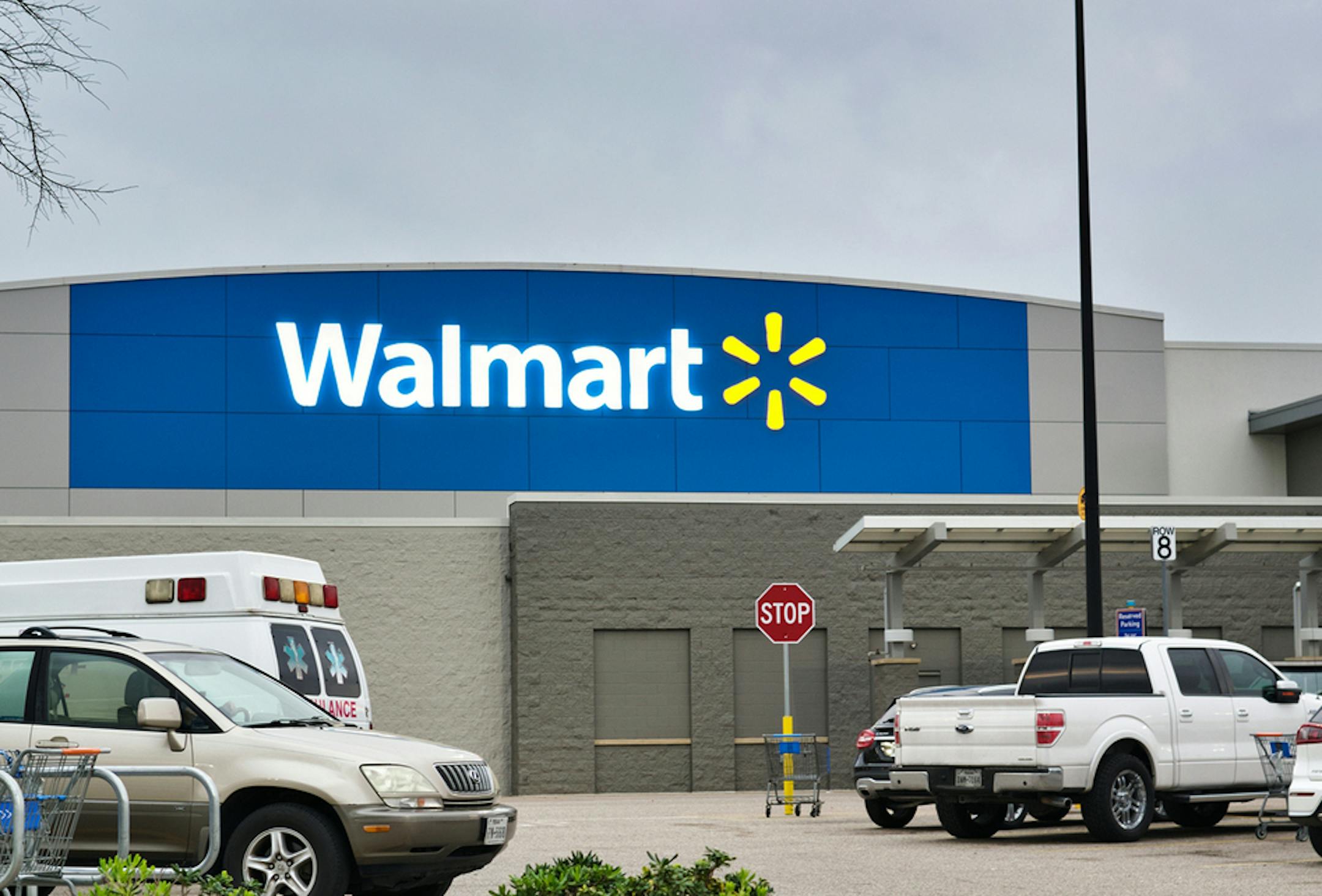
When Hurricane Katrina took aim at the Gulf Coast in 2005, Walmart executives gathered in a boardroom to discuss their corporate responsibility. They had stores, employees and customers in New Orleans.
Even before they knew the toll of the storm, they were debating how much money they should give to aid relief work. As the debate and devastation raged, the Federal Emergency Management Agency (FEMA) was slow to arrive on the scene. In its place, Walmart trucks carrying water, food and supplies delivered relief around the city.
The boardroom conversation had turned from giving money to doing what Walmart was best at: getting things to where they were needed, when they were needed.
Of course, we hesitate to cast Walmart as corporate hero in light of other events, along with local loyalties to Target. Still, as we rebuild and reimagine a more just and equitable Twin Cities in the wake of social unrest and amid a continuing pandemic, it is worth asking what we can learn about the role of big business in society from this possibly apocryphal story.
The good news for our community is that, to the credit of many of our people, individual citizens have rushed to provide urgent food and supplies to affected areas. Neighborhood associations and nonprofit organizations have assisted each other. Moreover, several large corporations have already pledged significant money, material goods and moral support. Some had already shared or accelerated production in response to spiking demand for pandemic essentials.
The potential bad news is insufficient coordination among these initiatives. Community needs are likely to continue long after the generosity tapers off. They are likely to cost more than the money that has thus far been raised. Memories are short.
However, this moment will endure as an opportunity to make systemic change. As the Walmart story suggests, corporate resources will go further if they are aligned with the needs of the communities that most need them. The contribution of business should include capabilities (e.g., goods, logistics, construction, etc.), not just money. Maximizing the value of the local rebuilding and rebounding effort for the common good requires public-private partnership to align the demands of the recovering markets with what corporations have to supply, including but not limited to money.
There are several reasons the rebuilding effort should not be left to conventional philanthropy or to the informal mechanisms and idiosyncratic efforts that have already sprouted up, laudable though they may be. One is what psychologists call moral licensing. Some corporations have pledged in the urgent short term a relatively arbitrary — though nevertheless substantial — sum of money to contribute to the effort. Nobody knows yet how much the community actually needs, only that it will likely be far more than what has been given so far. Will corporate giving fall short because money has already been given?


