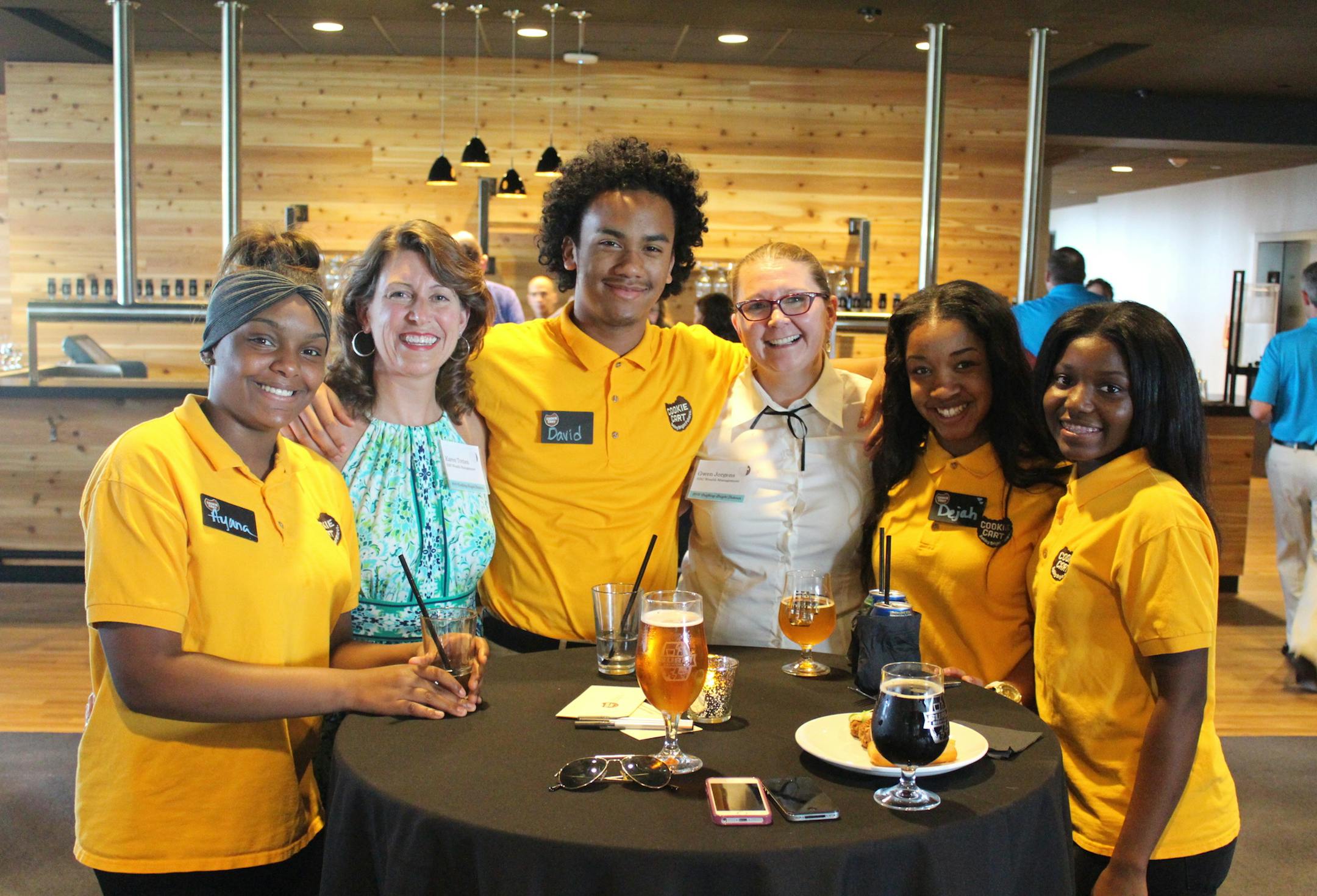
Cookie Cart, one of the original "social enterprises" before that term was coined by nonprofit entrepreneurs, was started on W. Broadway Avenue in north Minneapolis 30 years ago. Sister Jean Thuerauf, years earlier, had started baking cookies with north side kids in her kitchen as a break from homework. She expanded to a tiny bakery that has since been remodeled and expanded, including a modest coffee bar.
Last year, Cookie Cart, which employs up to 200 low-income Minneapolis teenagers, partnered with numerous local business customers and supporters who mentor, help with business basics, event sales and otherwise. They include General Mills, Luther Automotive, TCF Bank, Land O'Lakes and Navigate Forward. Cookie Cart expanded to St. Paul a couple of years ago through a pilot program at Johnson High School and has started on the $3 million-plus renovation of a Payne Avenue building into a bakery.
Cookie Cart, with earned and contributed revenue of $1.67 million last year, conducts its annual fundraiser at Surly Brewing Monday night. Organizers expect to raise about $30,000. More information and good cookies at cookiecart.org.
How Minneapolis plans to fund $225 million-plus in Vikings/Wolves construction
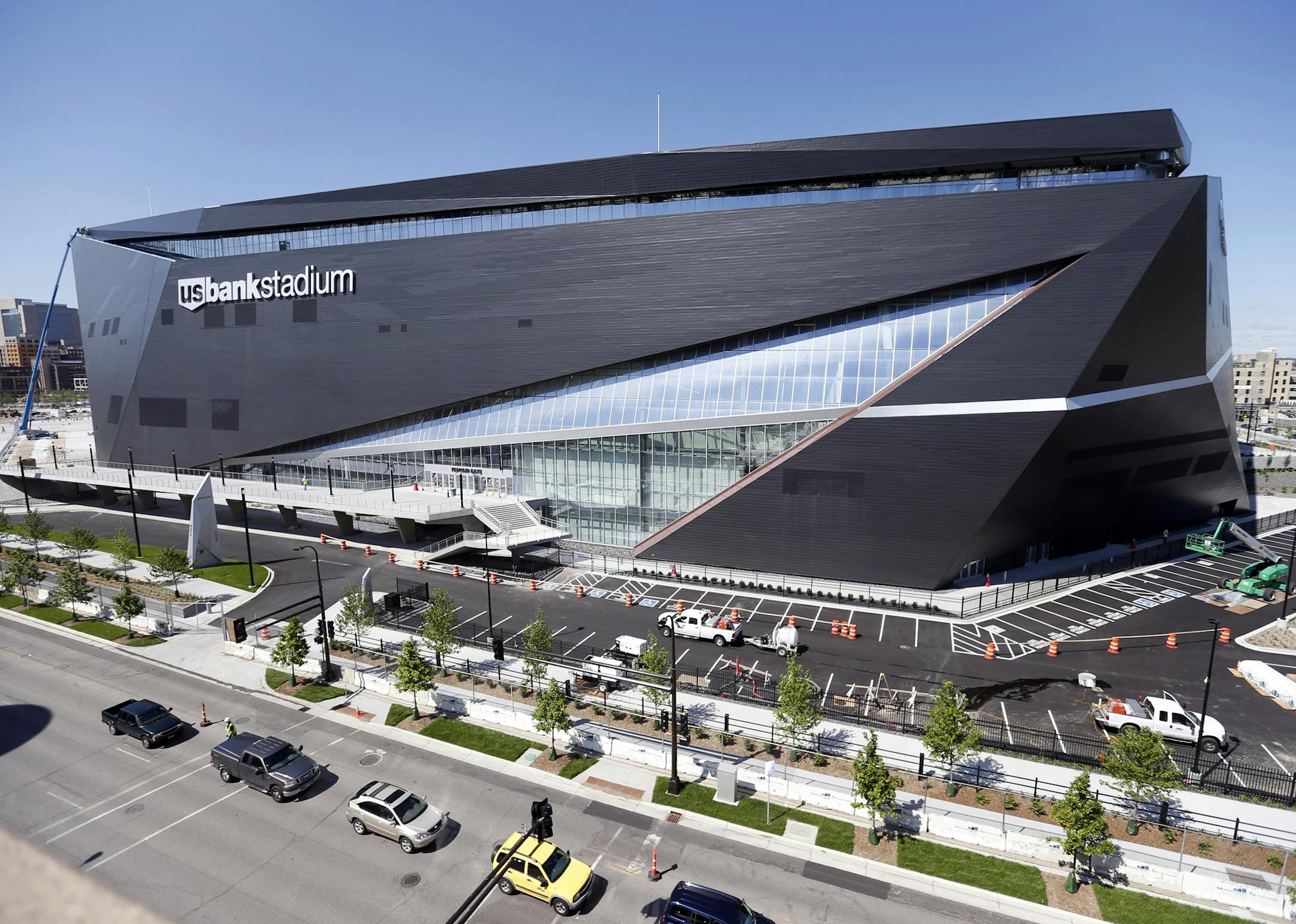
The $1.1 billion U.S. Bank Stadium, the most controversial-to-celebrated edifice in the now-booming east end of downtown, will cost the city about $150 million, plus about $7.5 million annually in operating expenses and capital improvements over 30 years. The city's $150 million share of construction, alone, will amount to about $275 million in principal and interest to pay off its share of the sate bonds.
The Vikings stadium is the most expensive sports venue in state history. State taxpayers are on the hook for $348 million before interest. The owners, the Wilf family, have pledged to pay $602 million, largely through advertising by U.S. Bank, seat taxes and otherwise. In pro sports, the public typically owns the arenas that depreciate over time. The teams appreciate in value as the new facilities are upgraded or built anew.
Under the city's stadium-finance deals with the state, Minneapolis will quit pumping several million annually in upkeep on the Target Center, freeing that money for other infrastructure projects. The city will pay $74 million of the $128.9 million cost of renovating Target Center. The Timberwolves will pay $49 million and the management company $5.9 million.
The city, which starts paying for U.S. Bank Stadium in 2020, will get most of the revenue to pay down Vikings-and-Target Center debt from Minneapolis downtown and citywide entertainment, lodging, ticket, liquor and restaurant taxes, and a half-cent sales tax, most of which is used now to pay off remaining debt on the convention center.
Mark Ruff, a veteran public finance official who took over as chief financial officer of Minneapolis this year, said in an interview last week that there should be "sufficient and then some" revenue from dedicated sources to cover the city's obligations for both buildings.