

How would you explain our two "major," political parties today?
They are a puzzlement.
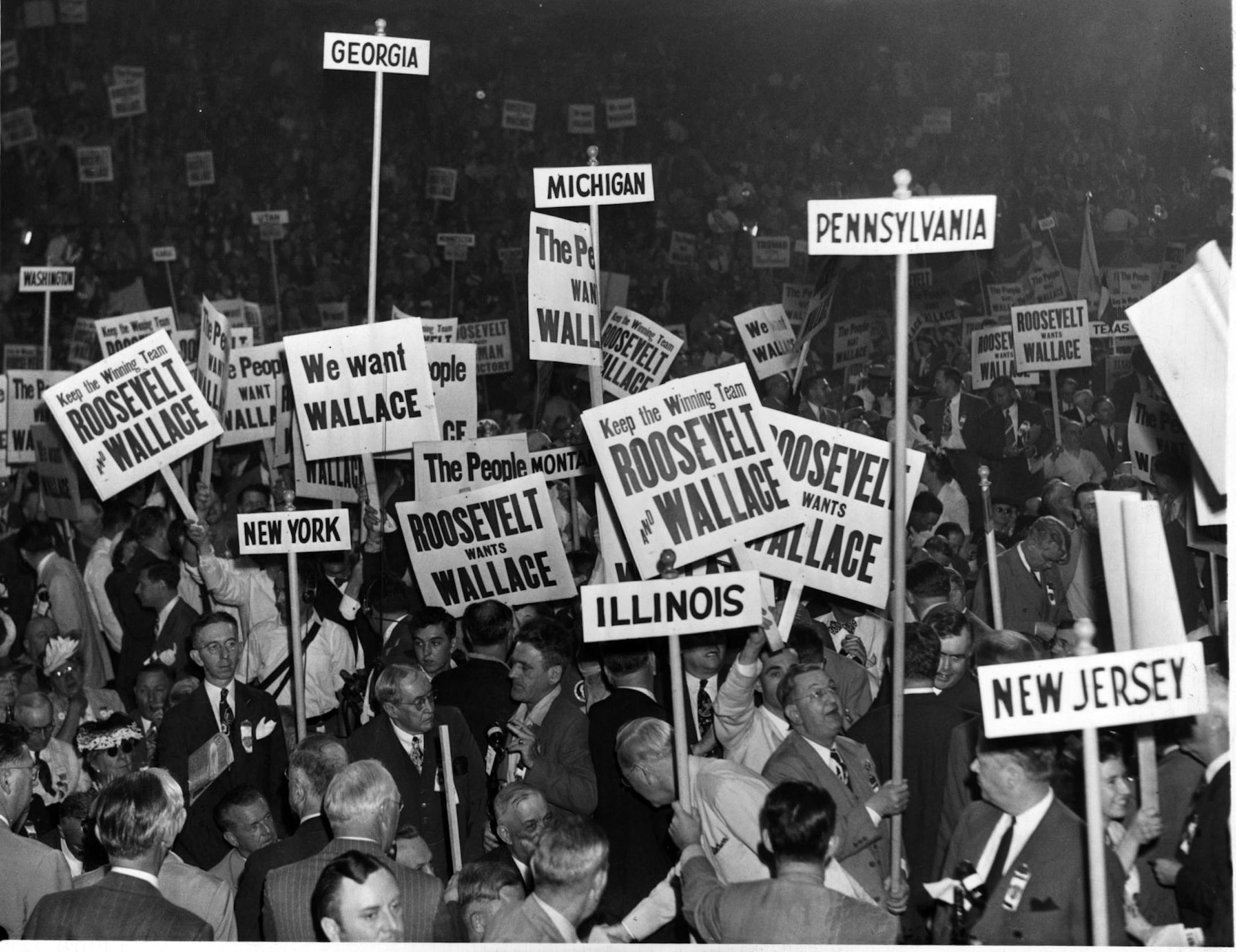
With the custom of the political convention dying a sudden death this summer, it is worth noting that conventions once chose candidates for the highest offices in the land, and produced what were called platforms — the stand of the party itself on the major issues of the day.
Just as conventions once mattered, platforms did, too.
During the Vietnam era, once antiwar forces lost the fight for an antiwar candidate at the 1968 Democratic convention, they turned their attention to the platform. Could the party, as a whole, be antiwar? Could the candidate be pushed a bit that way or this by his party?
Not today. Other than the people who wrote the platforms of the two parties for 2020, it is hard to imagine that anyone will actually read either one.
Parties, at the national level, now seem to be captives of the winning candidate, the primary system that produced that candidate, and that candidate's personal views and style.
Donald Trump was hardly your typical Republican when he captured his party four years ago. Indeed, on trade, his position was the opposite of what had been one the GOP's core tenets for decades.


