

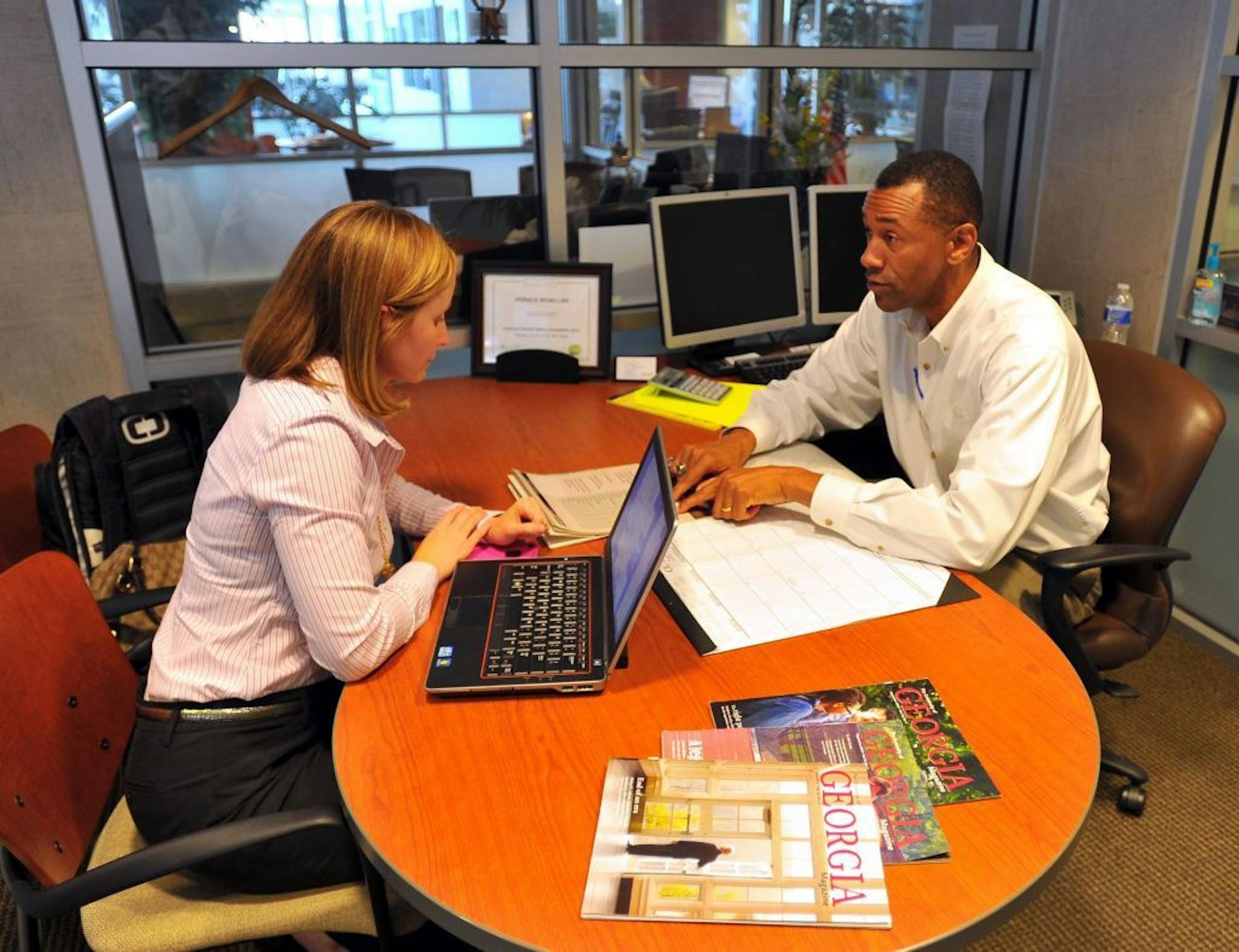
When Jennifer Williams walked into the Nalley Lexus dealership in Cobb County, Ga., recently, all she needed was a salesperson to give her a good deal on her trade-in, the keys to her new RX 350 and a wave goodbye.
Thanks to the Internet, Williams had done research ahead of time and already knew what cars were available on the lot, their features, price and even ownership and mileage records. She also pre-investigated available interest rates, her credit score and, most important, what Nalley's competitors were offering.
"I just needed to know what you're going to give me for my trade, talk interest rates and see if they could take a little bit off the car," she said.
Williams is the epitome of the new car shopper, industry experts say. Unlike a decade ago, today's car buyers walk in the door with almost as much knowledge about what's on a lot as the sales staff. And they don't want to spend hours negotiating or being wooed into costly upgrades.
That has made it more difficult for dealerships to make the same profits of yesteryear and has pushed some to change how they compensate employees. Lexus South Atlanta, for instance, switched from paying its staff a traditional commission to an hourly salary plus incentives.
"The opportunity to negotiate has almost been eliminated," said Sid Barron, general manager at Lexus South, emphasizing that this is especially true among young car buyers who don't even understand the concept of negotiating. "You have to build value."
But the industry is making up the lost revenue through stronger volume — car sales have surged since 2009 — and by capturing more of the service business. Today's cars have become so technologically complicated that independent mechanics are being cut out because they either lack the skills to repair the vehicles or can't afford the necessary diagnostic gear, said Rick Nelson, an analyst for research firm Stephens.
"Dealers are also getting more aggressive on pricing, such as oil changes," Nelson said. "They also throw in loaner cars of the quality that customers expect."



