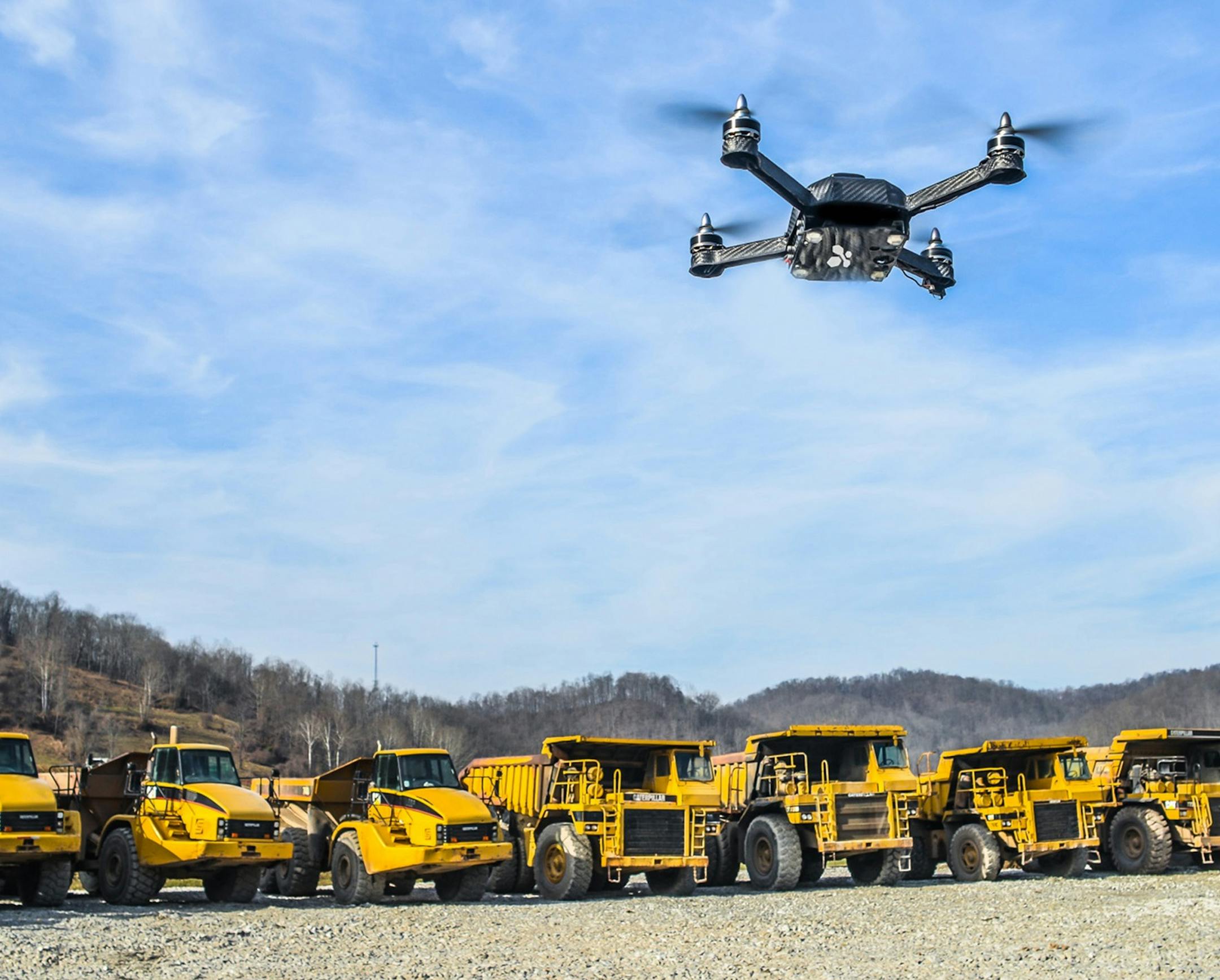
Low-cost hobby drones are making the power of flight accessible to anyone with a few hundred bucks to spare. But a combination of technology and safety laws could take the controls out of users' hands.
When a DJI Phantom 2 quadcopter drone crashed at the White House in late January, Hong Kong-based DJI responded quickly with the release of a software update that added a 15.5-mile no-fly zone around Washington, preventing its Phantom 2 products from taking off in the area. The company already had no-fly zones that prohibit flights within 8 miles of thousands of airports.
(The update wasn't as effective as the company hoped. DJI suspended downloads because of unspecified problems reported by users.)
Other companies, too, are trying to anticipate problems, according to Colin Snow, founder and chief executive of the Redwood City, Calif., drone industry research company Drone Analyst.
Many companies already have created software to automate the process of checking for Transportation Security Administration no-fly updates, Snow said, and using GPS and other technologies to keep drones flying legally has become an industry norm.
State College, Pa., startup Ares Drones believes its app offers an option that maximizes safety by minimizing the chance for human error.
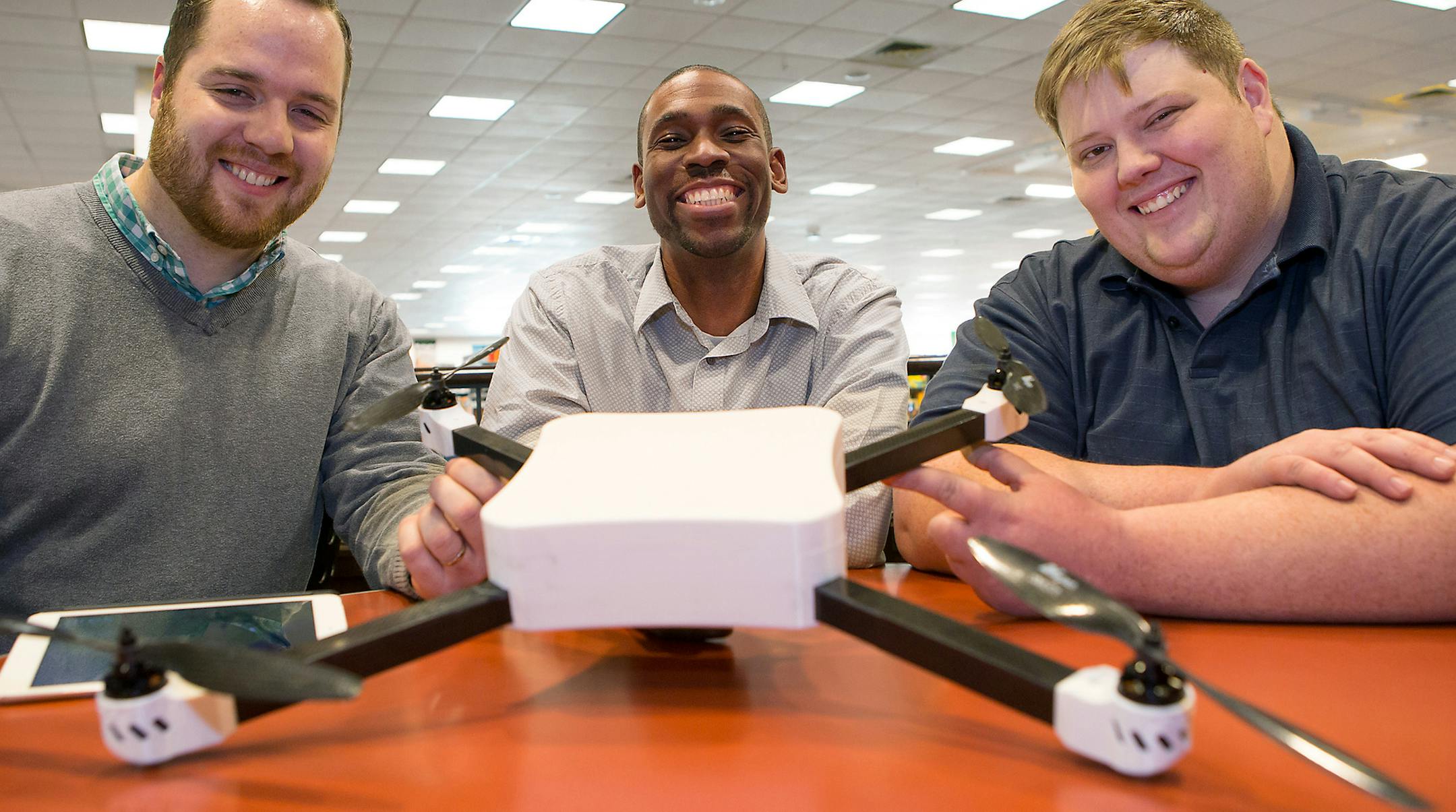
Founded in September by Ben Brautigam, Sherwyn Saul and Justin Miller — who are IT managers at Penn State University — the company has developed software that prohibits drones from entering no-fly zones and stops elevation of the devices short of the 400-foot height ceiling imposed by regulators.
Using a touch-screen interface designed with Apple Maps, the Ares App allows users to trace a designated flight plan directly onto the map.