

Minnesota businesses are global leaders on sustainability, innovation, clean energy and clean water. They understand that finding ways to reduce their carbon footprint throughout their supply chains and operations, to address natural resource scarcity and to advance the next frontier of corporate sustainability is critical to their competitiveness. These investments are paying off in numerous ways.
At the Minnesota Sustainable Growth Coalition, we are a business-led partnership of nearly 30 companies and organizations making the business case for corporate sustainability. Target, 3M, Best Buy, Mortenson, Andersen Windows, General Mills, Ecolab and Aveda are all counted among our members, and to advance corporate-sustainability efforts, our coalition focuses on collaboration. With significant operations locally, regionally and around the world, finding ways to make meaningful investments that move us toward a more circular economy takes sharing strategies, tackling systemic challenges, innovating and leveraging opportunities across sectors.
The Coalition is looking at sustainability from many angles across industries, and given the corporate legacy of leadership, we also want to ensure we have an eye on making changes that positively affect the communities we call home. It's why the Coalition has put together a Corporate Guide to Sustainable Landscaping, a comprehensive guide that uses examples of sustainability initiatives and highlights the business case and how-to guidance for other businesses to make changes that add brand value, improve employee wellness and create more environmentally friendly corporate campuses.
Undervalued areas on corporate campuses, like turf grass and oversized parking lots, are areas that require maintenance and resources with no significant environmental or social benefits. Our members are capitalizing on company assets and potentially undervalued spaces in ways that pay off for our communities, their companies and the environment.
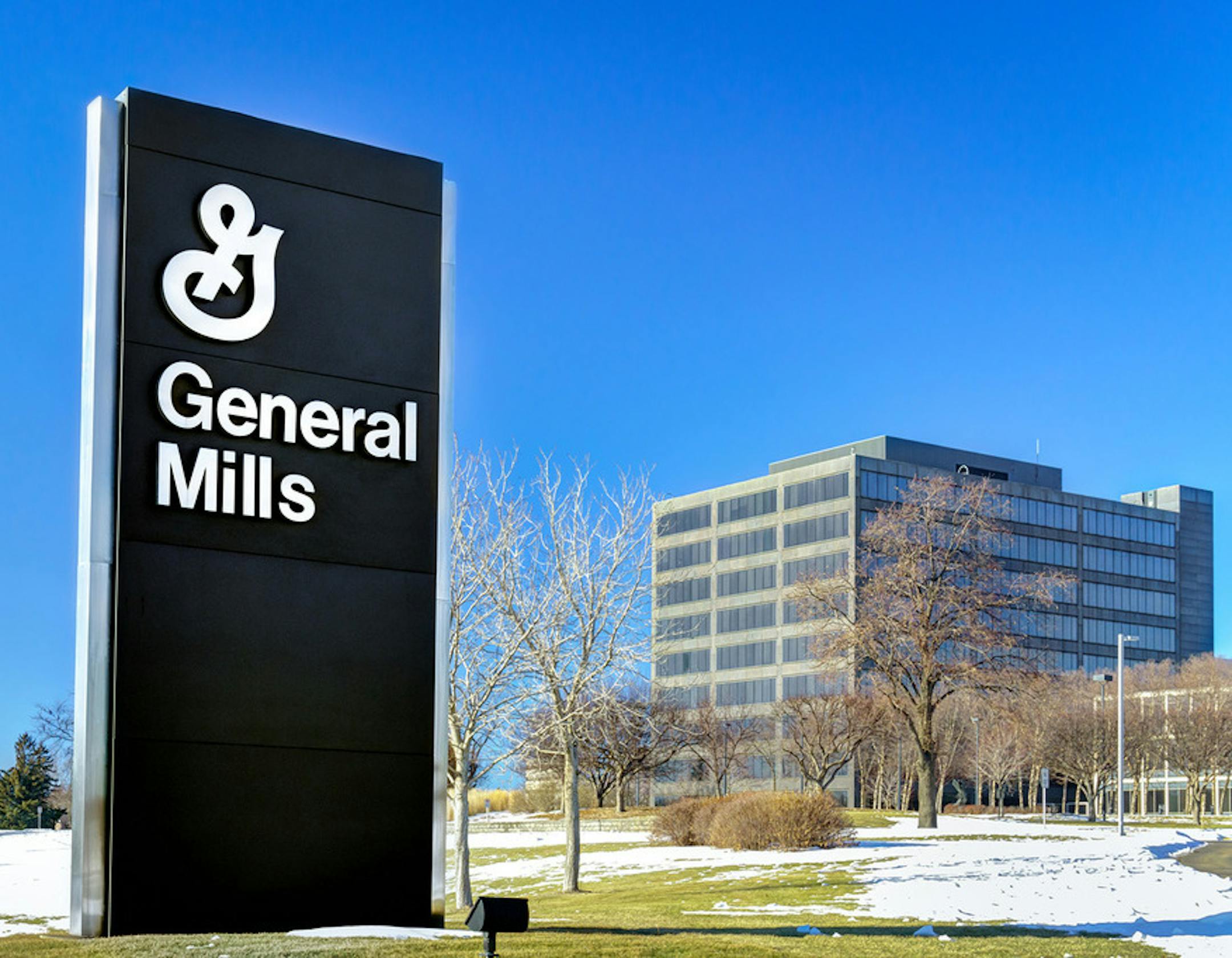
General Mills in Golden Valley, for example, has more than 9,000 square feet of green roofs in Minnesota, which help reduce heating and cooling costs. Additionally, General Mills is also turning part of its land from traditional turf to native prairie grass. Through planting natural habitat, it is promoting biodiversity, helping prevent soil erosion and improving water quality across its campus. With lower maintenance and watering needs, changes to turf grass can pay for itself quickly — the maintenance costs of natural and prairie plantings can be as low as one-tenth the cost of maintaining a traditional lawn.
Native landscaping with stormwater retention practices like rain gardens, bio-retention areas and swales can also provide more significant monetary benefits such as the reduction or elimination of stormwater fees. Plus, unlike traditional turf lawns, native vegetation, pollinator habitats, and tree and shrub canopies allow for an increased mix of wildlife.
Embracing biodiversity at its Cottage Grove plant, 3M restored savanna oak, helping protect a connected habitat along the Mississippi, part of a corridor used by millions of birds. And on its main campus, 3M has focused on both appearance and the effect of campus sustainability changes. From driving electric carts, converting to battery-powered landscaping tools, composting plant material and instituting a tree-replacement program, to planting lush pollinator-friendly habitats and maintaining multiple on-site bee colonies, it has embedded sustainability into its campus landscape.
As we share ideas and look at innovation and best practices in sustainability, many organizations, municipalities and companies are turning to the Coalition and its members for guidance on how they can implement meaningful sustainability projects. Coalition member HGA helped implement sustainability practices to Orchestra Hall in downtown Minneapolis, and the venue is now the first performing arts center in the United States to be awarded LEED O+M v4 Silver Certification.



