

Sixth in an occasional series on the future of housing
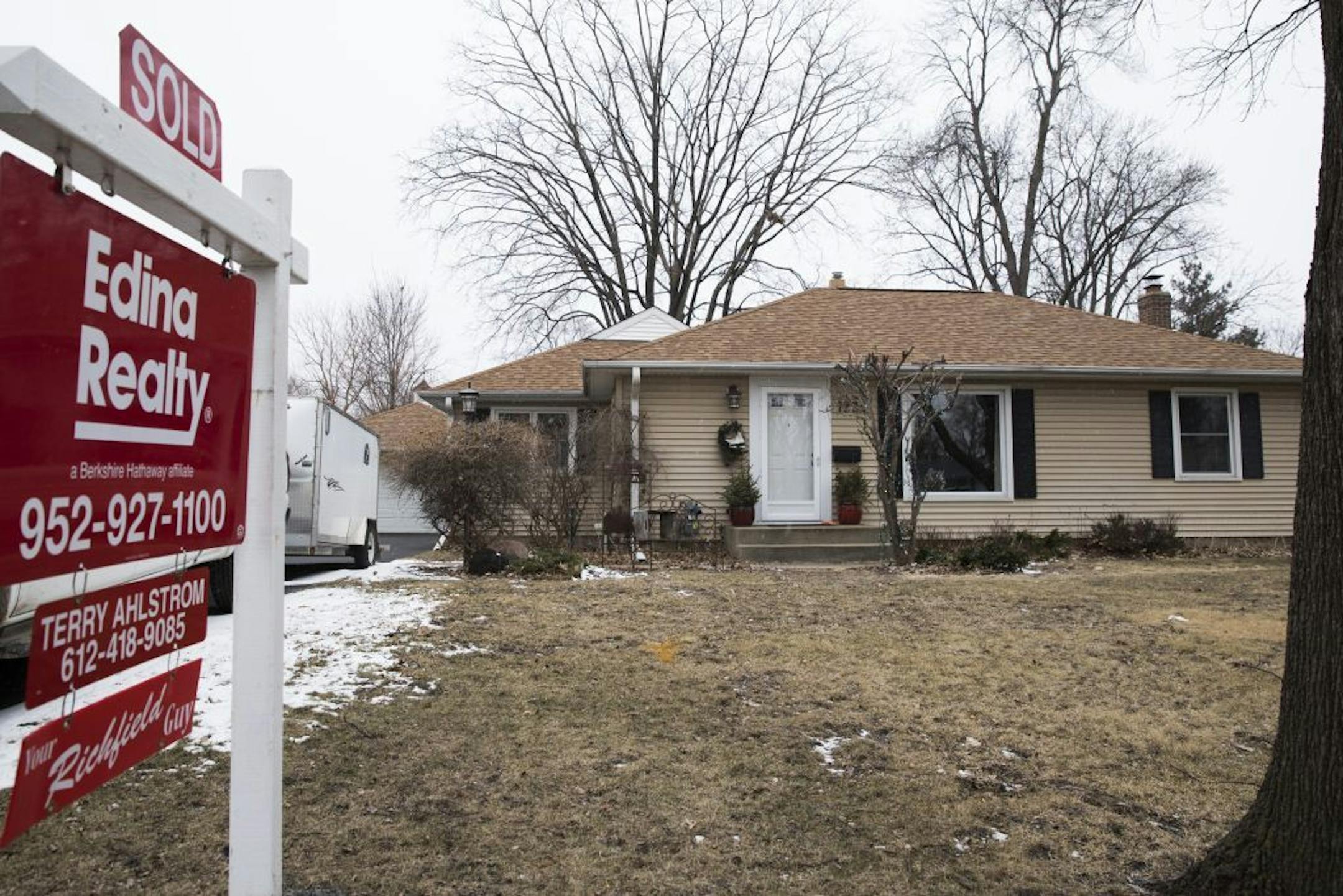
Searching for a family house for less than $300,000 in and around the big Macalester-Groveland neighborhood in St. Paul turned up just three options on Edina Realty's website. The biggest was a three-bedroom place of about 1,590 square feet.
Broaden the search, though, and options popped up that included a much-newer, four-bedroom house of nearly 2,300 square feet. It has a three-car garage and sits in a neighborhood so quiet that it's clear, just from the placement of a basketball hoop, that kids happily play all day in the street.
One problem is that the bigger house sits 33 miles away from downtown Minneapolis, in the south-suburban community of Elko New Market. And the only way to get to work from there is to drive a car at least part of the way.
Home buyers have long known about this trade-off between cheaper houses and longer commutes, sometimes called the drive-until-you-qualify strategy. Buying cheaply enough to get approved for a mortgage loan means looking in neighborhoods that are probably much farther out from the city center. But commuting with a car isn't cheap.
Never mind granite countertops and heated floors in the bathroom, the real "dream house" is one that's both affordable and an easy commute from work. The fact that these houses are so hard for many people to find is a good way to frame our challenge as a region. We don't have a housing problem; we have a housing and transportation problem.
Adding a lot more housing closer to jobs and entertainment venues in the cities and inner-ring suburbs seems to make sense, but that's not necessarily thought of as a swell idea by the people who already live there.
In reading through news accounts of battles over density in Edina, St. Paul and elsewhere, a big issue seems to be that neighbors dread a miserable car-traffic snarl as a lot more people arrive home from work in their cars at the same time.



