

Nine years ago, Taliban insurgents attacked me and my squad during a routine mission in Afghanistan's Ghazni province. Those insurgents would have killed us had it not been for Janis Shenwary, our Afghan translator, who shot and killed two of them.
I approached Janis the next morning in our base's chow hall and asked him why he saved us. His answer: "You are a guest in my country. It is an honor to protect those who are fighting for us." That day we became brothers, and I promised to one day bring him to America.
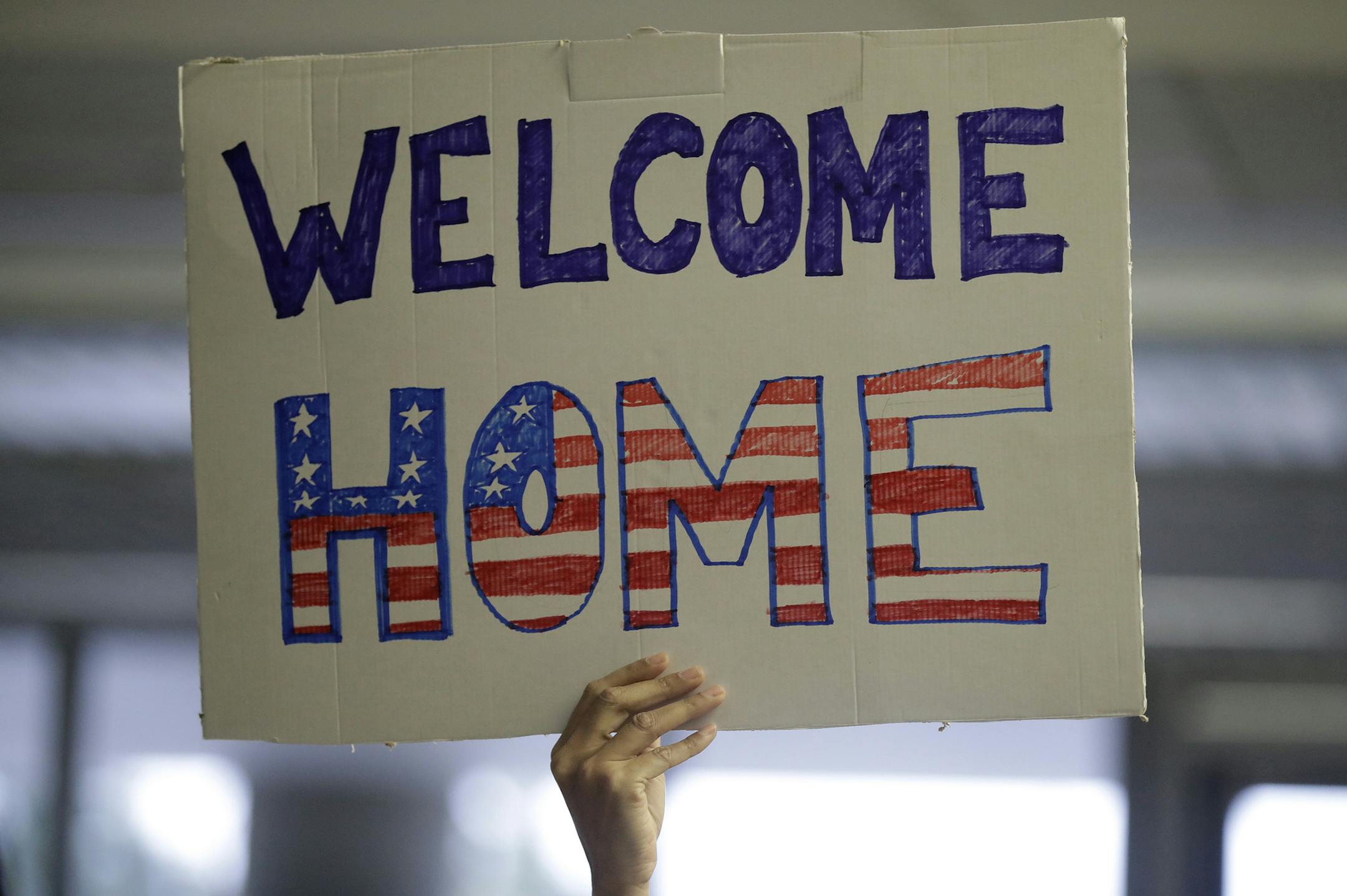
Janis finally arrived in the U.S. in 2013 on a special immigrant visa after four years of vetting. Now, the two of us are on a mission to fulfill America's promise to other wartime allies looking to come to the U.S..
But that's not enough. We need to properly honor the service of those who put their lives at risk standing shoulder to shoulder with the American military.
First, Congress should expand the special immigrant visa program — a valuable strategic tool that protects our allied men and women overseas. Unfathomably, the visa program is in critical condition. There are more than 14,000 such visa applications from Afghans pending at the State Department, but Congress has agreed to add only 2,500 visas to the 1,500 allowed for this year under the National Defense Authorization Act.
Are we really willing to tell those who fought with our country that it's OK with us if they die at the hands of the same enemies we asked them to help fight? Is that what the U.S. now stands for? Or will we have the courage and conviction to live up to our values?
Opponents of the special immigrant visa program claim that Afghan and Iraqi combat translators and their families rely heavily on state and federal welfare programs. But spend any time with these immigrants, and you'll realize that characterization is unfair. These men and women give much more back to their new communities than they ever take in and have earned their place in our communities through their profound sacrifice and service.
Second, we need to make sure that once immigrants get here, they have opportunities to thrive. Because they are not legally U.S. "veterans" — and therefore not federally protected — you will find them working minimum-wage jobs.


