

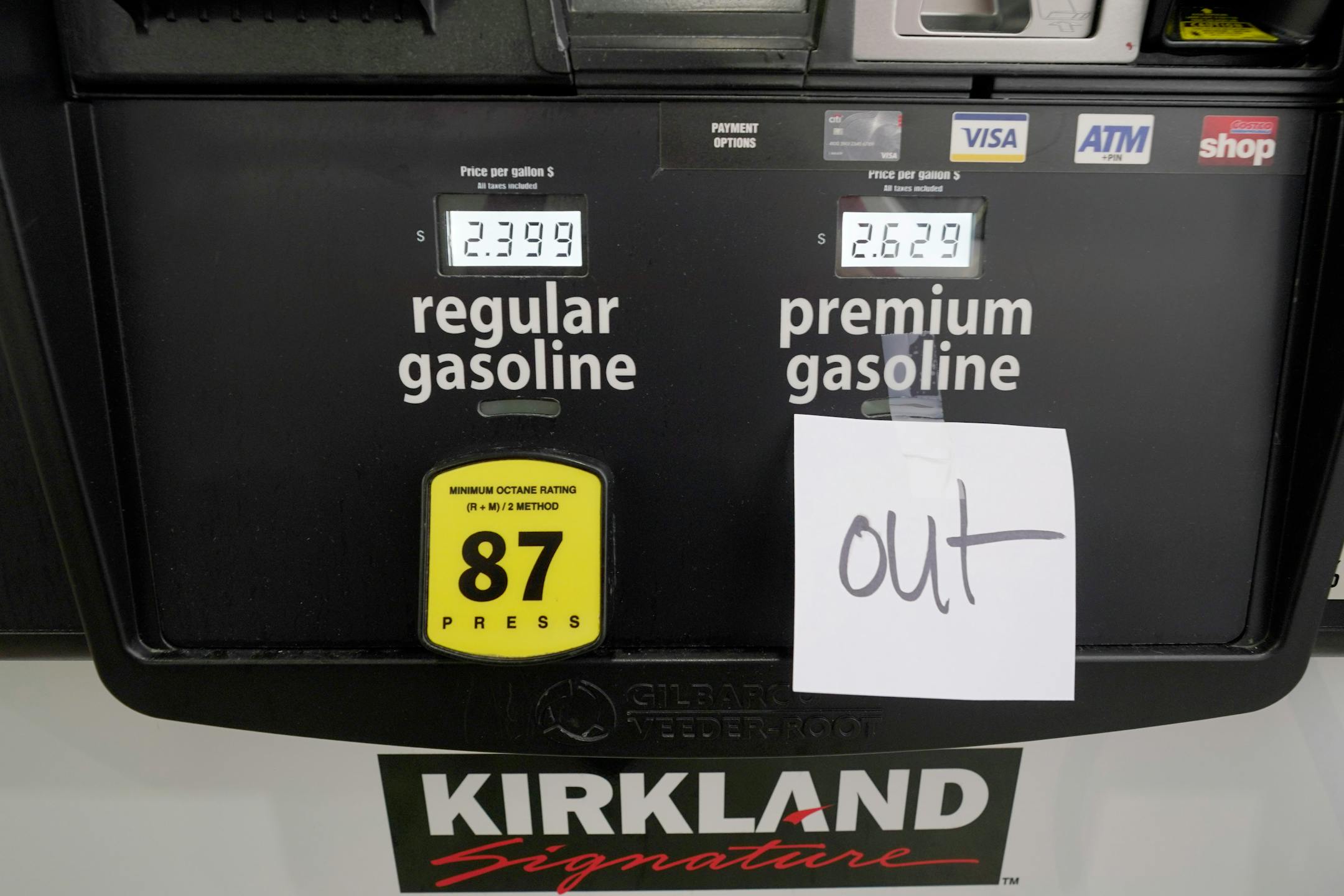
Colonial Pipeline paid the ransom.
And after forking over $5 million to hackers who forced it to shut down an important fuel conduit, which spurred a bonkers run on local gas stations, the burglars gave Colonial a decryption key meant to sanitize its computer networks. But the tool didn't work very well. Bad trade.
Lesson: Don't pay the ransom.
Law enforcement authorities and other experts have been advising as much for years. Professional hostage negotiators regularly try to observe that maxim, too (though specialists who negotiate with terrorists have unusually complex dynamics to consider, and paying ransom may be the safest strategy for them).
When lives aren't directly at stake, the guidelines seem to be clear. Here's the Federal Bureau of Investigation's advice:
"The FBI does not encourage paying a ransom to criminal actors. Paying a ransom may embolden adversaries to target additional organizations, encourage other criminal actors to engage in the distribution of ransomware, and/or fund illegal activities. Paying the ransom also does not guarantee that a victim's files will be recovered."
There's also a boomerang effect that arises when companies give bags of money to extortionists deploying ransomware. It seems to convince thieves that a target is an easy mark, and they will most likely circle back later and thump the same company or institution again. A particular willingness among U.S. companies to pay, combined with a porous and lackadaisical approach to cybersecurity in the private sector in America, may explain why the U.S. appears to draw a disproportionate amount of ransomware attacks in the developed world.
Hackers also may be shaking down U.S. companies more often simply because they're following the basic wisdom attributed to a bank robber, Willie Sutton: "Because that's where the money is."


