

Opinion editor’s note: Star Tribune Opinion publishes a mix of national and local commentaries online and in print each day. To contribute, click here.
•••
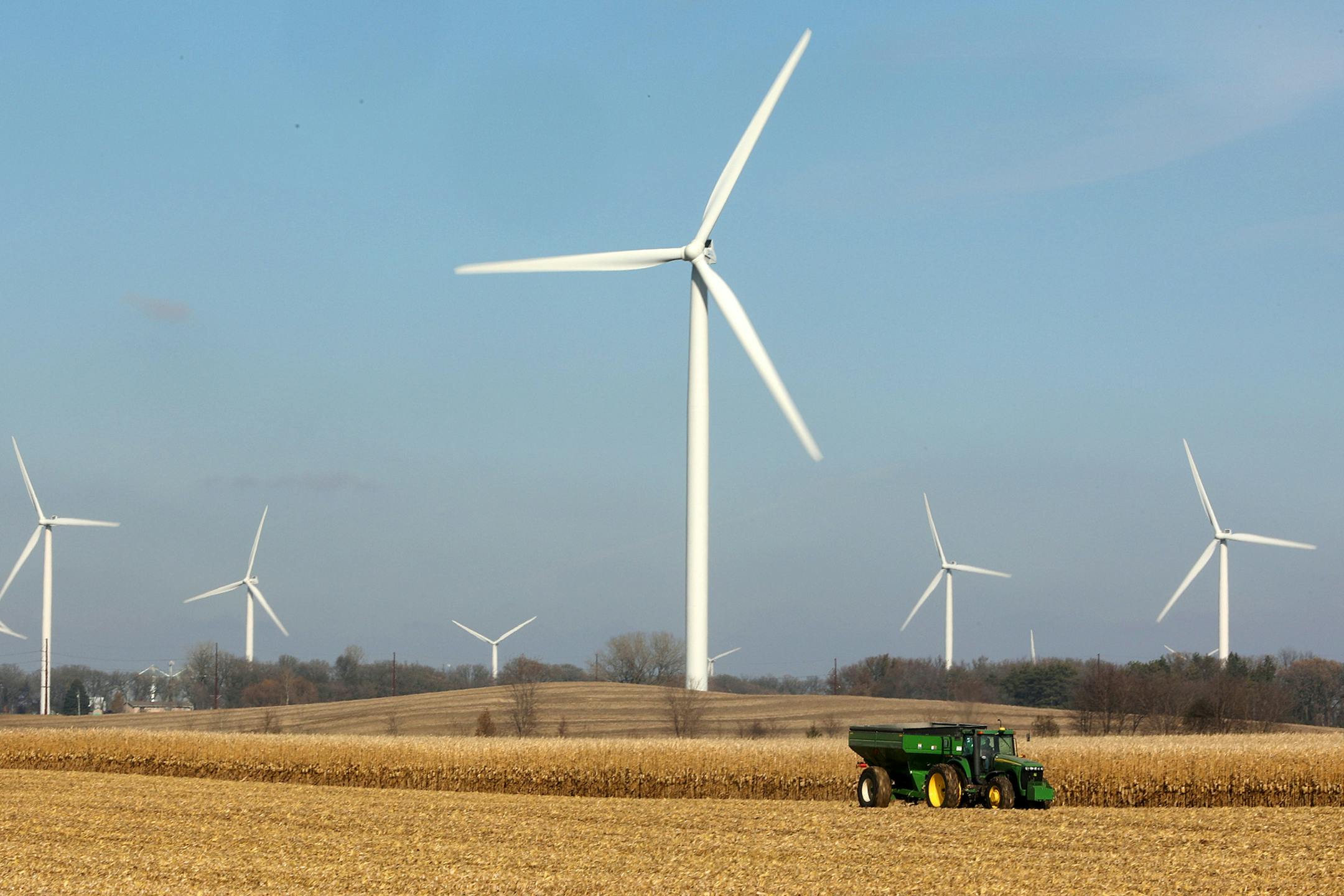
Last year, Gov. Tim Walz signed historic legislation that put Minnesota on a path to achieve 100% carbon-free energy by 2040. But for the clean-energy businesses, utilities and union workforce that builds and operates the infrastructure that generates, stores and transmits power across Minnesota, passage of the law was just the first step.
While the Legislature has required utilities to deliver affordable, reliable and clean power by 2040, that promise will not be realized until permits are in hand and steel is in the ground for thousands of megawatts of clean power supply and hundreds of miles of transmission lines. And, to accomplish that, we need comprehensive reform to cut permitting times, slice through red tape and speed our transition to a clean energy future.
Why is this needed?
Today, approximately 55% of Minnesota’s electricity comes from carbon-free sources, primarily from wind, solar and nuclear, according to the Minnesota Energy Factsheet, published by Clean Energy Economy Minnesota and the Business Council for Sustainable Energy with data input from BloombergNEF and the Minnesota Department of Commerce. In order to reach the 100% law, nearly all the remaining growth in electric generation will need to come from zero- or low-carbon resources, primarily wind and solar generation.
Here’s the hard part: According to the new report “Powering Progress,” published by North Star Policy Action, for Minnesota to hit its target the pace of growth in solar and wind energy generation needs to double, and the state must identify ways to speed up its transition to carbon-free electricity sources. The North Star report complements a recent study from the Minnesota Chamber of Commerce, which highlights how streamlining our environmental permitting process is an economic imperative to meet our state’s future needs.
What’s standing in the way?


