Confirmation bias is the central conundrum in "fake news." People with a lot of followers can say just about anything, and if they hit on a general bias in people's desires, they're believed. The one true desire unifying us all right now is for this coronavirus madness to end.
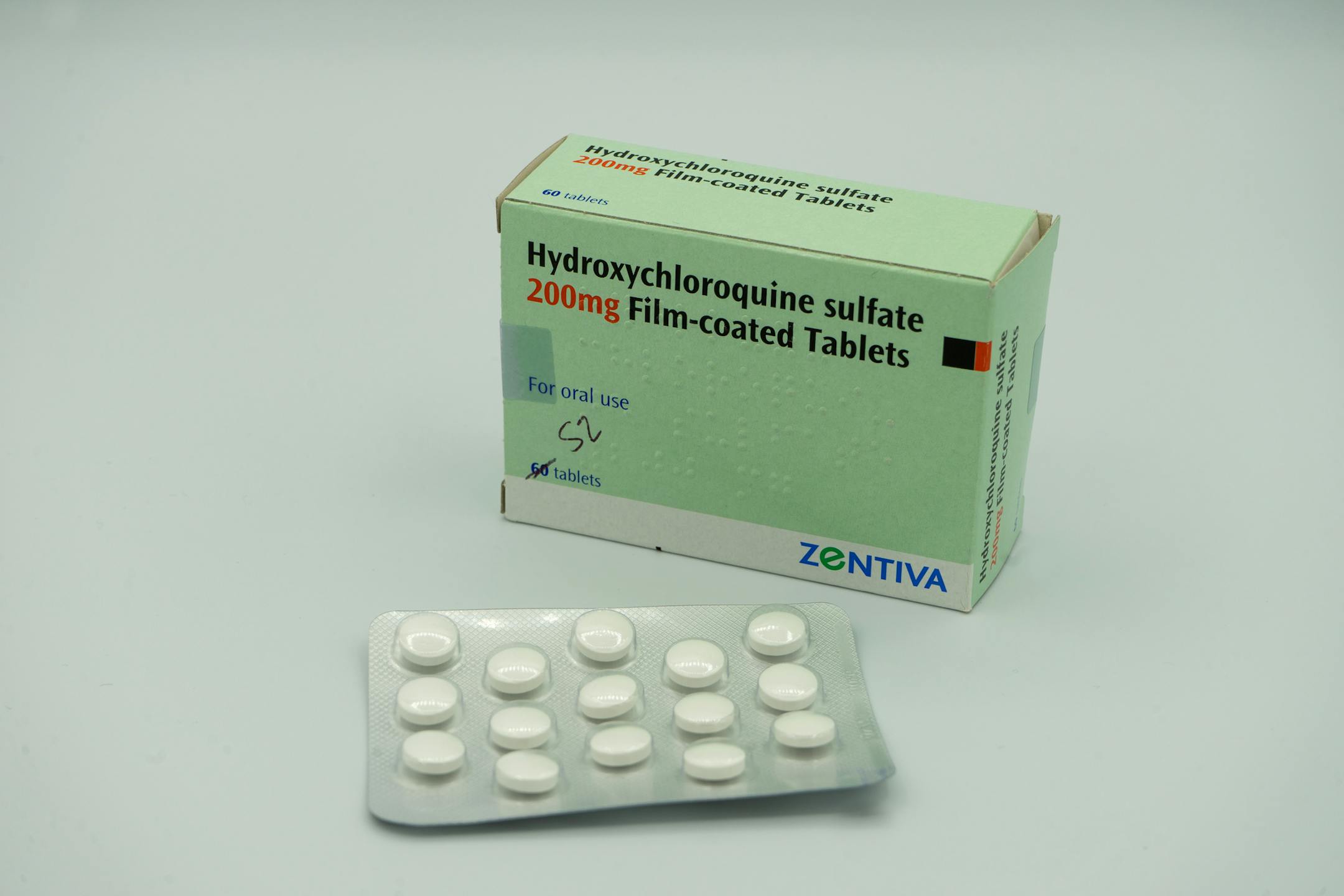
So when a lawyer and a blockchain investor recently mused on Twitter that the anti-malaria drug chloroquine was a cure for COVID-19, the disease caused by the novel coronavirus, they hit the jackpot in confirmation bias: They made the right people believe that a magic-bullet drug will rescue us. Elon Musk tweeted about it. The lawyer was invited on Fox News to talk about it. Then our Fox News-watching president amplified it in a news briefing and on Twitter, reaching millions and all major news outlets.
And now, as public health experts try to keep all 330 million Americans focused on social distancing, hand-washing and local health authorities' region-specific instructions (so important as the infection curves unfold state by state), they also have to mitigate the damage done by false hope in a magic-bullet medication.
Already, Nigeria has multiple reports of poisonings of people self-medicating with chloroquine against COVID-19. One man died Monday in Arizona after he and his wife ingested a chemical made of chloroquine phosphate — used to kill parasites on their pet fish — thinking they were protecting themselves from COVID-19. His wife survived after vomiting up the chemical.
Hope in this 75-year-old drug started after recent French and Chinese studies were released, claiming that chloroquine could stop the coronavirus from becoming deadly. The director of the National Institute of Allergy and Infectious Diseases, Anthony S. Fauci, warned that these studies were small, ad hoc and anecdotal, not randomized and double blind (necessary to avoid biased results) — which means researchers have no reliable evidence that the treatment works.
We need to listen to Fauci, wait for the evidence and be prepared to accept the results.
I wrote about the false promise of chloroquine in a book about malaria and World War II. I retrieved from the National Archives the toxicity trials run on hundreds of prisoners and enlisted servicemen. As war raged overseas, federal scientists in the Stateville prison near Chicago dosed inmate "volunteers" with 0.3 grams of chloroquine a day — half of what the French used in their COVID-19 study.
These wartime researchers were trying to figure out if chloroquine (code-named SN-7618) could be used to stop malaria from decimating Allied troops. The inmates' side effects were alarming: headaches, vomiting, itchy hives and even bleached-out hair (which researchers had already seen in rat studies). So the dose was cut way back to 0.3 grams once a week to make it tolerable — one-fourteenth of what the French say is needed to be active against the coronavirus.