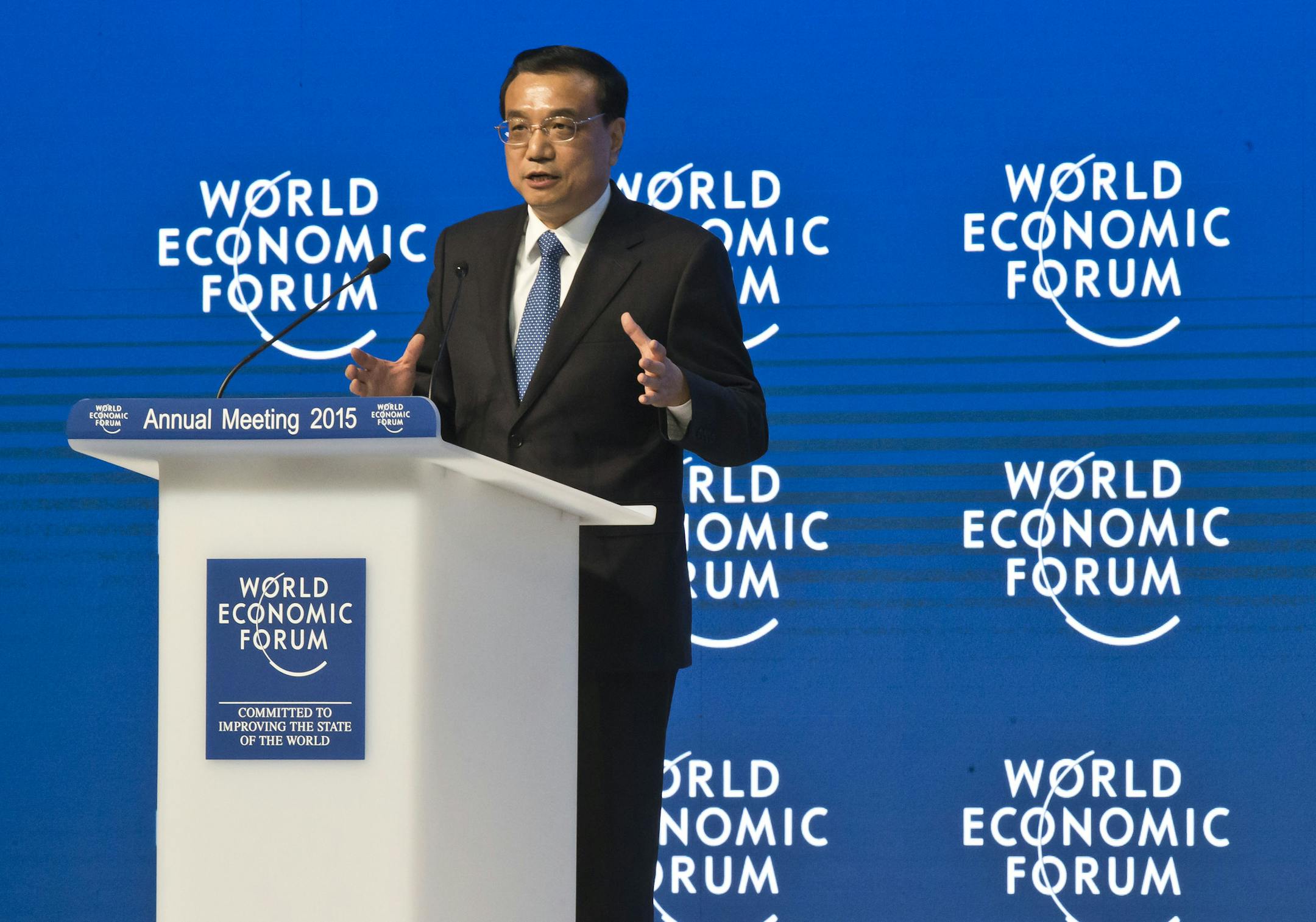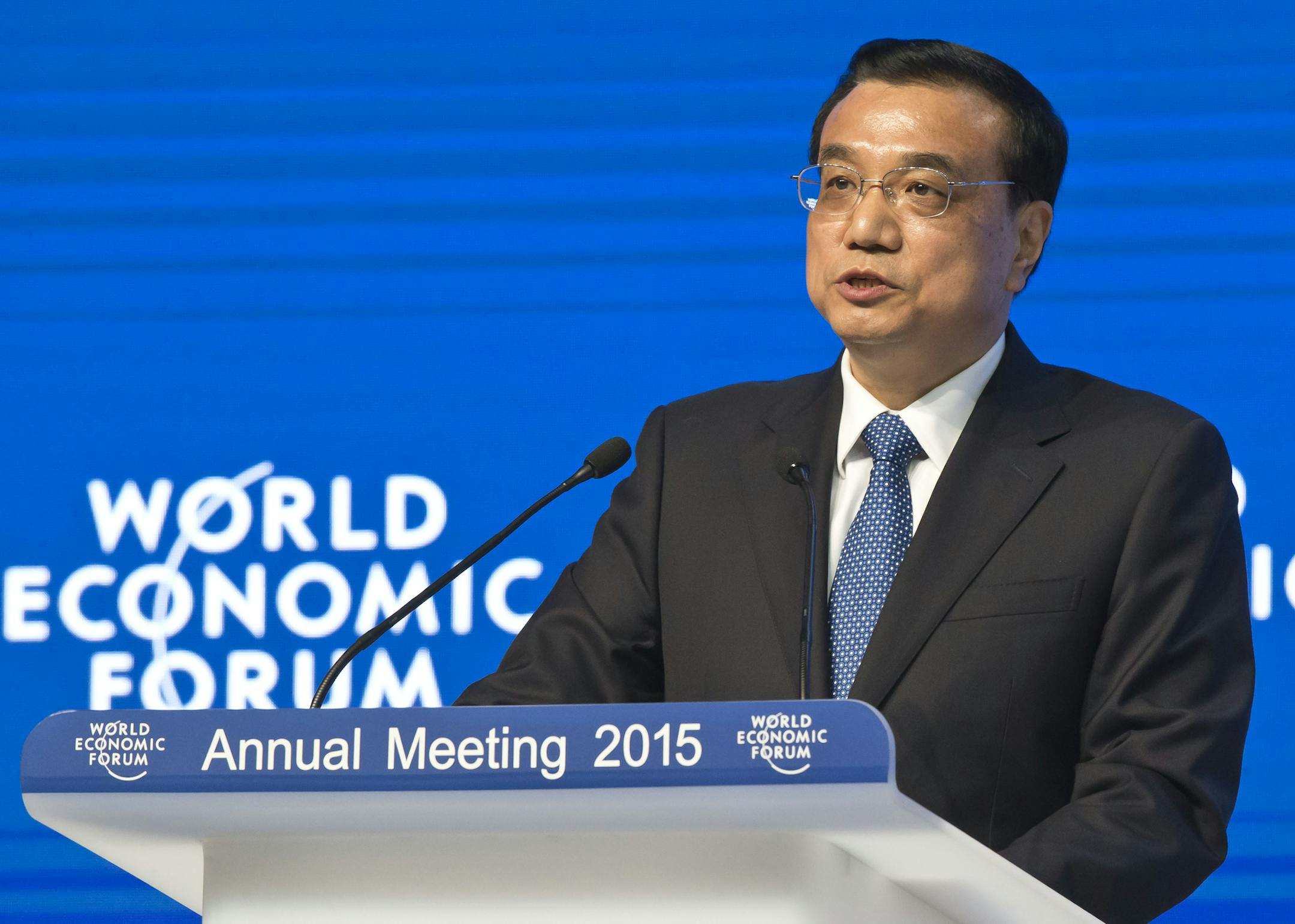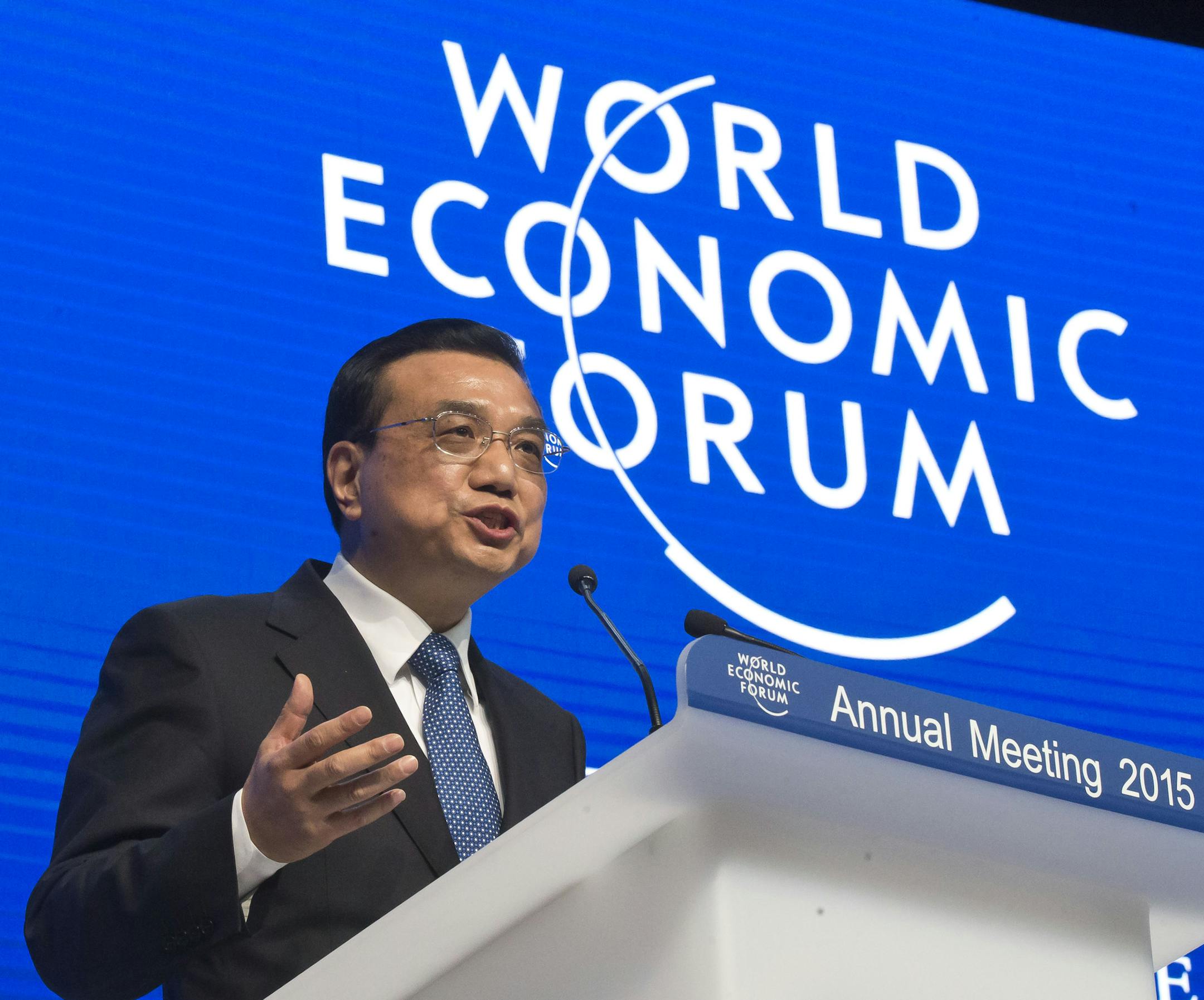
Li Keqiang, China's prime minister, made a big promise to the world's business leaders at the World Economic Forum's annual gathering in Switzerland in January 2015. It was that China would introduce a new legal regime for foreign investment that would "treat Chinese and foreign companies as equals."
Its government has duly unveiled a set of revisions to its foreign-investment laws that came into force recently. The standing committee of the National People's Congress adopted the laws last month and bureaucrats drafted detailed rules.
The revisions, and the extent to which they fulfill Li's grand pledge, are an important indicator of how serious the government is about pursuing other initiatives to liberalize rules on foreign investment.
China is currently negotiating a bilateral investment treaty (BIT) with the United States.
U.S. businesses hope it will lead to greater market access. A BIT with Europe is scheduled to follow.
How, then, do the changes measure up? On the face of it, they involve a welcome shift away from the current regime, which obliges foreign firms to win numerous approvals and is both burdensome and often influenced by domestic politics.
The new framework pursues efficiency. Instead of demanding approvals, it seeks to usher in a simpler, registration-based system. Whereas the current approach is based on a long list of strategic industries in which foreign investment is either restricted or off-limits, the overhaul promises to replace it with a relatively short "negative list" of forbidden investments in areas such as defense and media.
According to some, such as Hogan Lovells, a law firm, the changes herald a sea change in China's foreign direct investment regime.