Hormel Foods Corp. wants to improve its position as a food marketer and reduce the effects volatile hog markets have on it, executives said Thursday as they provided the first explanation for selling its giant Nebraska hog slaughterhouse.
The discussion came as Austin, Minn.-based Hormel reported sales growth that matched analysts' expectations for its latest financial period but lowered their short-term outlook due to tariffs imposed by China on U.S. pork exports.
Those tariffs, high freight costs and low hog prices cut into Hormel's operating profit during the May-to-July period, the third quarter of its fiscal year. A 15 percent jump in net profit came entirely because of the federal tax cut on businesses.
Hormel's shares fell 3 percent on the news.
Jim Snee, the company's chief executive, told analysts and investors that executives believe the company can get pretax profit growing in the next fiscal year, which begins in November.
"There's certainly some headwinds out there and unknowns in terms of the tariffs and we're going to battle through that," Snee said. "But, yeah, we do think we can grow pretax earnings in 2019."
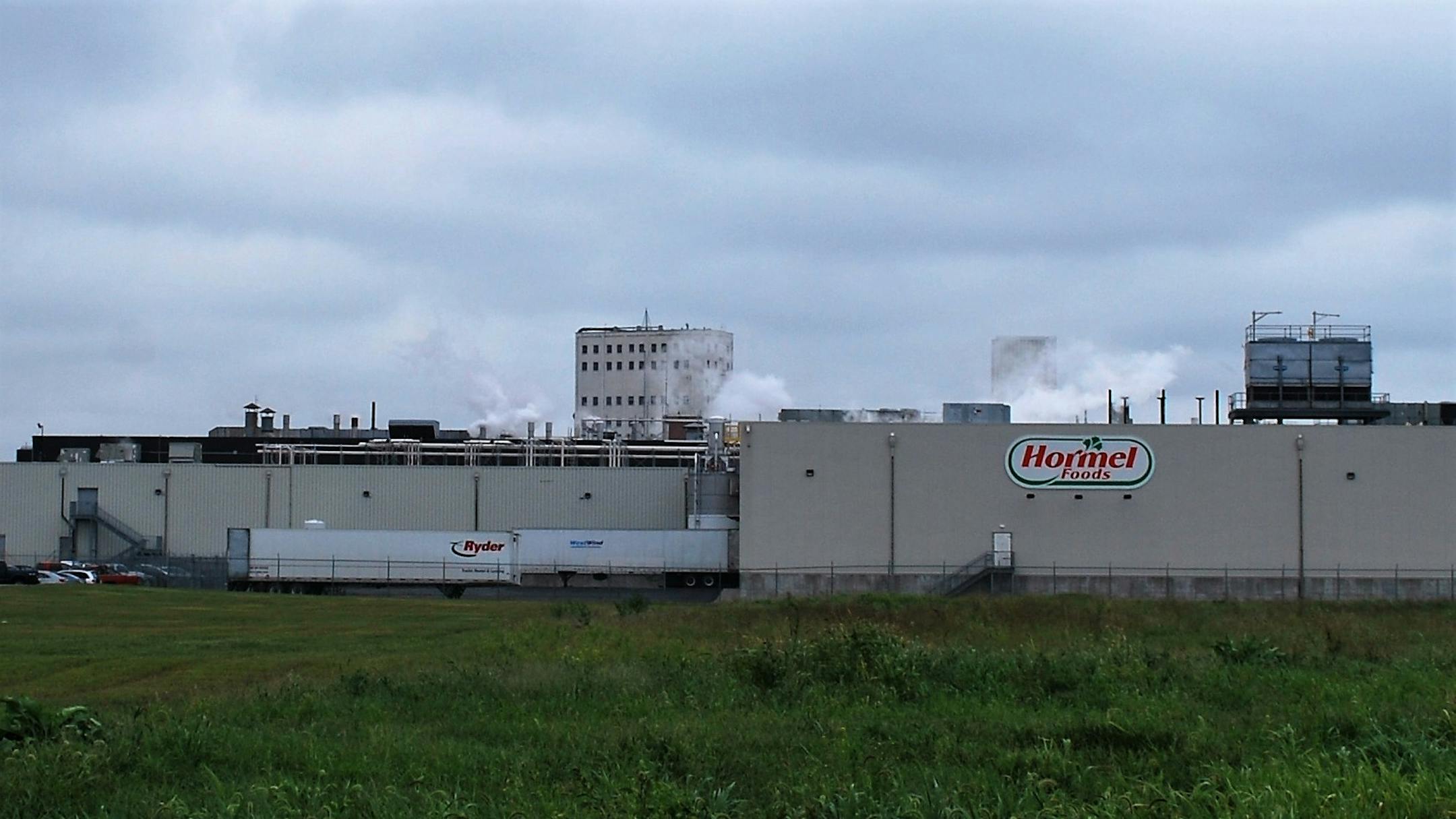
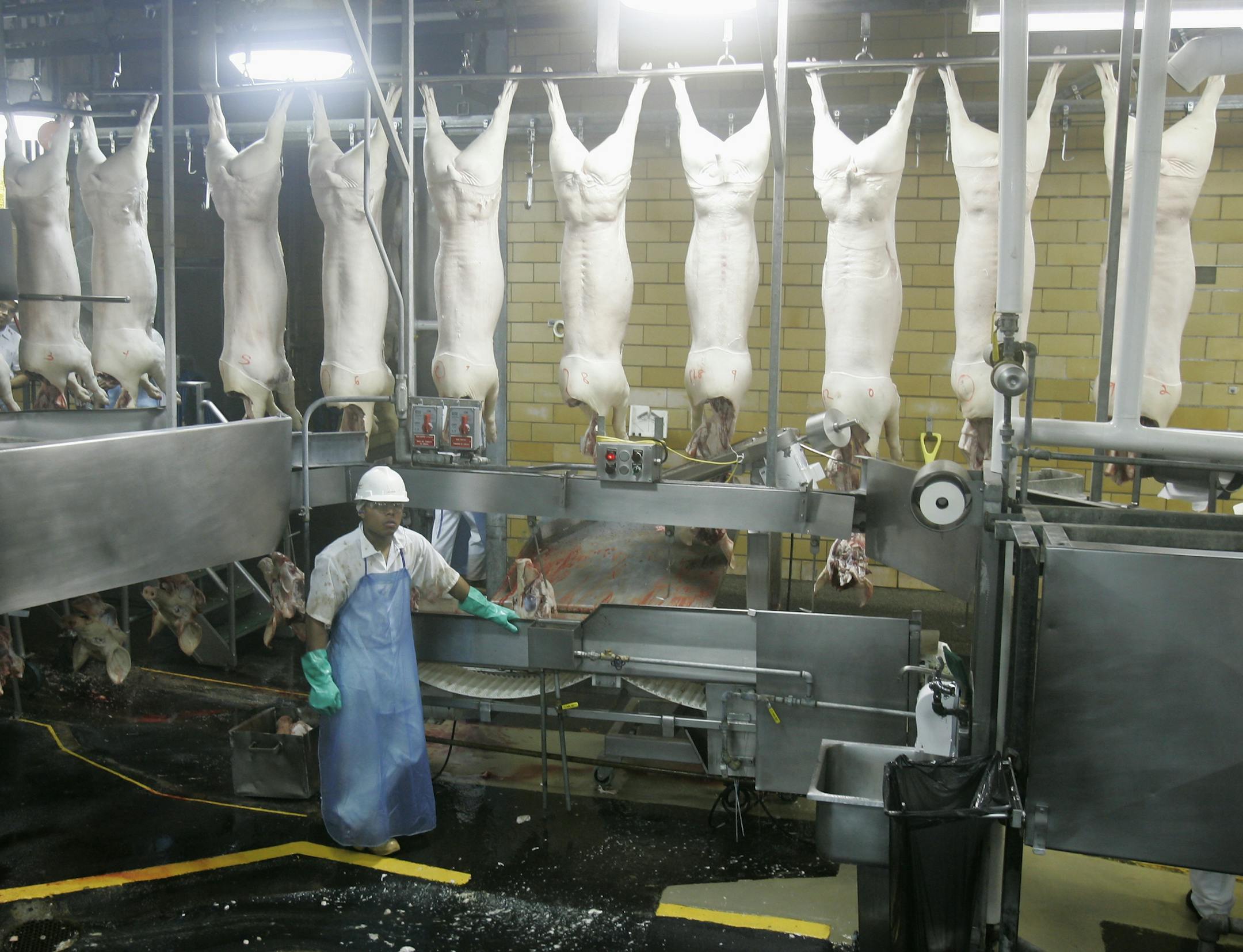
Hormel disclosed it will receive $30 million in cash for the sale of its large Fremont, Neb., plant. The sale, announced last week, to farmers in Minnesota, South Dakota and surrounding states, is organized as WholeStone Farms. The deal came after Hormel conducted a multiyear review of its hog-slaughtering business, which the company was built on more than 120 years ago.
By selling the plant now, Hormel is avoiding a costly renovation needed to keep the facility competitive and lowering its exposure to swings in commodities prices. "Our stated goal is to not sell any commodity meat at all," Jim Sheehan, Hormel's chief financial officer, said.