On April 6, Xi Jinping, China's president, launched yet another ideological campaign. It is named (as most such initiatives are) with a low number and a couple of nouns: "Two Studies, One Action."
The aim, said Xi, is to "strengthen the Marxist stance" of Communist Party members and keep them in line with the party leadership in "ideology, politics and action." Previous such efforts under his rule had focused on officials, he said. Now it was time to focus on the rank and file.
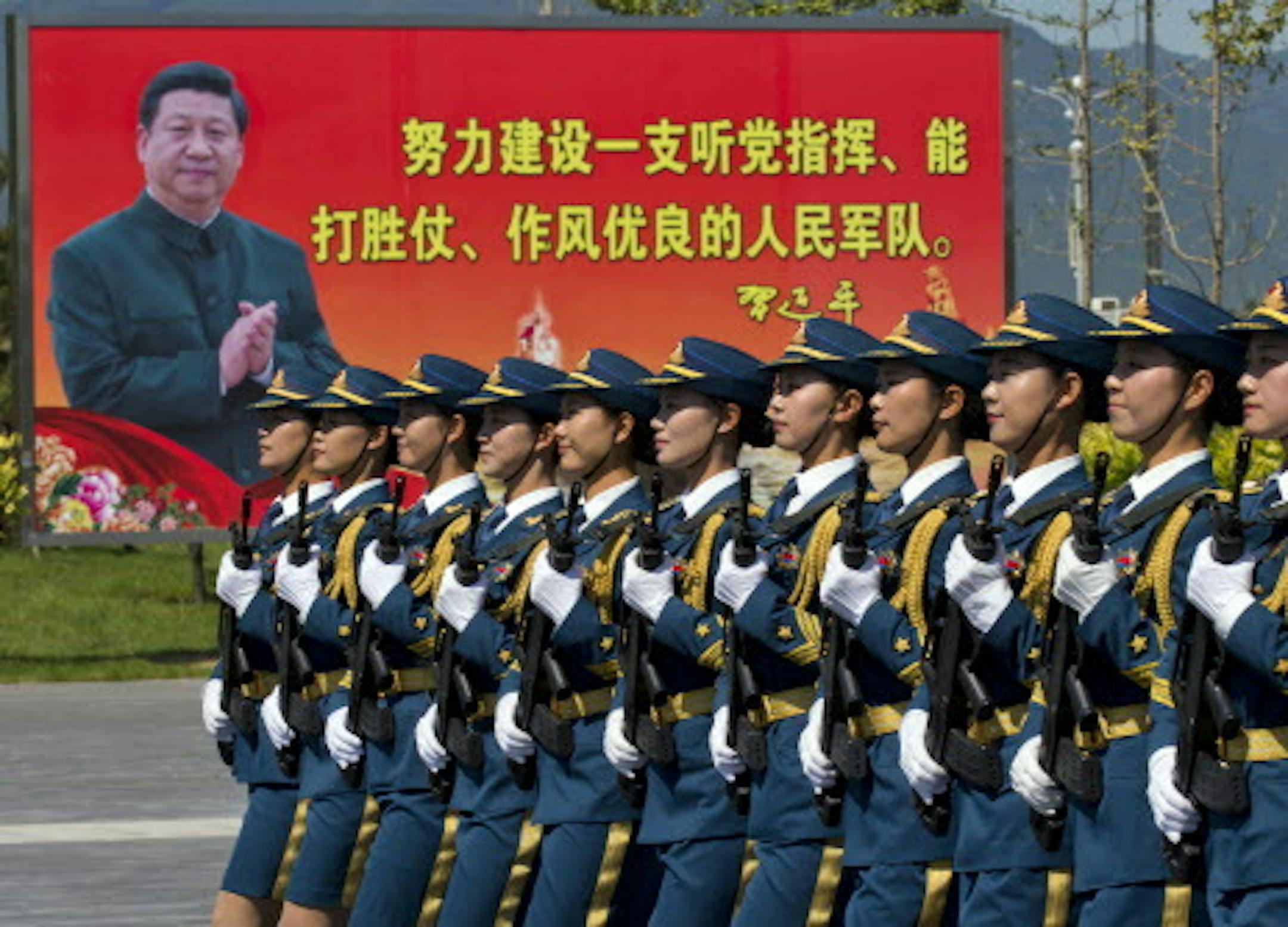
Ideology has always mattered to the party's leaders. University students endure lessons on "Marxism-Leninism-Mao Zedong Thought." Soldiers have to spend hours a week studying the party's history and the military writings of its leaders.
Applicants for party membership undergo rigorous indoctrination. Chen Xiaojie, a 25-year-old official, recalls weekly classes on party theories and having to write a 1,500-word essay every three months on the latest doctrine. "When you're in the party, you'll join a group at least every month to learn about the latest thing they're promoting." Officials take regular refresher courses at party schools.
Since Mao's rule, when ideological training took up a considerable portion of almost everyone's lives, leaders have given people much more time to get on with their jobs. Deng Xiaoping's catchphrase, "It doesn't matter if a cat is black or white so long as it catches mice," captured a new mood of pragmatism. But the party continued to stress the importance of indoctrination. After the prodemocracy upheaval of 1989, Deng expressed regret that there had not been enough of it.
Since taking over in 2012, Xi has shown particular enthusiasm for ideology. One of his first moves was to set up a National Ideology Center to push — or invent — his own interpretation of Marxism-Leninism. He quickly spelled out to officials that ideological work was of "vital importance" to the party.
Numbers and nouns have come thick and fast. Some have been aimed at improving the behavior of a corrupt bureaucracy. Xi's "Eight Points" campaign launched in 2012 required party officials to eschew such things as lavish welcoming ceremonies and traffic-snarling cavalcades when they tour the country. His "Three Stricts, Three Honests" drive of 2014 was about strengthening officials' moral rectitude. Other campaigns have been more ideological: the "Eight Musts" of 2012 stressed the importance of the party's monopoly of power as well as of "reform and opening"; a campaign was launched in February requiring officials to bone up on Mao's essay, "Working Methods of Party Committees." and "improve their consciousness of democratic centralism".
Xi's attentions are not confined to the party. In 2014, he said students and teachers at universities (fountainheads of dissent, historically) both needed greater "ideological guidance."