BEIJING – It was, as a Chinese newspaper put it, "a new beginning for the Chinese dream."
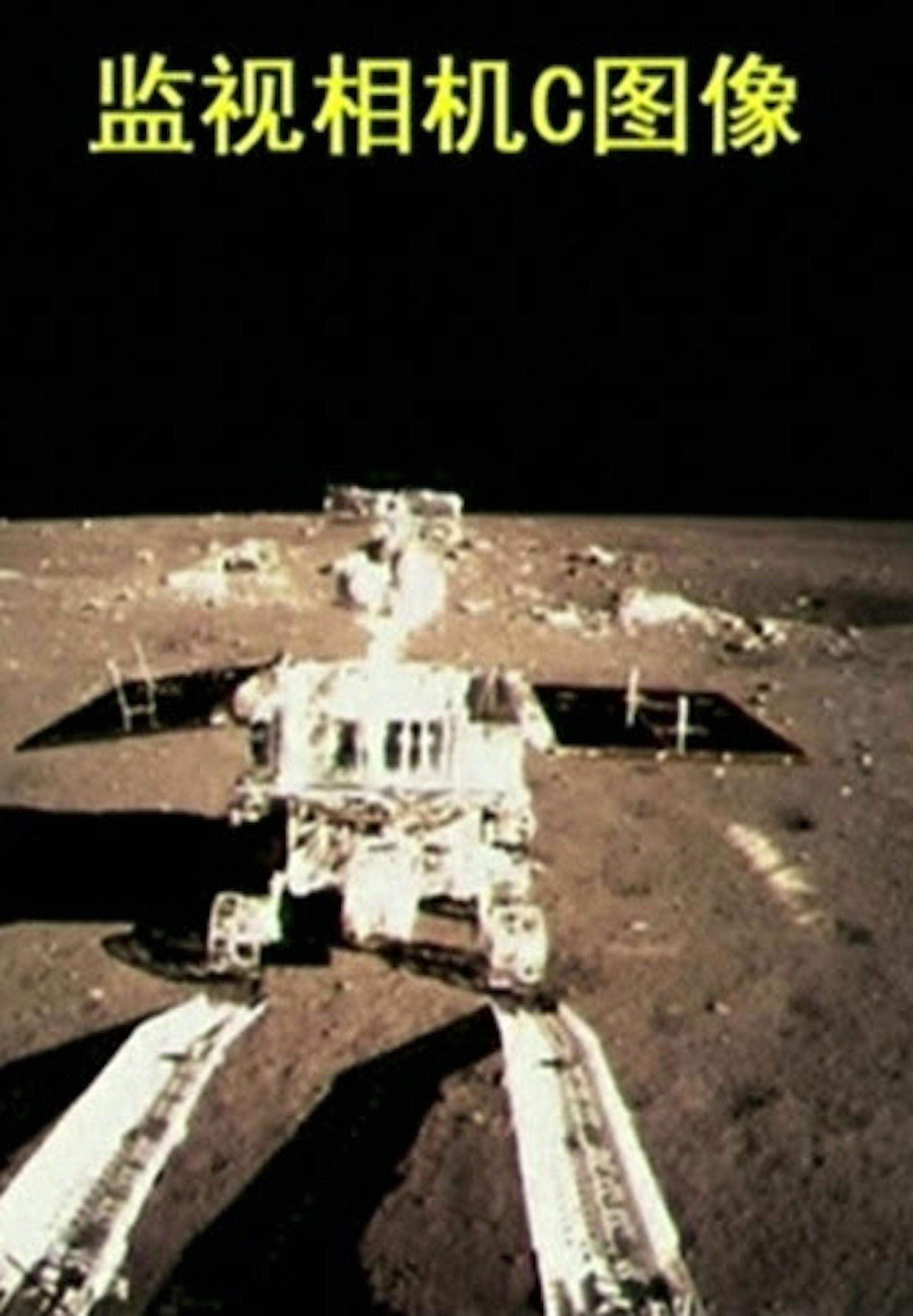
On Dec. 15 the imprint left by Neil Armstrong's boot on the moon in 1969 found its near-equivalent in the minds of China's media commentators: the "Chinese footprint" gouged in the lunar dust by Yutu, a Chinese rover, after its mother ship made the first soft landing on the moon by a spacecraft since 1976. President Xi Jinping, watching from ground control, clapped as the image appeared on the screen. For the promoter-in-chief of the Chinese dream, it was a moment to cherish.
Xi launched the "Chinese dream" slogan within days of taking power in November 2012. It has since swept the nation, appearing everywhere on billboards and propaganda posters. It featured twice in a resolution adopted by the Communist Party's Central Committee at a plenum last month that marked the tightening of Xi's grip. He has said the Chinese dream includes a "dream of a strong nation" and a "dream of a strong army" and, especially since the plenum, he has been playing up the strongman image.
Some Chinese actions in the region have appeared more assertive, too. On Dec. 5, a Chinese navy ship had a tense encounter with an American cruiser in the South China Sea. Both sides kept quiet about it until more than a week later when American officials revealed that their vessel, USS Cowpens, had been forced to maneuver to avoid hitting the Chinese ship, which had passed in front.
The incident occurred while the American cruiser was watching China's new and only aircraft carrier, the Liaoning, as it made its first foray into the area, which is riven with competing maritime claims. (The Liaoning is featured in a special issue of four "Chinese dream" postage stamps issued in September; two others show Chinese spacecraft and one a deep-sea submersible.)
America lodged protests with China about the near-miss in international waters. A Chinese newspaper, however, accused the Cowpens of posing a threat to "China's national security." The encounter is likely to add to American concerns that China is trying to claim the South China Sea, a vital trading route, as its back yard.
The maritime near-miss came after the Nov. 23 announcement of an "Air-Defense Identification Zone" in the East China Sea that would require all aircraft flying through it to report to the Chinese authorities. This enraged Japan, which controls islands within the zone, and was criticized by other countries, including America and South Korea.
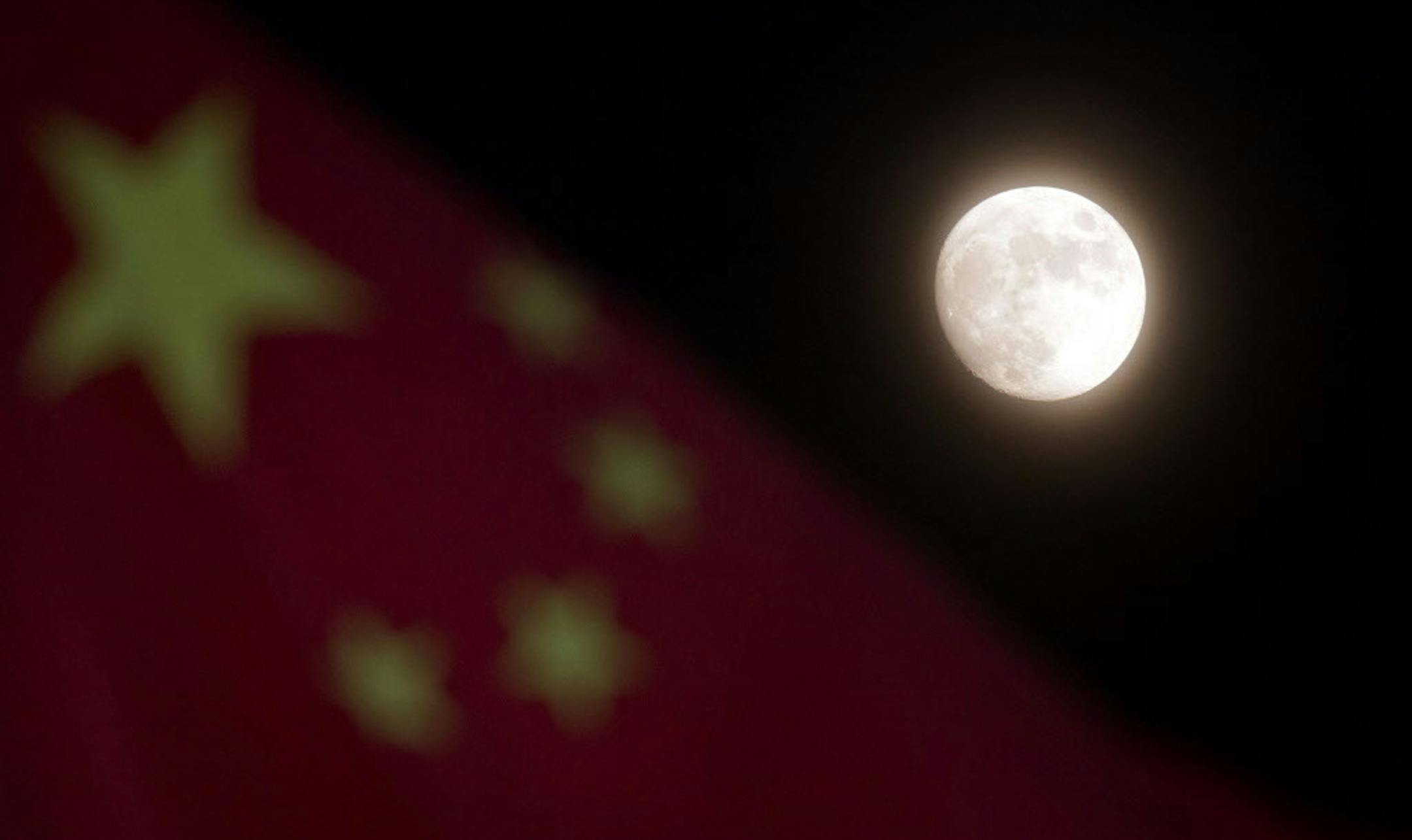
"Chinese dream" rhetoric has suffused China's coverage of the moon landing by the Chang'e-3 spaceship, and the Yutu (Jade Rabbit) rover's successful deployment from it, sporting the Chinese flag on its side. In a televised call to three Chinese astronauts orbiting Earth in June, Xi had said: "The space dream is an important part of the dream of a strong nation."