

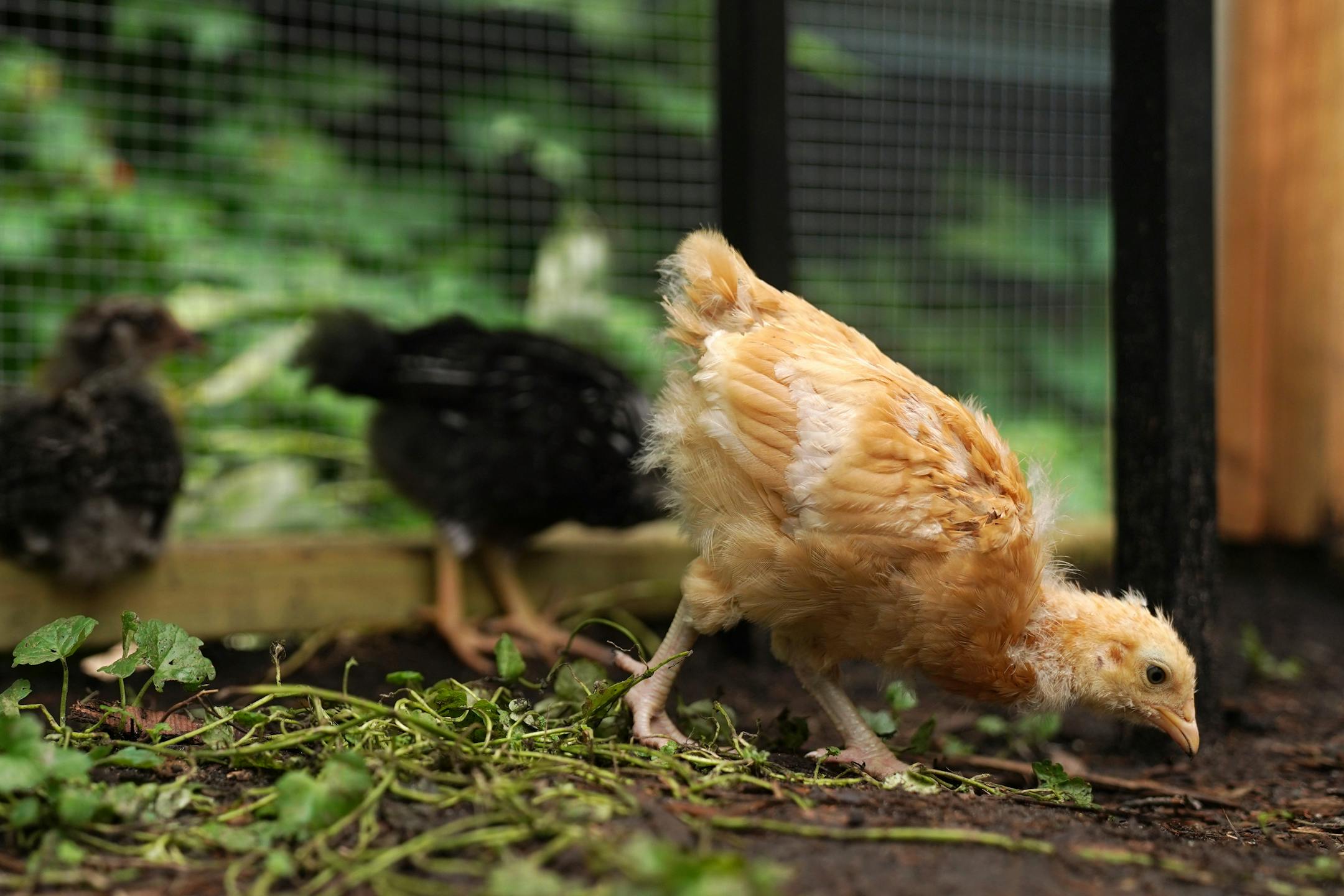
Cargill is using advanced DNA sequencing technology to improve the health and productivity of chicken flocks in a not quite technical-sounding way: by looking at their poop.
Like with humans, a healthy gut can indicate a happy life for poultry. Pairing the feces findings with artificial intelligence can guide nutritional or management fixes that ensure chickens have optimal microbiomes.
"You make the chicken flocks more productive, so you have less loss, higher yields and a lower greenhouse gas footprint," said Florian Schattenmann, vice president of research and development and chief technical officer at Cargill.
The chicken project is one example of a growing focus on innovation at the Minnetonka-based agribusiness, which netted the company several accolades this year.
"It's all about the best people, attracting top talent, and that's why we've become much more outgoing around this," Schattenmann said. "As we talk about innovation more, we've become an innovation brand."
Without the pressures of quarterly reports and activist investors, the private company and its 2,000-member global R & D team has been able to take bigger swings on solving problems like feeding a growing population more sustainably, he said.
Cargill is frequently in the crosshairs of activist groups, given its influence in the global food supply and issues like deforestation. But it's the reality of running a business that drives advancements in sustainability.
"Innovation has always been about making things better or cheaper or both," Schattenmann said. "But if it has a worse sustainability footprint, no customer will take that from you. So we look at better, cheaper and more sustainable."


