

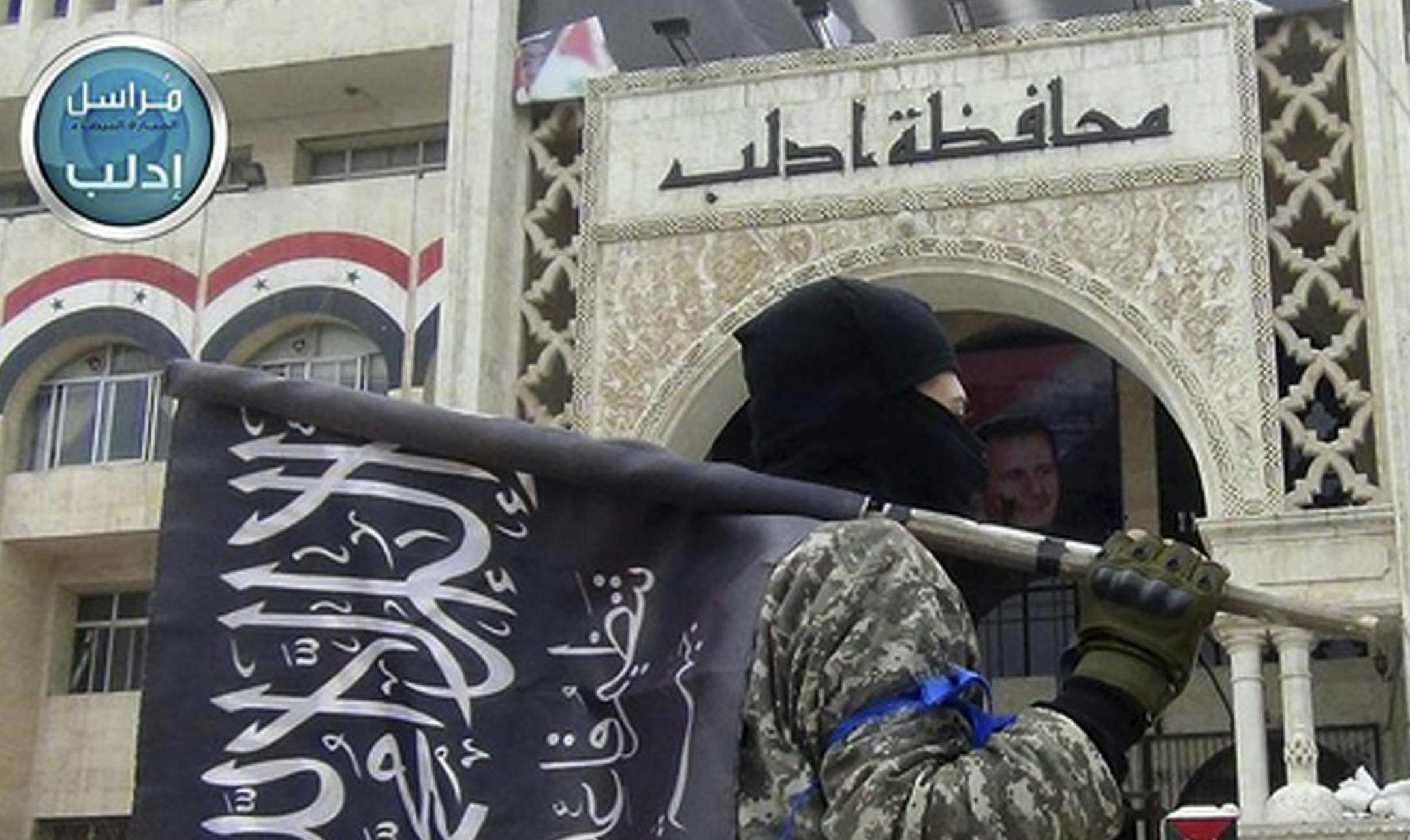
Tehran -- Public-relations firms with no qualms about taking tainted petrodollars are experiencing a bonanza. Their latest project has been to persuade us that the Nusra Front, Al-Qaida's affiliate in Syria, is no more. As a Nusra spokesman told CNN, the rebranded rebel group, supposedly separated from its parent terrorist organization, has become "moderate."
Thus is fanaticism from the Dark Ages sold as a bright vision for the 21st century. The problem for the PR firms' wealthy, often Saudi, clients, who have lavishly funded Nusra, is that the evidence of their ruinous policies can't be photoshopped out of existence. If anyone had any doubt, the recent video images of other "moderates" beheading a 12-year-old boy were a horrifying reality check.
Since the terrorist attacks of Sept. 11, 2001, militant Wahhabism has undergone a series of face-lifts, but underneath, the ideology remains the same — whether it's the Taliban, the various incarnations of Al-Qaida or the so-called Islamic State, which is neither Islamic nor a state. But the millions of people faced with the Nusra Front's tyranny are not buying the fiction of this disaffiliation. Past experience of such attempts at whitewashing points to the real aim: to enable the covert flow of petrodollars to extremist groups in Syria to become overt, and even to lure Western governments into supporting these "moderates." The fact that Nusra still dominates the rebel alliance in Aleppo flouts the public-relations message.
Saudi Arabia's effort to persuade its Western patrons to back its shortsighted tactics is based on the false premise that plunging the Arab world into further chaos will somehow damage Iran. The fanciful notions that regional instability will help to "contain" Iran, and that supposed rivalries between Sunni and Shiite Muslims are fueling conflicts, are contradicted by the reality that the worst bloodshed in the region is caused by Wahhabists fighting fellow Arabs and murdering fellow Sunnis.
While these extremists, with the backing of their wealthy sponsors, have targeted Christians, Jews, Yazidis, Shiites and other "heretics," it is their fellow Sunni Arabs who have been most beleaguered by this exported doctrine of hate. Indeed, it is not the supposed ancient sectarian conflict between Sunnis and Shiites but the contest between Wahhabism and mainstream Islam that will have the most profound consequences for the region and beyond.
While the 2003 American-led invasion of Iraq set in motion the fighting we see today, the key driver of violence has been this extremist ideology promoted by Saudi Arabia — even if it was invisible to Western eyes until the tragedy of 9/11.
The princes in Riyadh, the Saudi capital, have been desperate to revive the regional status quo of the days of Saddam Hussein's rule in Iraq, when a surrogate repressive despot, eliciting wealth and material support from fellow Arabs and a gullible West, countered the so-called Iranian threat. There is only one problem: Mr. Hussein is long dead, and the clock cannot be turned back.
The sooner Saudi Arabia's rulers come to terms with this, the better for all. The new realities in our region can accommodate even Riyadh, should the Saudis choose to change their ways.


