

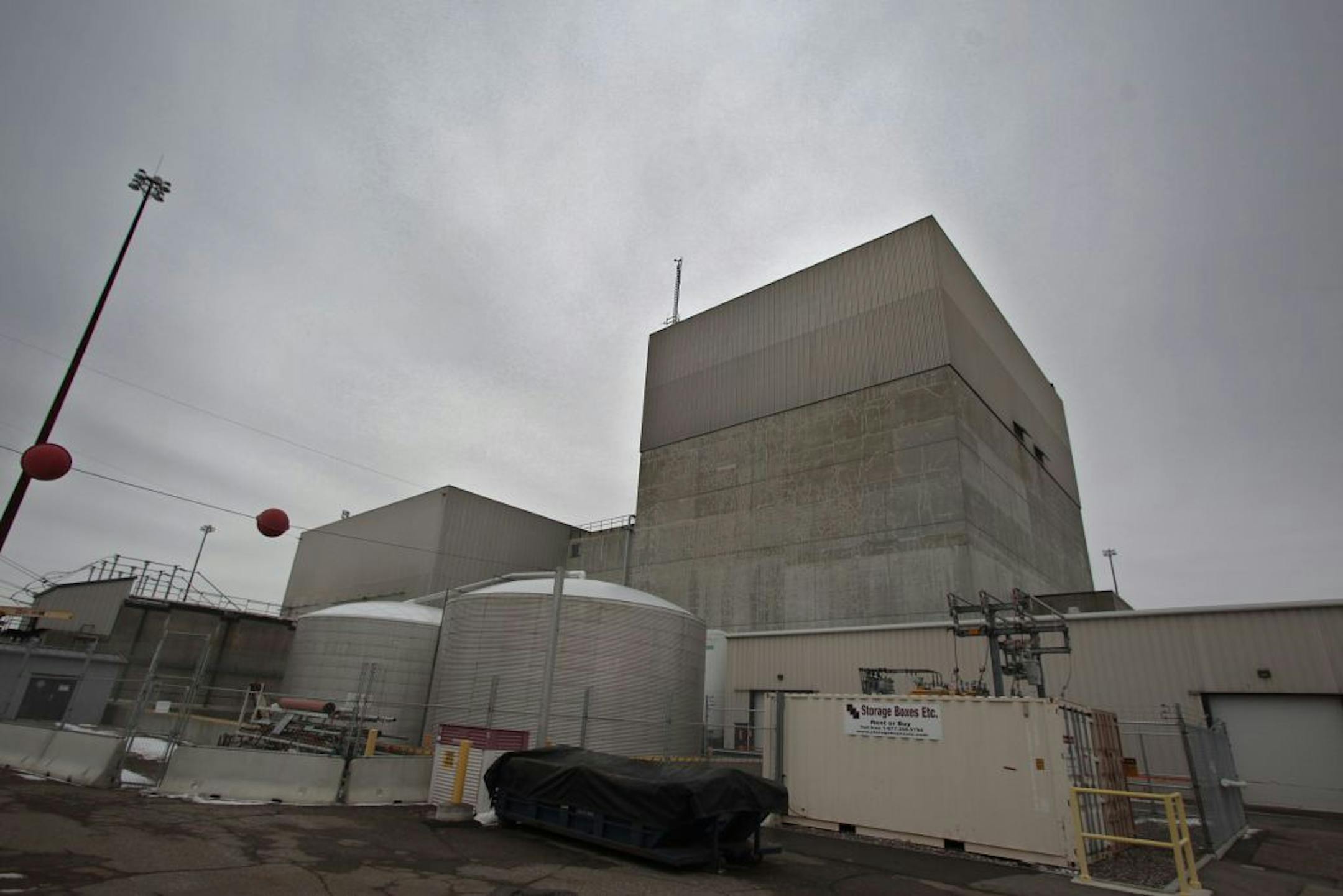
Nearly a third of U.S. nuclear reactors, including Xcel Energy's Monticello nuclear power plant, have been ordered to install or modify emergency "hardened" vents to reduce the risk of an explosive, Fukushima-like accident from built-up hydrogen.
The order issued Thursday by the U.S. Nuclear Regulatory Commission affects 31 reactors like those damaged in the 2011 disaster in Japan. It requires new vents at some reactors, including Monticello, and other enhancements to make sure plant workers can activate them during an accident — a serious shortcoming at Fukushima.
"Strengthened vents will help these plants continue to protect the public and the environment even if emergency systems can't immediately stop an accident," NRC Chairman Allison Macfarlane said in a statement. "By safely releasing built-up pressure and hydrogen, the plants will preserve the buildings that contain radioactive material."
Regulators pulled back from ordering that plants install expensive filtration systems on the vents, which could release highly radioactive gases into the atmosphere if deployed during a disaster. The NRC staff, which had supported the filtration idea, was ordered to revisit the issue and take into account the nuclear industry's objections.
Terry Pickens, director of nuclear regulatory policy at Xcel, said the Monticello plant has one hardened emergency vent, and now is required to install a second. The new vent will be in the upper or "dry" part of the reactor, he said. Xcel also must determine whether the existing vent meets NRC's new standard, and make changes if necessary.
"It is a step forward, but not as far as the filters would have been," said Dave Lochbaum, director of the nuclear safety project at the Union of Concerned Scientists, a nonprofit group that tracks reactor regulatory policy.
He said all but one U.S. boiling-water reactor has at least one hardened vent to release gases during a reactor accident. During the Fukushima disaster, workers couldn't operate vent valves because the earthquake and tsunami had knocked out power. Hydrogen escaped the damaged reactors into the buildings housing them, resulting in several explosions.
"They made a valiant effort, but it was too little too late," Lochbaum said of the Japanese plant workers.



