
CEO Vicki Holt calls Proto Labs' new silicone line a 'blockbuster'

Company CEO Vicki Holt says the new business is a 'blockbuster.'

December 19, 2015 at 6:03PM
Proto Labs CEO Vicki Holt talked about the new Plymouth plant during an open house and tour of the facility on 4/24/14. Proto Labs opens its new $15 million plant in Plymouth on Thursday. New CEO Vicki Holt will be there and be interviewed. New plant will get 100 new workers and is the company's 5th manufacturing plant.] Bruce Bisping/Star Tribune bbisping@startribune.com Vicki Holt/source.
Proto Labs CEO Vicki Holt, at the company’s plant in Plymouth, sees a bright future for injection liquid silicone rubber, which is supplanting glass in a variety of manufactured products. The process is the exact opposite of traditional plastic injection molding. (The Minnesota Star Tribune)

Silicone has been good to Proto Labs.

Last year, the Maple Plain-based company shelled out hundreds of thousands of dollars on new injection and molding equipment that let it quickly make colored gaskets, seals and other parts out of heat-resistant and flexible silicone. The company traditionally worked in plastic injection molding but recently expanded into steel, magnesium and rubber.

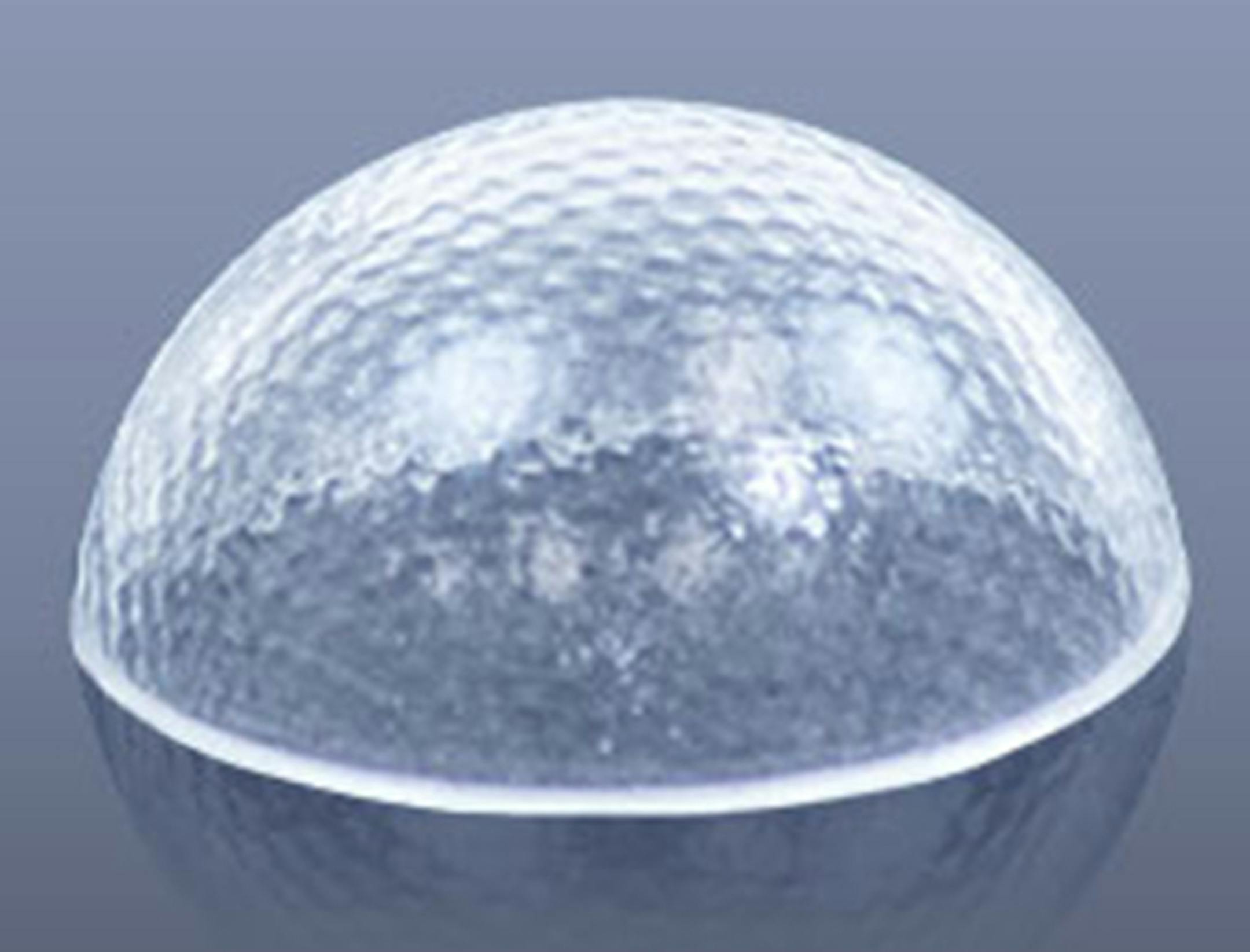
This year, it increased the ante, spending hundreds of thousands more so it could make high strength, translucent silicone parts that are not only as clear as glass but in demand by lighting firms and automakers.

"Injection liquid silicone rubber is going to be a blockbuster," said CEO Vicki Holt. "The story behind it is really cool and [a hit] with our material suppliers" and customers.

The new custom manufacturing service involves chemical mixing and processes that are the exact opposite of traditional plastic injection molding. So there was a learning curve.

But officials insist it was worth it as the new business is expected to serve an exploding LED lighting industry. The industry turns to silicone materials because they can handle more heat than glass, weigh less and are more durable — even when formed into very thin sections.

After months of beta tests with select customers, Proto Labs launched its "optical silicone" product line in February at The Strategies in Light, an LED trade show in Las Vegas.

Since then, Proto Labs' new know-how has been on display at various trade shows including the Atlantic Design and Manufacturing Show in June; the Design and Manufacturing show in Philadelphia in October; and the AutoDesk University show earlier this month in Las Vegas.
Lighting experts from several of the shows suggested Proto Labs would be a natural to produce lenses and shades that could diffuse light.

Automotive firms are now turning to molded silicone headlight parts because they hold up under ultraviolet light, and tend not to scratch, yellow or dim like glass.

Michigan-based auto and general lighting maker MagWerks LED, for example, "chose Proto Labs and its liquid silicone rubber molding process to develop [an] optically clear part for its high-efficiency, high-performance LED silicone fog light," said Sarah Ekenberg, Proto Labs' marketing manager. "LSR parts have good thermal, electrical and chemical resistance, so they work especially well for automotive applications."

Yet parts makers at the trade shows liked the idea of using silicone piping to direct light to specific areas of car dashboards. That was not expected.

The line is "meeting our growth expectations and taking off very well and becoming a significant revenue contributor to our liquid silicon rubber business," said Becky Cater, injecting molding product manager. "We see it as a high potential opportunity and that is why we so aggressively pursued it."

Cater and other officials won't say how much the new business will be worth, but they see abundant market potential in the long term.

Jeff Schipper, the liquid silicone rubber product manager who brought the line to market, said he is pleased with the initial outcome. He started with a small crew of engineers and designers who worked in a separate building to perfect the manufacturing process and work on batch customer projects and product runs.

Now, orders are rolling in.

"It is moving well into commercialization across many, many customers," Schipper said.

The LED lighting market alone "is projected to grow 12 percent or more year over year at least through 2018," Schipper said. "That same market is currently in the $2.5 billion range in just the U.S., so it's a huge space. We play a small spot in it, but we see it expanding into other industries. We see a wide variety of applications — some we hadn't anticipated."

While customer orders for translucent silicone parts are just beginning, they are contributing to the company's overall growth.

Proto Labs' total revenue grew 24 percent to $190 million over nine months, while profits grew 10 percent to $35 million. The growth prompted a hiring spree. Company employment doubled in 22 months to 1,007 U.S. employees, including 884 workers in Minnesota.

Dee DePass • 612-673-7725

Optical LSR is a transparent, flexible thermoset material that is replacing glass in many optical applications.Provided by Proto Labs
Optical LSR is a transparent, flexible thermoset material that is replacing glass in many optical applications. (The Minnesota Star Tribune)
about the writer

about the writer

Dee DePass

Reporter

Dee DePass is an award-winning business reporter covering Minnesota small businesses for the Minnesota Star Tribune. She previously covered commercial real estate, manufacturing, the economy, workplace issues and banking.

See Moreicon

More from Business

See More
card image
Aaron Nesheim/Sahan Journal

Nonprofit leaders say they have had to lay off staff and take other measures to shore up finances as the Trump administration’s attacks on diversity, equity and inclusion efforts have chilled corporate giving and led to cuts in federal and state grants.

card image
card image