

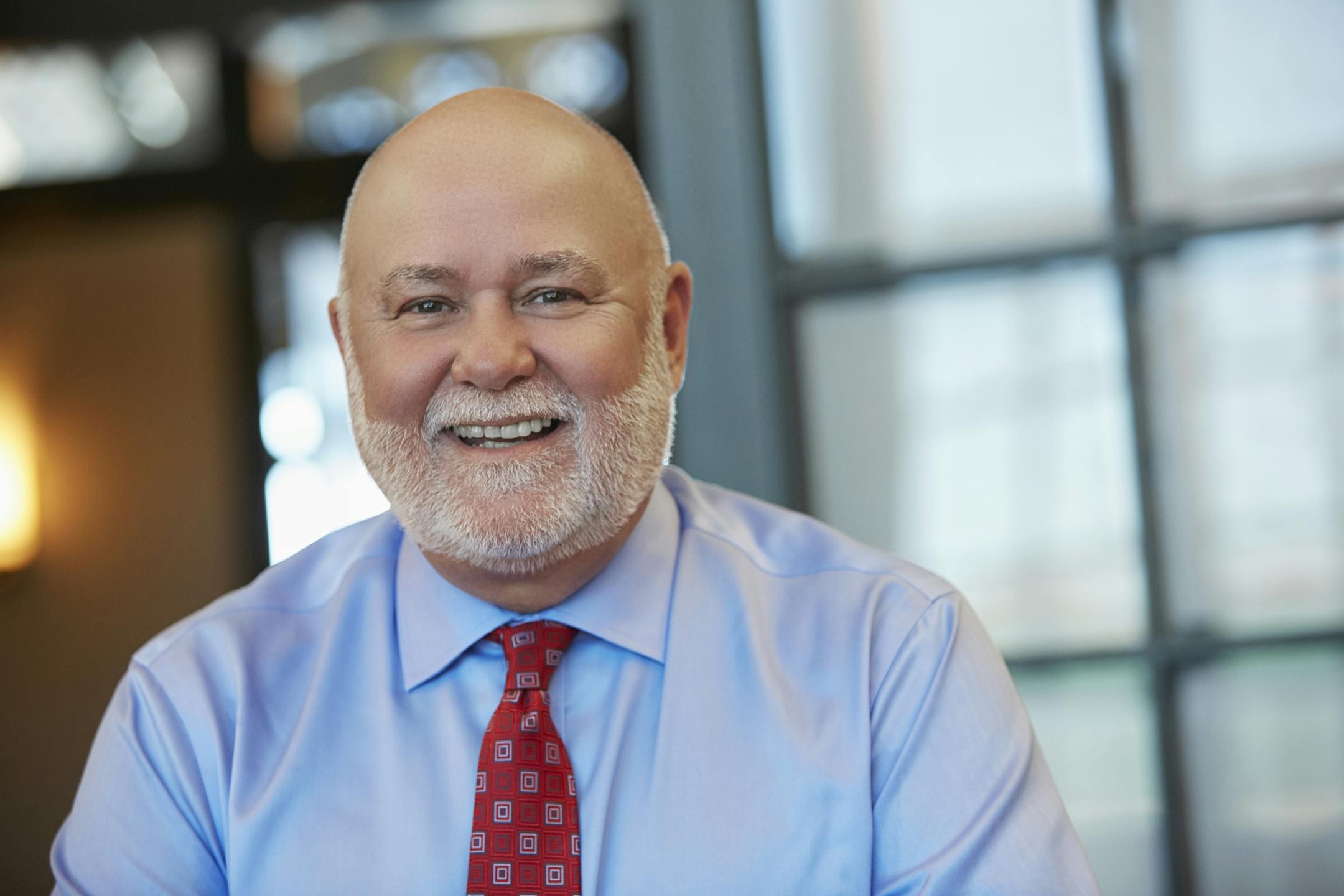
Now that the merger between TCF Financial and Chemical Financial is complete, the next challenge is combining operations without interfering with growth.
"We've got two businesses with momentum," said Craig Dahl, president and CEO of the combined bank. "How do we assume the management process without interfering with that momentum."
TCF, based in Wayzata, and Detroit-based Chemical completed the $3.5 billion merger of equals on Thursday, earlier than expected. The transaction — which means the Twin Cities will lose a corporate headquarters to Detroit — was initially projected to close late in the third or early in the fourth quarter.
"With complementary-banking platforms and the additional scale created through the merger, we are uniquely positioned to provide a more robust product set to a broader customer base with limited overlap and disruption," said Dahl, who was chairman, president and chief executive of TCF.
TCF is merging into Chemical Financial, but the new company takes the TCF name and ticker symbol (TCF).
So far the process has gone smoothly according to Dahl who has built, fixed and successfully run things at TCF since joining the company in 1999. The toughest decisions regarding the merger were handled in the deal negotiations.
"Usually we say in bank mergers the three biggest challenges are: who's going to run it, where do you headquarter it and what do you call the company," said Jon Arfstrom, an analyst and managing director for RBC Capital Markets. "Those three things are always the challenge and in this case there is a lot of give-and-take from everyone."
The deal becomes one of the five largest pending or completed bank mergers in the U.S. over the last five years. It is the latest example of a consolidation in the banking industry where players are looking to increase size to better spread out marketing and IT investments that will keep an increasingly mobile-orientated customer base.


