

Opinion editor's note: Star Tribune Opinion publishes a mix of national and local commentaries online and in print each day. To contribute, click here.
•••
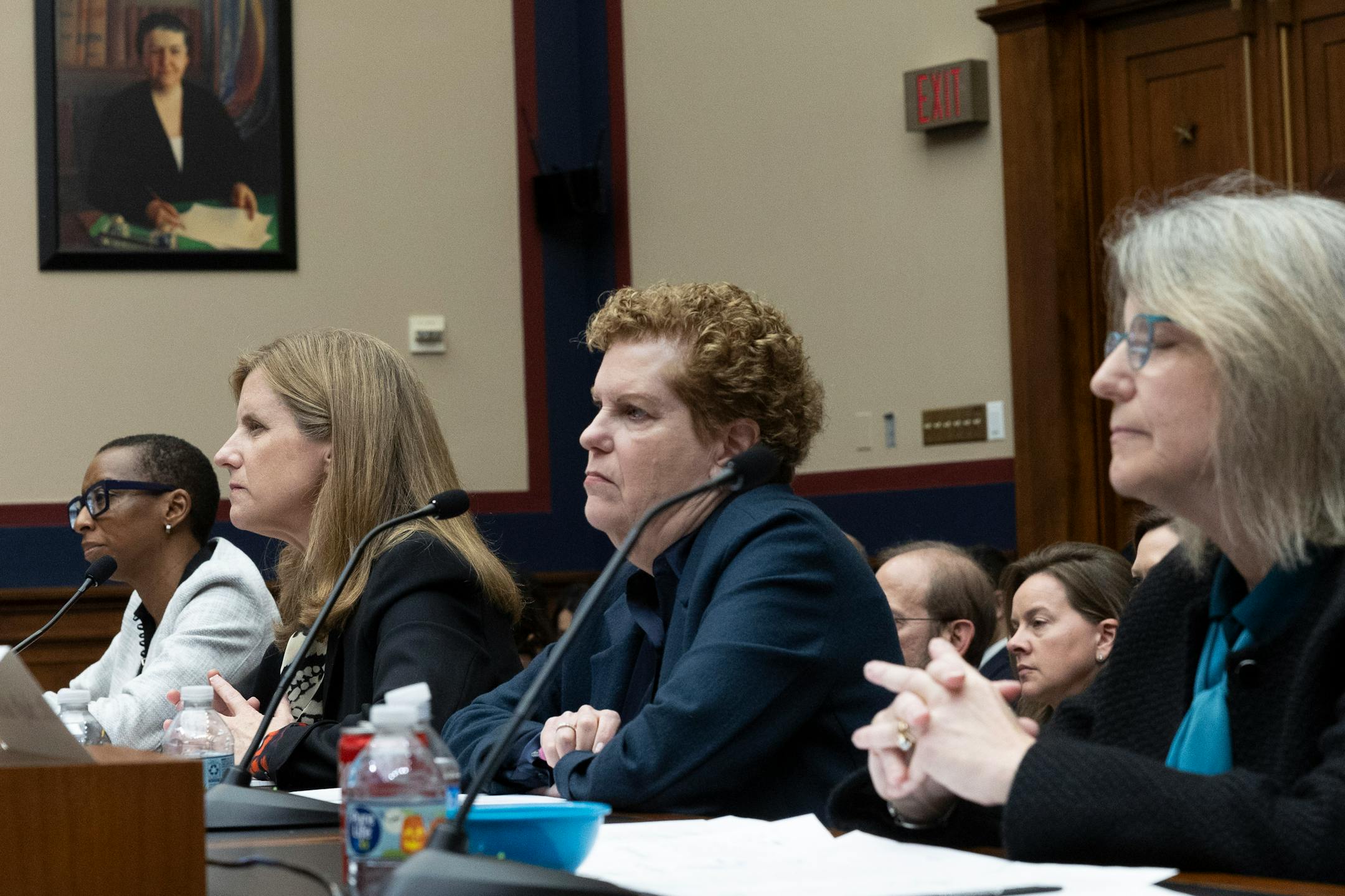
As I watched the presidents of Harvard University, Massachusetts Institute of Technology and the University of Pennsylvania struggle last week to respond to harsh congressional questioning about the prevalence of antisemitism on their campuses, I had a singular thought:
Censorship helped put these presidents in their predicament, and censorship will not help them escape.
To understand what I mean, we have to understand what, exactly, was wrong — and right — with their responses in the now-viral exchange with Rep. Elise Stefanik, R-N.Y. The key moment occurred when Stefanik asked whether "calling for the genocide of Jews" would violate school policies. The answers the presidents gave were lawyerly versions of "it depends" or "context matters."
There was an immediate explosion of outrage, and the president of Penn, Elizabeth Magill, resigned Saturday. But this is genocide we're talking about! How can "context" matter in that context? If that's not harassment and bullying, then what is?
But I had a different response. I'm a former litigator who spent much of my legal career battling censorship on college campuses, and the thing that struck me about the presidents' answers wasn't their legal insufficiency but rather their stunning hypocrisy. And it's that hypocrisy, not the presidents' understanding of the law, that has created a campus crisis.
First, let's deal with the law. Harvard, Penn and MIT are private universities. Unlike public schools, they're not bound by the First Amendment, and they therefore possess enormous freedom to fashion their own custom speech policies. But while they are not bound by law to protect free speech, they are required, as educational institutions that receive federal funds, to protect students against discriminatory harassment, including — in some instances — student-on-student peer harassment.


