

Emily Franks and her husband were making enough money to get by but were still living paycheck to paycheck and struggling with debt.
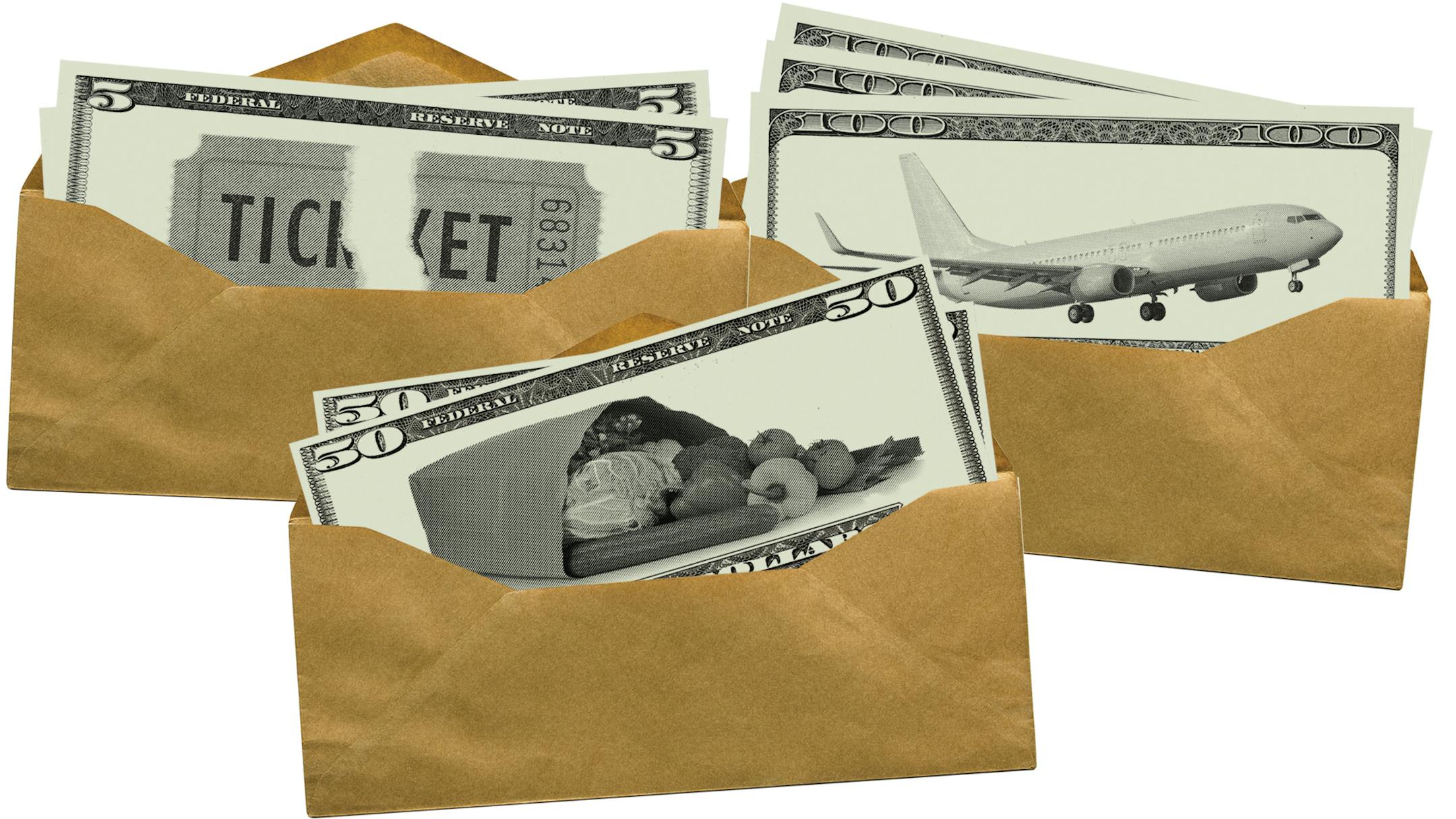
After learning their church was hosting a financial literacy class, they decided to take action. Through several weeks, they learned to craft a budget and make it stick, using cash-filled envelopes as a budgeting system to plan and control expenses.
Fast-forward seven years, and Franks has built a career around “cash stuffing” as founder of the Aesthetic Dollar, a Twin Cities-based online store selling minimalist budgeting tools including envelopes, wallets and planners. Franks also posts regular YouTube videos — initially an accountability tool for her own budgeting efforts — with business updates, budgeting tips and calming overhead shots of her organizing piles of cash.
Similar videos have flooded the internet as cash stuffing — a familiar idea repackaged for the social media age — has gained traction with a new generation, even as digital currency has become the norm.
According to Federal Reserve survey data, cash comprised 16% of respondents’ payments during a monthlong period in 2023, compared to 31% in 2016. Still, cash usage has held steady since 2021 and remains popular among lower-income and older consumers, according to the Fed.
“Anyone can use cash. It’s available to everyone to use,” Franks said. “It doesn’t have to be complicated. Anyone can make it as simple as they want to.”
Start small
Before withdrawing a stack of twenties from your bank account or ordering fancy envelopes online, start by figuring out your budget, beginning with the often-humbling step of tracking your current spending.
Autumn Schinka, a Twin Cities-based financial adviser at Thrivent, said people often underestimate discretionary spending — categories like groceries or eating out that vary from month to month. That’s where things can get out of hand.



