
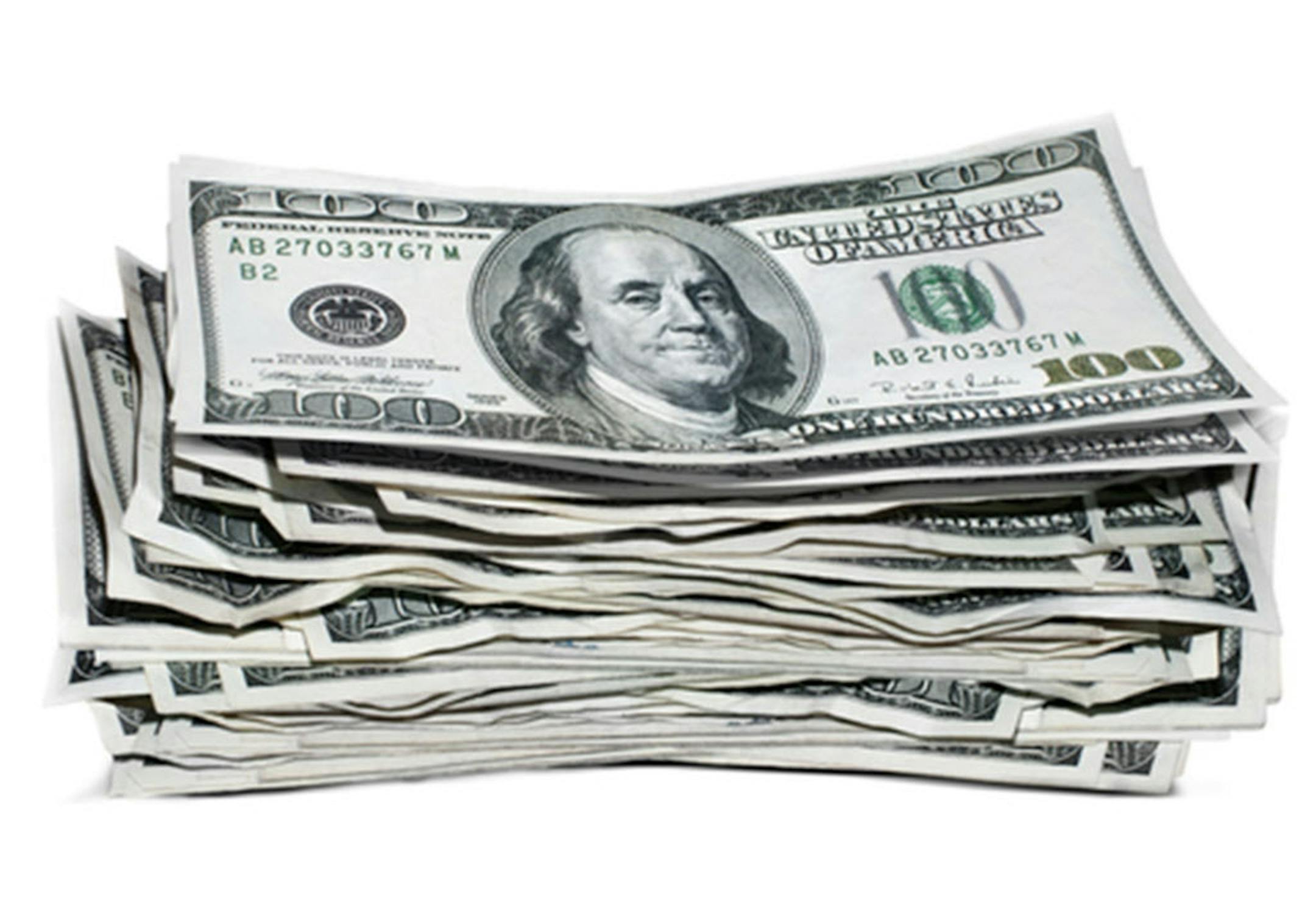
Cash is still king when it comes to crises

Putting together an emergency kit that includes small sums of cash can help navigate a natural or human-made catastrophe.

For the Minnesota Star Tribune
October 4, 2025 at 12:01PM
Big U.S. companies have been piling up cash for years, but have spent little of it on buying equipment and raising wages. The new tax bill calls aims to to fix this by giving companies even more money in the form of a tax cut. (Dreamstime/TNS) ORG XMIT: 1219076
Cash is still king when it comes to crises. (The Minnesota Star Tribune)

Do you get the sense that blizzards, tornadoes, wildfires, hailstorms and other disasters are more common these days?

The data suggests our intuition is right while the cost of damage from disasters keeps going up, largely thanks to greater economic wealth and increasing development. Whether natural or human-made, catastrophes disrupt everyday life. Electric power might go down, cell towers might not work. There could be water could contamination and home evacuations.

One sensible personal finance recommendation is for households to create an everyday emergency kit in case of a natural or human-made disaster.

The Minnesota Department of Health has a useful checklist on its website for an emergency kit that includes enough essential supplies for households to be self-sufficient for 72 hours. Among the emergency kit essentials is cash — small sums of cash.

When calamity strikes, cash is useful. A recent European Central Bank (ECB) report emphasized the importance of cash during and in the immediate aftermath of a disaster by highlighting “the unique value of cash as a safe haven asset and essential contingency payment instrument for emergencies.”

That said, cash is something of the Rodney Dangerfield of finance: Cash gets no respect. In our digital age, we often treat cash as a relic. People routinely use credit cards and debit cards rather than cash for everyday transactions. Financiers acknowledge the security of cash but typically look at holding cash as a drag on returns.

Harvard University economist Kenneth Rogoff in his book “The Curse of Cash” made an impassioned case for getting rid of most paper money.

Yet small sums of cash are a “contingency tool” during a crisis. Cash works when digital payment systems fail. The ECB report noted cash has attributes no digital system can fully replicate: tangible, offline, universally accepted, private and trusted.

Cash is like society’s “spare tire” that backs up the digital payments system in a crisis, noted the scholars behind the report, “Keep calm and carry cash: Lessons on the unique role of physical currency across four crises.”

Cash isn’t a digital-age artifact. Cash is part of a financial safety net or household insurance policy against the risk of increasingly frequent catastrophes. (The ECB report focused on the role of cash during four recent European upheavals, but the insights apply to the U.S. too.)

The personal finance lesson of recent disasters is that it pays to create an emergency kit, including cash — just in case.

Chris Farrell is senior economics contributor for “Marketplace” and a commentator for Minnesota Public Radio.

about the writer

about the writer

Chris Farrell

Columnist

See Moreicon

More from Business

See More
card image
Hormel headquarters in Austin, MN. ] GLEN STUBBE * gstubbe@startribune.com Friday September 11, 2015 Despite woes throughout the food industry, partly due to consumers turning away some from processed foods, Hormel has managed to continue prospering -- even though a good part of its business -- Spam, chili -- is about as processed as you can get. But the company's turkey and pork offerings are riding a hot protein trend. And over the past two years, it's made some of the biggest acquisitions in