

Americans are paying more for appliances, home furnishings, toys and shoes than they were a few months ago, and they could soon face higher prices on more goods as the Trump administration’s latest round of sharper tariffs kicks in.
The newest round of duties took effect at midnight Thursday, lifting the average U.S. tariff rate to its highest level since the Great Depression. The move solidifies the president’s trade policy after months of negotiations, meaning more manufacturers and retailers are expected to begin raising prices in short order.
“Tariffs have moved from being tentative to permanent — and that changes how American businesses are going to respond,” said Justin Wolfers, a professor of public policy and economics at the University of Michigan. “You’re going to start seeing higher prices as soon as businesses become convinced this will stick around, and that clock starts today.”
The higher tariffs, which businesses — not countries — pay to the federal government to import goods, are as high as 50 percent for Brazil and India, but just 15 percent for the European Union and Japan.
For consumers, that escalation is expected to result in higher prices, costing households an average of $2,400 per year, according to estimates from the Budget Lab at Yale University. Americans are likely to face large markups on clothing in the coming months, including a 39 percent increase in prices for leather shoes and bags, and a 37 percent rise in clothing costs, the research center found. Even after long-run supply chain adjustments and buying shifts, those prices could remain elevated by nearly 20 percent.
Food prices, meanwhile, could rise more than 3 percent, while fresh produce could become 7 percent more expensive as a result of the Trump administration’s tariffs, the Budget Lab found. The center also expects cars — which often rely on components from several different countries — to get 12 percent more expensive, adding $6,000 to the price of an average new vehicle.
Although businesses have so far absorbed the brunt of new tariffs, by covering higher costs themselves or relying on earlier stockpiles of inventory to keep them going, that is quickly changing. Major retailers, including Costco, Williams-Sonoma and Target, that loaded up on products earlier in the year are beginning to deplete those reserves, analysts say.
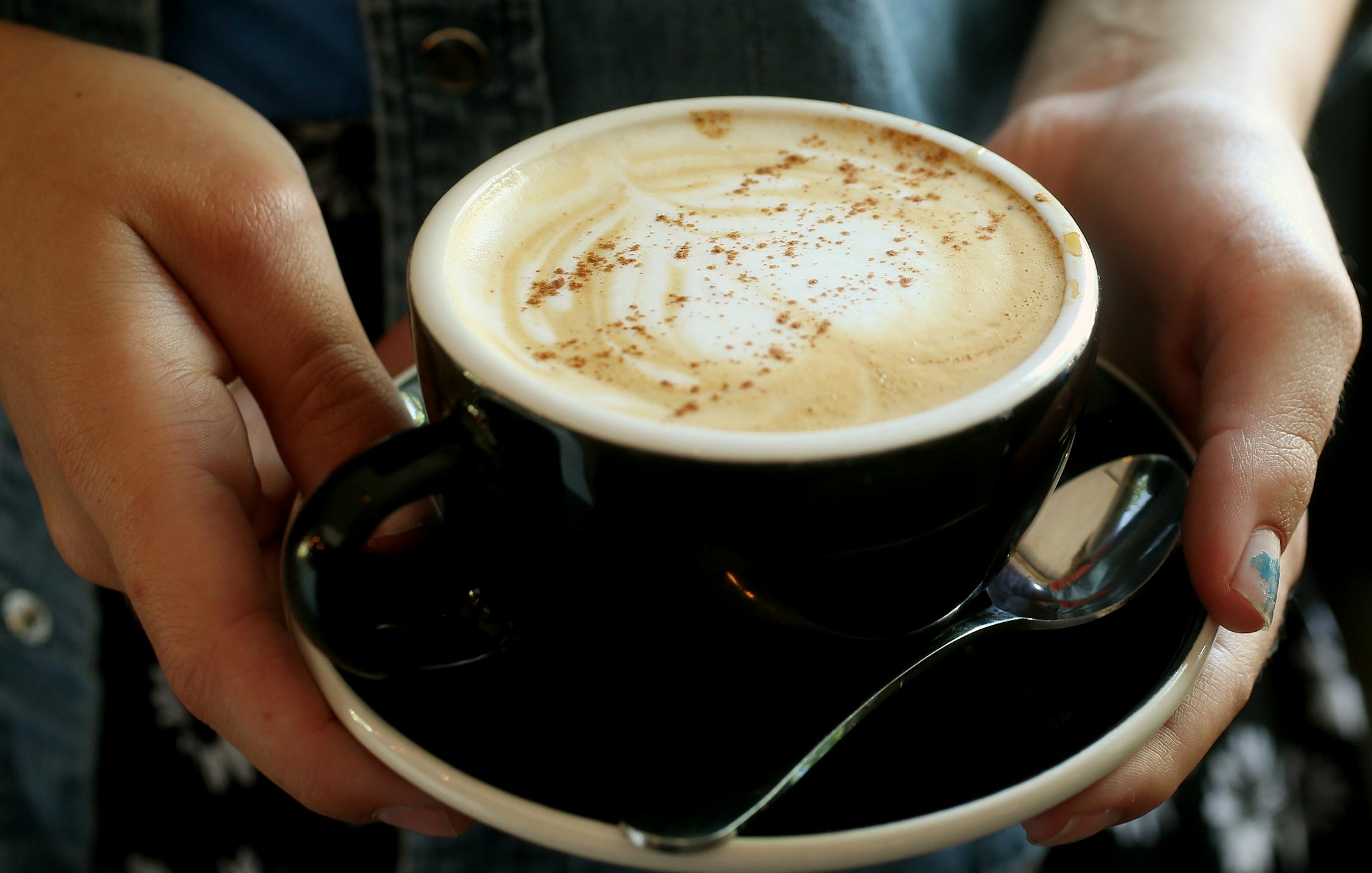
“Consumers are going to pay, starting with their morning coffee,” said Robert Blecker, an economics professor at American University, referring to the 50 percent tariff on coffee from Brazil. “Although it does seem a lot of firms have been eating some of the tariffs by shaving their profit margins and holding the line on prices, that can’t go on forever.”


