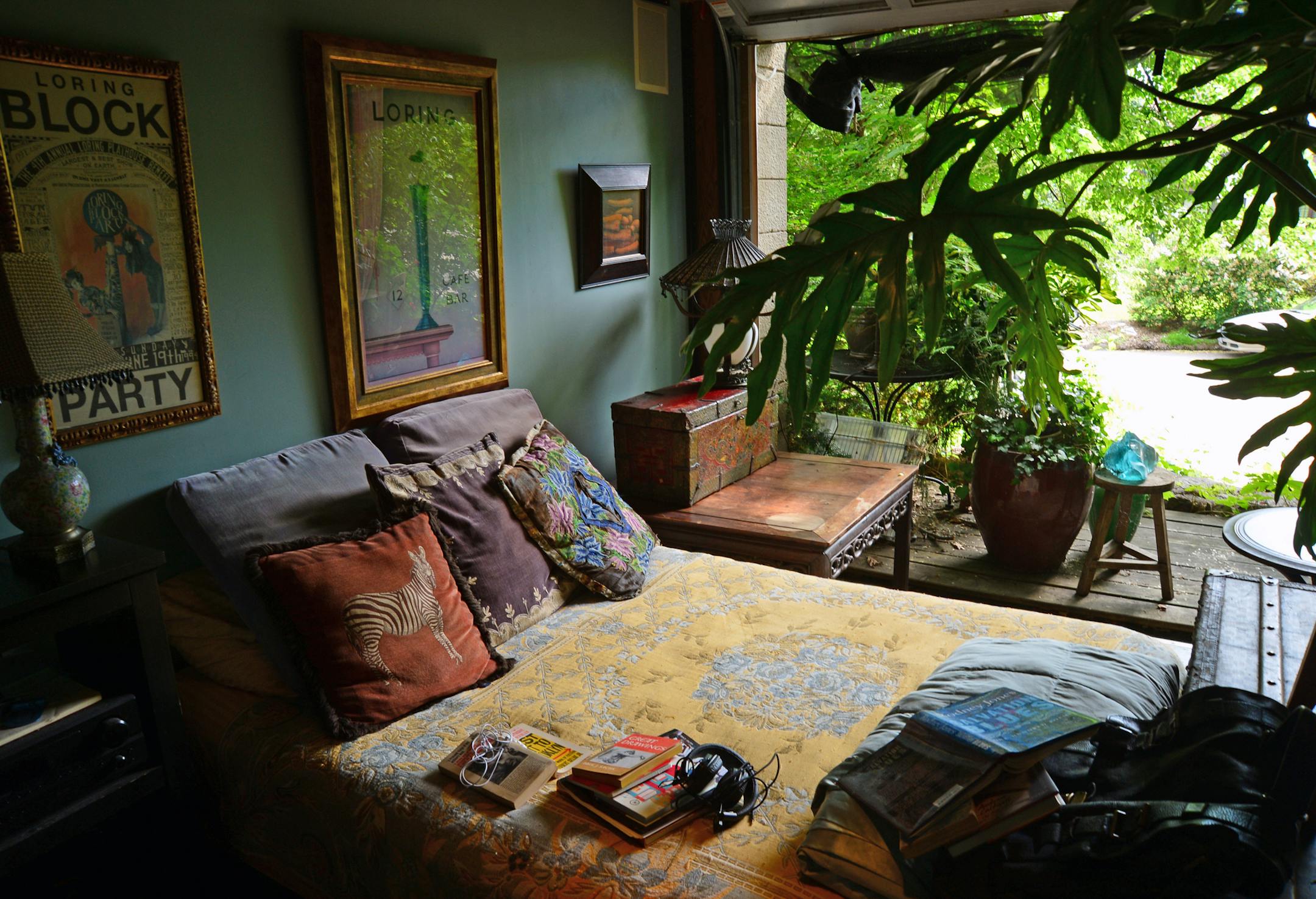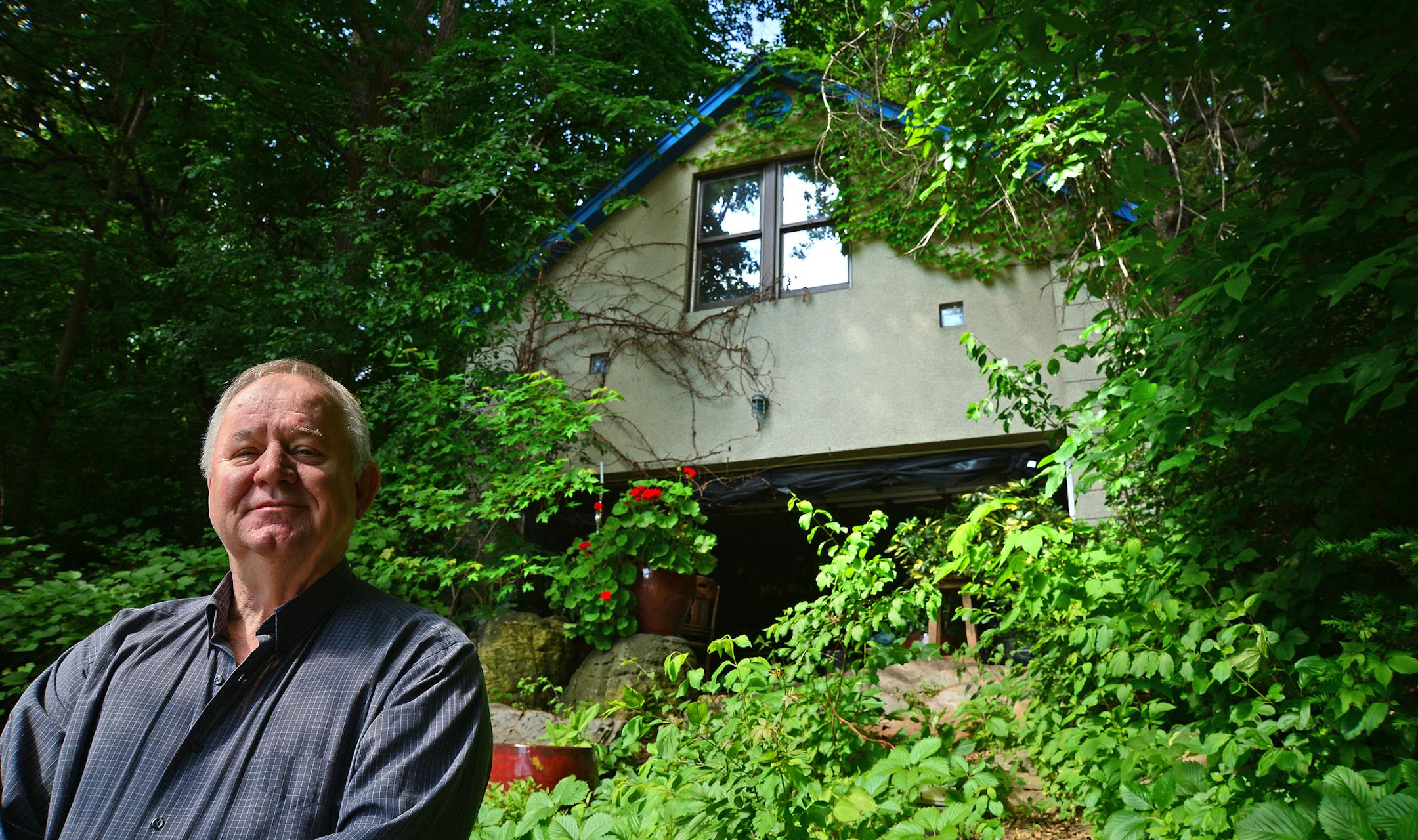
So-called "accessory dwelling units" (ADUs) are an old idea. In the 1890s they were called carriage houses and appeared along the alleys in back of the well-to-do homes, where they were often used as servants' quarters.
But after being banished in the years since, Minneapolis is looking at whether to join other U.S. cities in welcoming ADUs back as a means to accomplish smart-growth goals and appeal to changing demographics.
This is especially true in their role as "granny flats," in which homeowners in single-family-zoned areas are allowed to construct small additions with separate kitchens, entrances and bathrooms for aging relatives, or even to rent them out to provide extra income.
ADUs are popular in cities such as Vancouver, Seattle and Portland, Ore., where they are credited with transforming alleys into popular, walkable "lanes" and providing a means for families with limited finances to stay together in one spot even as they go through changes.
Backers say permitting ADUs will increase affordable-housing opportunities, give homeowners struggling with their mortgages a means to stay put and increase density in neighborhoods without having to build frequently controversial high-rise apartments.
Minneapolis, which currently allows ADUs only in the low-income Ventura Village neighborhood, is considering expanding their use as a permitted use as a way to provide housing alternatives for elderly residents who now must leave the city for senior housing in the suburbs, as well as to accommodate a growing population after decades of losing residents.
"It's on our radar," said Tom Streitz, the city's director of housing policy and development.
"We are actively in conversation about ADUs and more broadly about keeping seniors in the city. We're having a forum with developers next week to talk about new urban models for senior housing. We're exploring different housing types to accommodate all the growth in Minneapolis."