

Timing is crucial in the maritime world: Late-to-port means money lost. Cargill, an old hand in shipping, knows this well, and has decided to buy its first new vessels in years — at a time of rock-bottom prices.
Since 2001 Cargill, a major force in ocean shipping, has followed a strategy of exclusively chartering, or leasing, ships. But Cargill has recently signed a letter of intent with a Chinese shipyard to buy an undisclosed number of new vessels.
New vessels are selling at bargain prices because of a ship glut after the post-2008 meltdown in the global shipping business. But the industry seems to have hit its nadir, and long-term prospects for freight rates are finally improving.
"It is a good time to buy ships, " said Jurgen Sorgenfrei, a Frankfurt, Germany-based maritime economist with global research firm IHS Inc. While not commenting on Cargill directly, Sorgenfrei was referring to vessel and freight dynamics in key markets Cargill serves.
The Minnetonka-based agribusiness giant has long been involved in waterborne shipping, originally an outgrowth of its stature as a grain merchant. Today, about 30 percent of the company's ocean cargo is generated by its own operations; the rest comes from third parties. Dry bulk — the output of mines to farms — is Cargill's main calling card.
And at any given time, 400 to 500 Cargill-chartered ships are plying the world's seas. One might be carrying iron ore from Brazil to Thailand, another coal from Australia to China. And of course, there's grain, from ships departing the U.S. West Coast for Japan to occasional port calls in Duluth-Superior.
Privately held Cargill doesn't break out financials for its myriad businesses, but shipping looks like it's weathered the industry's storm. "Cargill Ocean Transportation has been a good business, even in the past couple of years," said Roger Janson, the Geneva, Switzerland-based head of the operation.
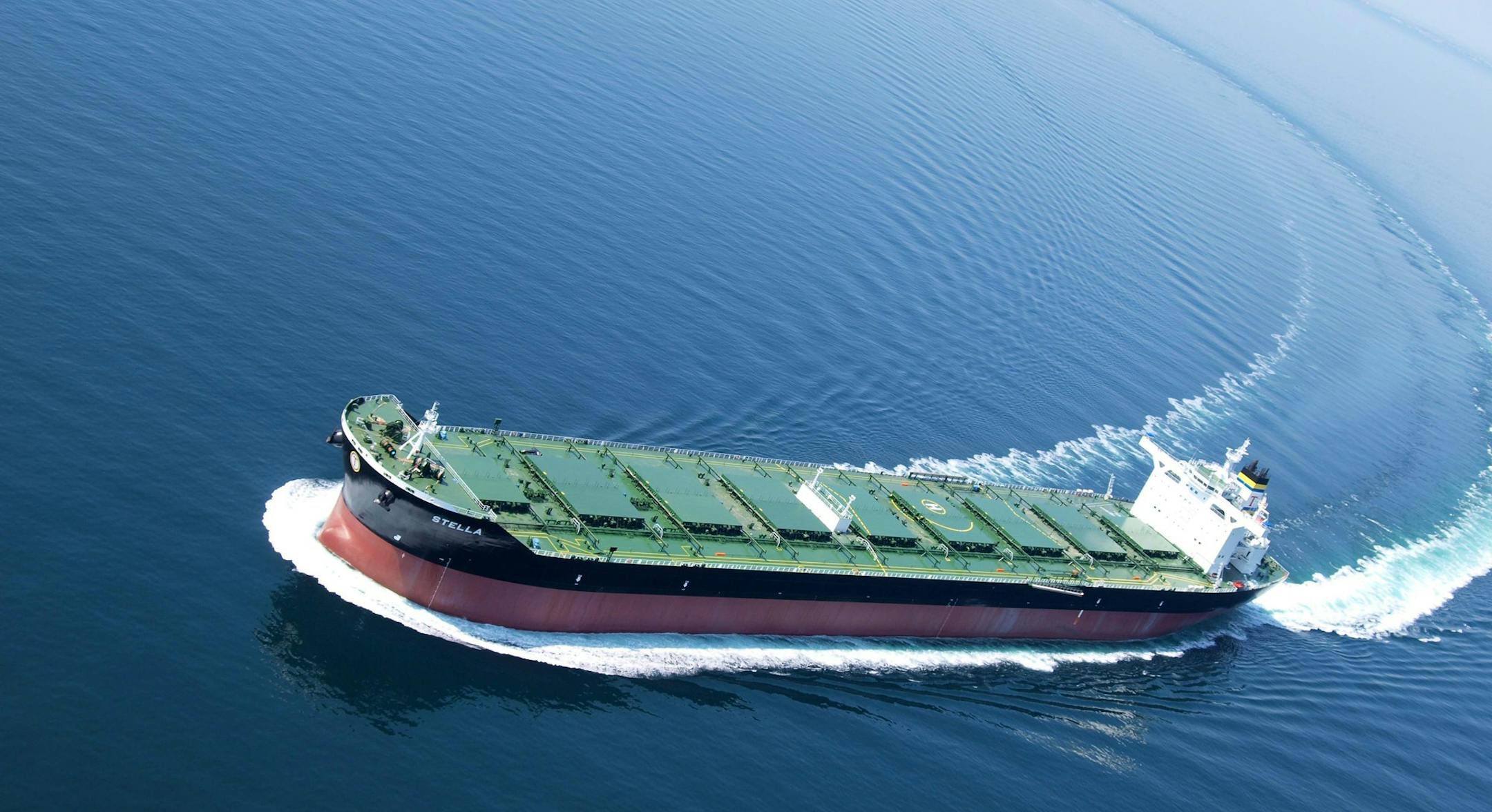
Cargill has formed a ship-buying venture with two other equity partners, whom Janson declined to name. The venture intends to purchase an undisclosed number of "capesize" ships. Such ships in today's market cost over $40 million. The builder is Shanghai Waigaoqiao Shipbuilding.


