

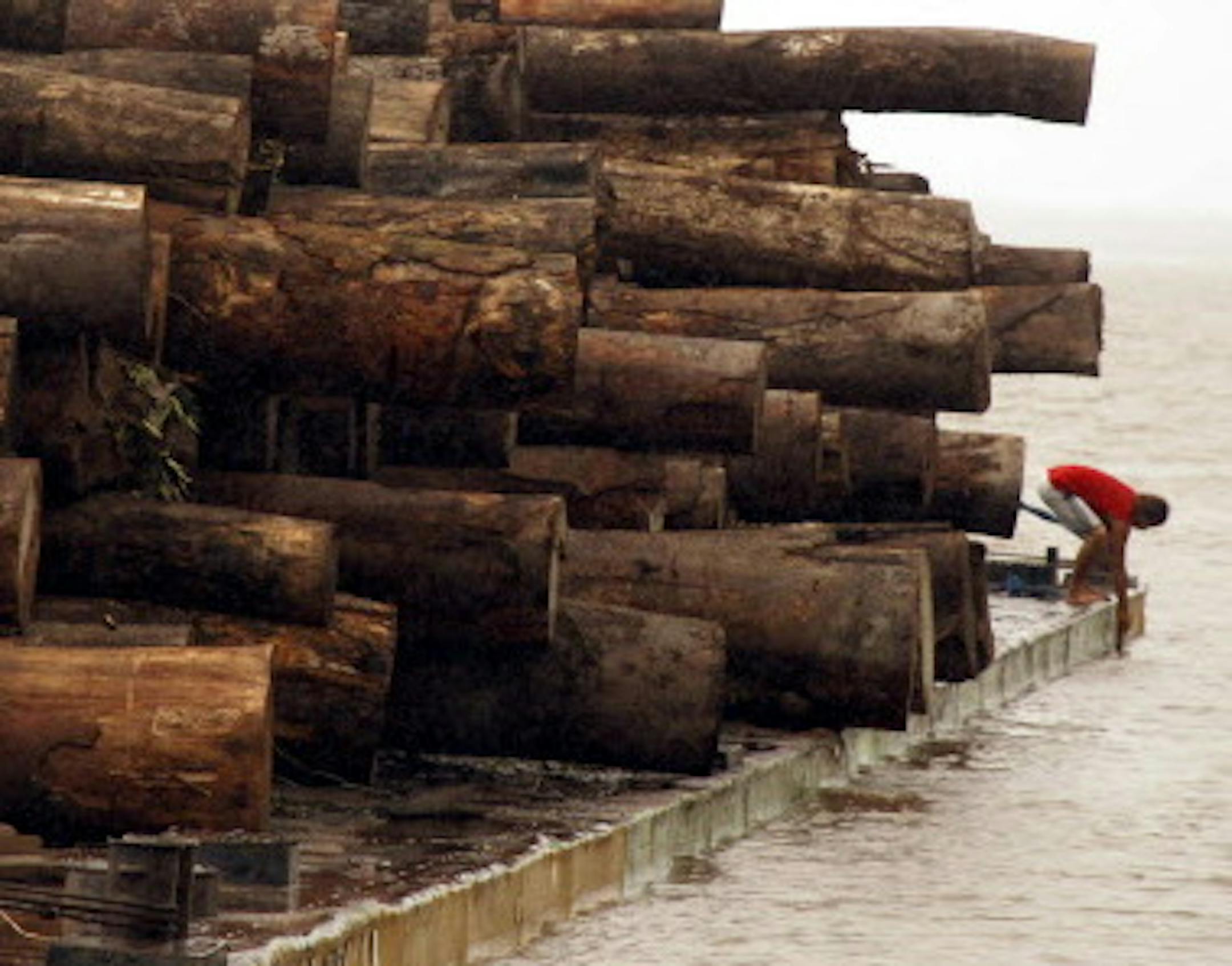
Cargill Inc., Wal-Mart Stores Inc. and two dozen more of the biggest players in food this week committed to keeping closer track of the supply chain in an effort to eliminate deforestation, especially in South America's Amazon region.
The companies — like chocolate-maker Mars, European big-box retailer Carrefour and agribusiness giant Bunge — announced the partnership Wednesday at the World Economic Forum in Davos, Switzerland.
Over the years, many global businesses have cleared large swaths of the rain forest to fill global demand for food and resources. According to nonprofit World Resources Institute, agriculture is responsible for 70 percent of all tropical deforestation.
Many international corporations now recognize that cutting down trees for farmland is not sustainable for the environment or businesses. Consumers increasingly expect to know where their products come from and the process through which they were made.
This agreement marks the next step for Wayzata-based Cargill in reducing the impact of its agriculture operations on the forests. Cargill already uses a technology, developed by Global Forest Watch, that assesses deforestation risk in their palm oil, soy and cocoa supply chains. This new alliance expands on that platform by allowing banks and companies to monitor the deforestation risks, through satellite imagery and real-time alerts, much like they track commodities.
Cargill's Chief Executive David MacLennan this week said in a column for the Huffington Post that "protecting forests is clearly the right thing to do." Coinciding with the Swiss summit, the company also published this week its first progress report on the goal of eliminating deforestation practices by 2030.
"On a recent trip to Brazil, we flew over the Amazon," MacLennan wrote. "Looking out the plane window, I saw an ocean of trees blanketing the ground below. But I also saw large patches of land that had been deforested to make way for farmland. And as much as I like to see farmland, since our business depends on sourcing crops from farmers worldwide, I'd be lying if I said I didn't feel a real sense of loss. ... Cargill knows preserving forests is imperative."
This new online data center is designed to give more insight and information to companies trying to change their practices.


