

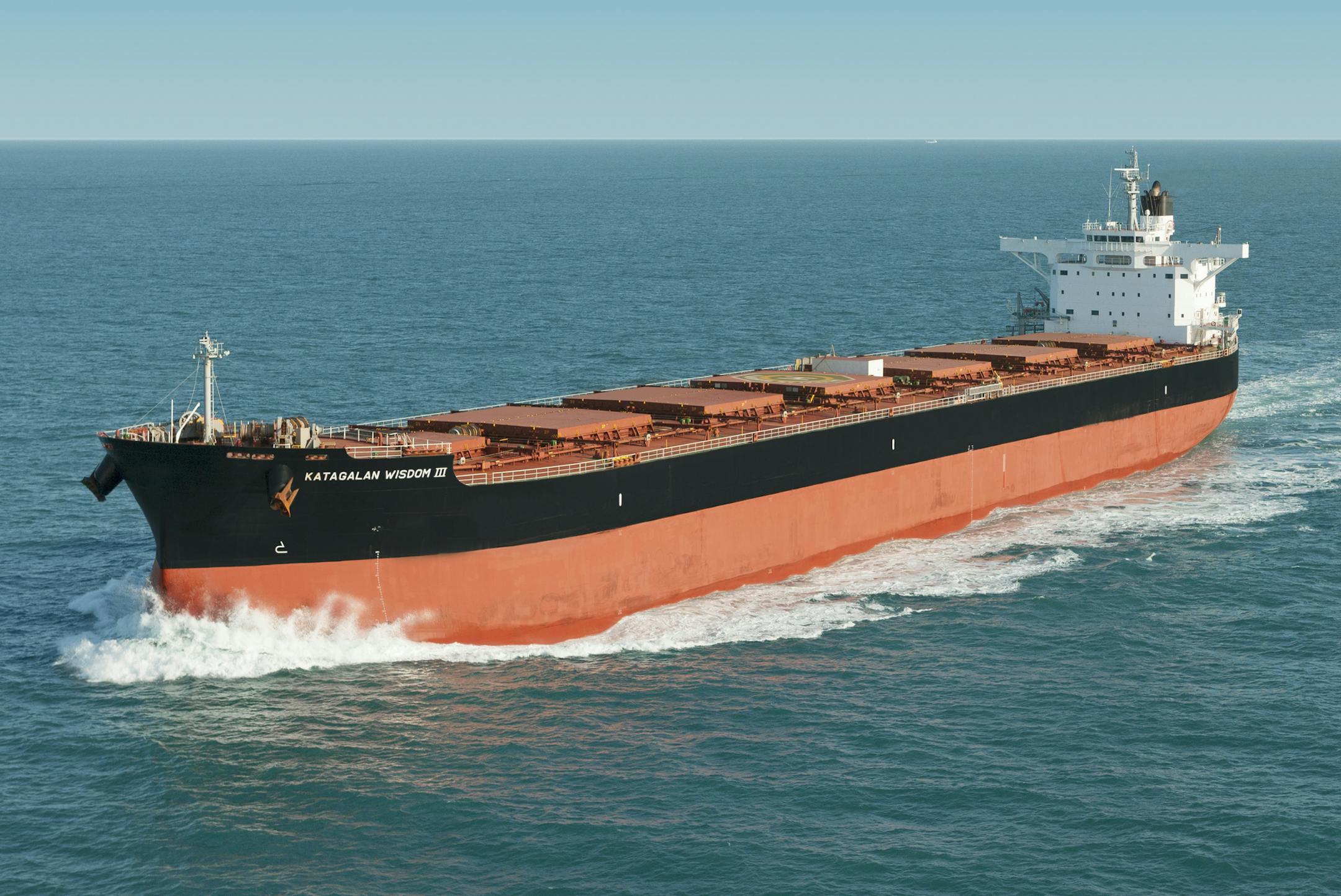
Cargill Inc., known for its land-based agriculture, is also a dominant presence on the world's waterways and is hoping to use its power position to clean up the ocean-shipping industry.
The Minnetonka-based conglomerate recently committed to reducing its greenhouse-gas emissions at sea by 15 percent in the next two years, but it's going to need help from its partners to achieve this.
The move was one of several goals outlined in a presentation to customers last month in New York, and follows a number of widespread initiatives aimed at reducing the environmental impact and improving worker conditions in ocean transportation.
Shipping is a major part of how Cargill fulfills its purpose of moving food around the planet. The company is one of the world's largest ship charterers, with 600 to 700 leased vessels floating in international waters at any given time. As consumers pressure food manufacturers to improve the environmental effects of their supply chain, many of these companies — which buy ingredients from Cargill — are looking for the agribusiness to help lower their carbon footprints.
It's a ripple effect that keeps going. Cargill doesn't own any of its fleet, meaning the owners of the ships that Cargill leases also need to change.
"We have a strong drive within Cargill to create sustainable supply chains, and shipping is a part of that," said Jan Dieleman, president of Cargill ocean transportation. "We are not the ones paying the crew, so that makes it sometimes a bit more complex. So we have to go through the owner."
Cargill partnered with nine nonprofit or trade organizations to develop the benchmarks outlined within a 25-page report the company will use to grade itself and its ship suppliers on issues ranging from port corruption to gender equality and invasive aquatic species.
Shipping is a mysterious industry, operating largely out of the public eye, but its reach is vast. About 80 percent of all global trade crosses a body of water aboard ships, according to the United Nations Conference on Trade and Development 2017 report.



