

Canada's taxpayer-funded health care system has many benefits, but its painfully long wait times to see a doctor isn't one of them. This is where innovators like Felix Health see the potential for disruption.
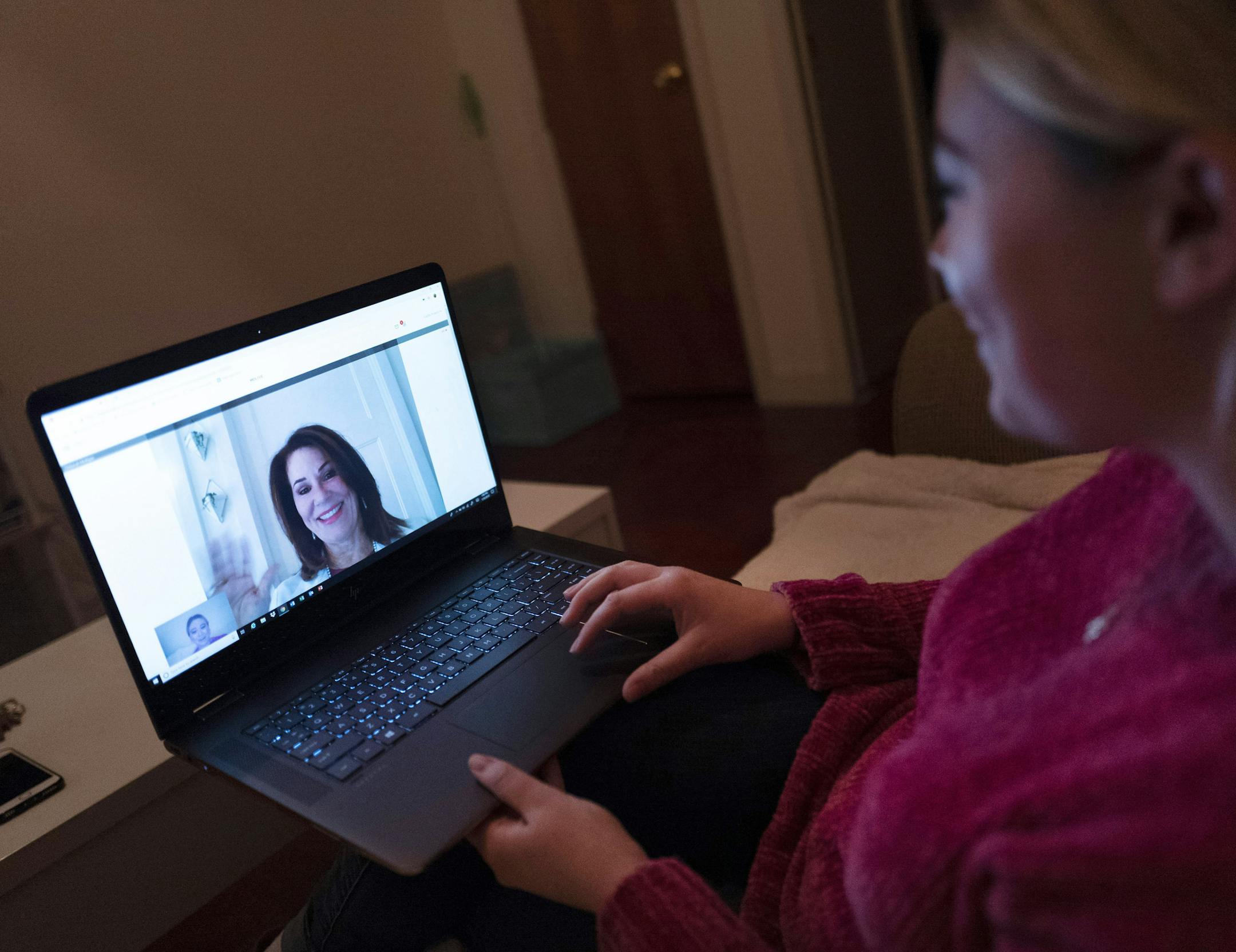
The seven-month-old firm offers the first "asynchronous" health care service in the country, where a patient and a doctor don't need to meet in person to discuss a diagnosis.
Instead, a patient creates an account with Felix and fills out a 15-minute questionnaire. A doctor in Felix's network reviews it and makes a decision on whether to fill out a prescription, which is sent to a pharmacy for pickup or for shipment within 48 hours.
"It is a great experience where the patient is only dealing with one service provider the whole way through, and it creates a level of care that is extremely consistent, predictable and safe," Kyle Zien, Felix's co-founder and chief executive, said in an interview.
Felix is the latest among a slew of startups looking to shake up a single-payer system that some U.S. Democratic presidential candidates, including Sen. Bernie Sanders, I-Vt., are seeking to emulate. Many are taking a direct-to-consumer approach to health care to eliminate cumbersome wait times or offer medical support in remote areas with few doctors.
Some have received funding, with Felix raising $568,000 (U.S dollars). Montreal-based Dialogue Technologies received $30 million last month in a funding round led by a Canadian pension fund and a German investor.
Maple Corp., often considered the pioneer in the recent wave of telemedicine startups in Canada, raised $3 million in March 2018 from a group of investors including MaRS, a Toronto-based innovation hub.
In a 2017 study by the Commonwealth Fund, a U.S. foundation focused on health care research, Canada ranked the worst among 11 high-income countries on doctors' same-day responses to patient questions, wait times for emergency room care, specialists and elective surgery.



