

Opinion editor's note: Star Tribune Opinion publishes a mix of national and local commentaries online and in print each day. To contribute, click here.
•••
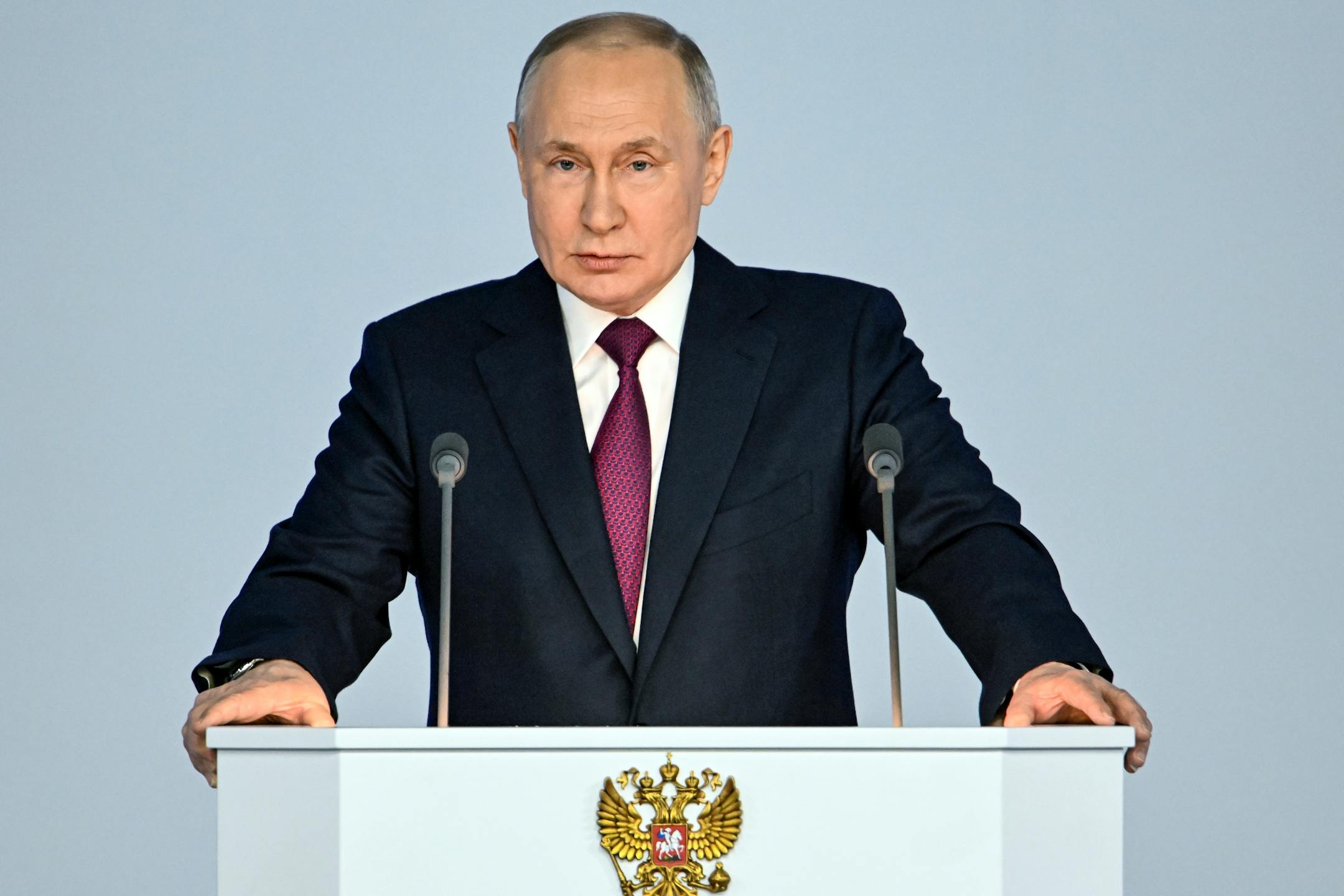
The International Criminal Court's March 17 decision to issue war crimes charges against Russian President Vladimir Putin was shocking in more ways than one. This was the first time in 12 years a head of state has been charged by the international court; in 2011, Libya's Moammar Gadhafi was indicted on two counts of crimes against humanity for his indiscriminate crackdown on protests. Gadhafi, however, was a tinpot dictator of a small, largely inconsequential North African state — not a major player in the international system ruling one of the world's largest oil and natural gas producers, with nearly 6,000 nuclear warheads to boot.
Theoretically, every country on the planet now has a choice to make: If Putin happens to set foot on their soil, will they abide by the ICC and formally arrest him, or will they give the Russian strongman a degree of sovereign immunity and allow him to pass through?
For countries in the West, this isn't much of a question — Germany, for instance, wasted no time reminding people that it would be obligated to hand Putin over to The Hague if he were stupid enough to land on German territory. Others such as South Africa that are state parties to the court but are nonetheless skeptical of its remit may make a different calculation. There was a time not so long ago when South Africa permitted then-Sudanese President Omar al-Bashir, wanted for crimes against humanity in Darfur, to enter and leave the country unhindered.
While the ICC is empowered to issue what amounts to global arrest warrants, it has zero power to apprehend suspects. It relies on the participation of its members to do the enforcing. Yet, as shown in the Bashir case, states aren't objective observers of transnational justice but entities with multiple priorities, one of which may include holding perpetrators accountable.
There are also a number of states that don't believe the ICC should have the power to supersede the authority of national courts — the U.S., for instance, has its own troubled, complicated history with the court and strongly believes it has no right to charge its citizens. The ICC indictment, therefore, will complicate Putin's travel plans, but it's unlikely he will be brought to the defendant's box as long as he avoids travel to countries that have signed up to the court's Rome Statute. (Luckily for Putin, China and Iran, his most important partners, aren't on the list.)
There are other options for holding Putin accountable, but these are also riddled with procedural complications. The ICC can open a case against a nonstate party if authorized by the United Nations Security Council, which is precisely what happened against Sudan's Bashir. But Russia is a permanent member of the council, so it can squash those kinds of requests out of self-preservation.


