

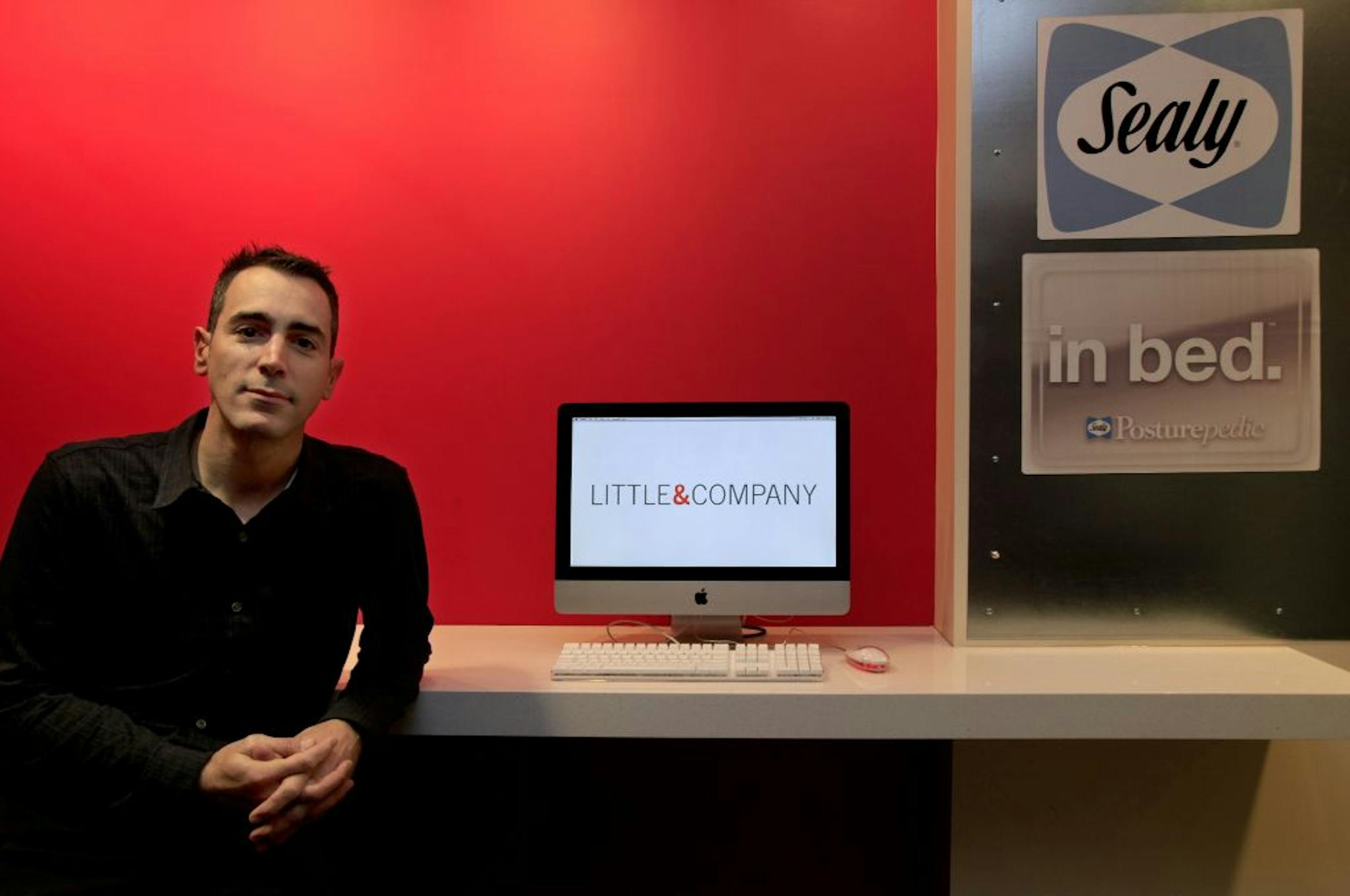
Little & Company has a unique role in the world of marketing. It is a Minneapolis-based firm that floats between agency status and the role of consultant. It helps other companies with designs for their brands. It helps provide sales tools for staff on the showroom floor.
Launched in 1979 by founder and board chairman Monica Little, Little & Company is a 30-member organization with annual revenue in the neighborhood of $7 million.
Its roster of clients range from Target to Microsoft to Wells Fargo. It recently took on Sealy, the No. 2 two mattress seller in the United States, as a client.
Little & Company President Joe Cecere sat down last week to discuss the firm's latest works and retail trends.
QLittle & Company just added Sealy to its client roster. What is your assignment with them?
AOur main assignment is to relaunch the Posturepedic brand in January. The bedroom is the second most popular gathering place in the home after the kitchen. You spend a lot of life there and you should enjoy it. We want to add some sassiness to the dry, stale mattress market. We've found that the stores are confusing and lack inspiration. There are a lot of mattresses to look at and the public doesn't know what the different features and benefits mean to them. One of the big challenges is that mattresses are mainly sold through independent distributors so the manufacturer can lose control of the brand. The sales associate needs the right materials to represent and articulate the brand. It's important to get away from the technical data and get to the emotional core. It's about lifestyle. It's important to get that story out and update the Posturepedic brand.
QHow do brick-and-mortar retailers survive in an Internet economy?
ABrick-and-mortar settings are more important than ever. Consumers still like to go to a store and have that shopping excitement, the thrill of the find. The store purchase is still only part of the shopping experience. The best retailers have a robust site to start the process. You have associates prepared to represent the brand and post-purchase follow-up to have the consumer become a brand advocate. Bricks and mortar and the Internet go together.



