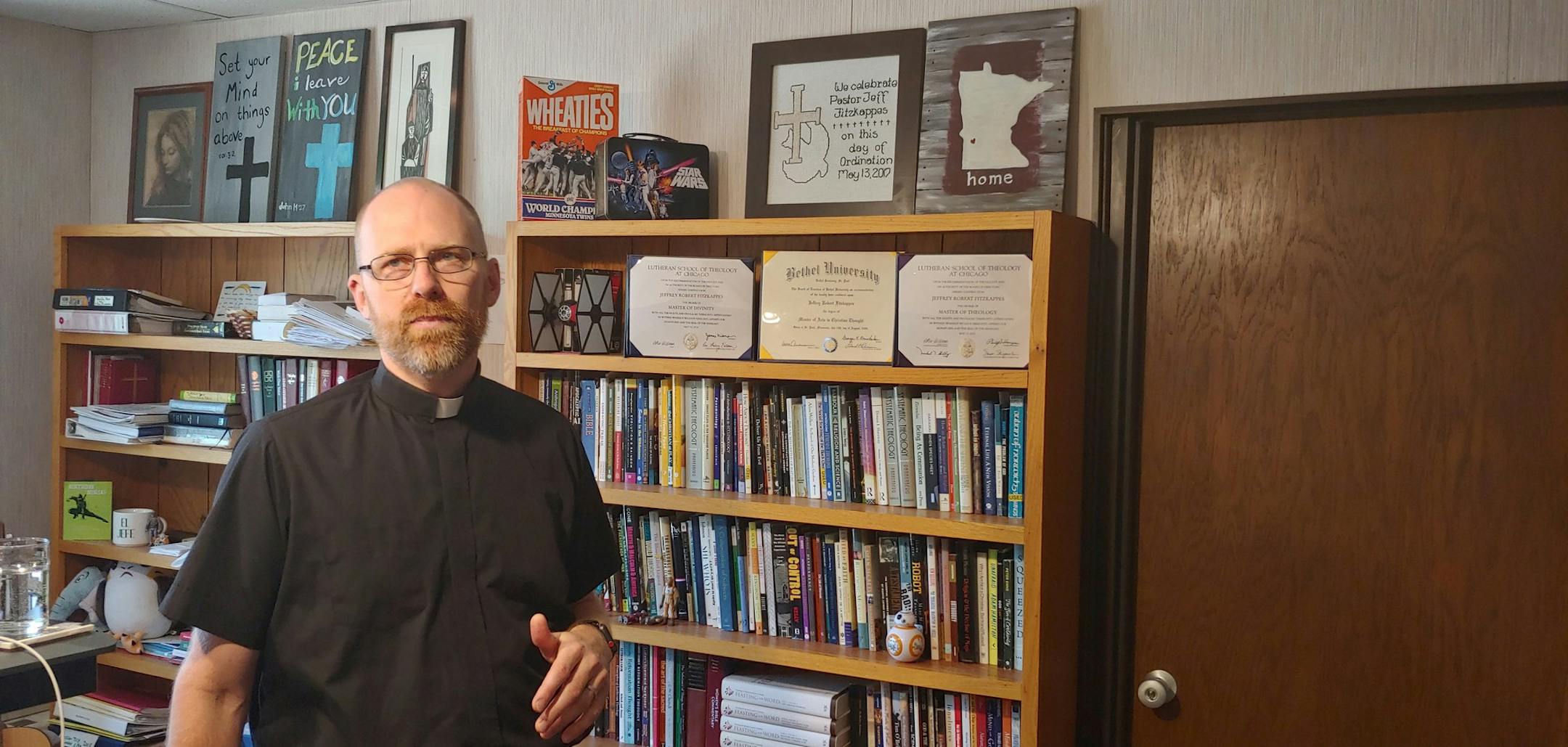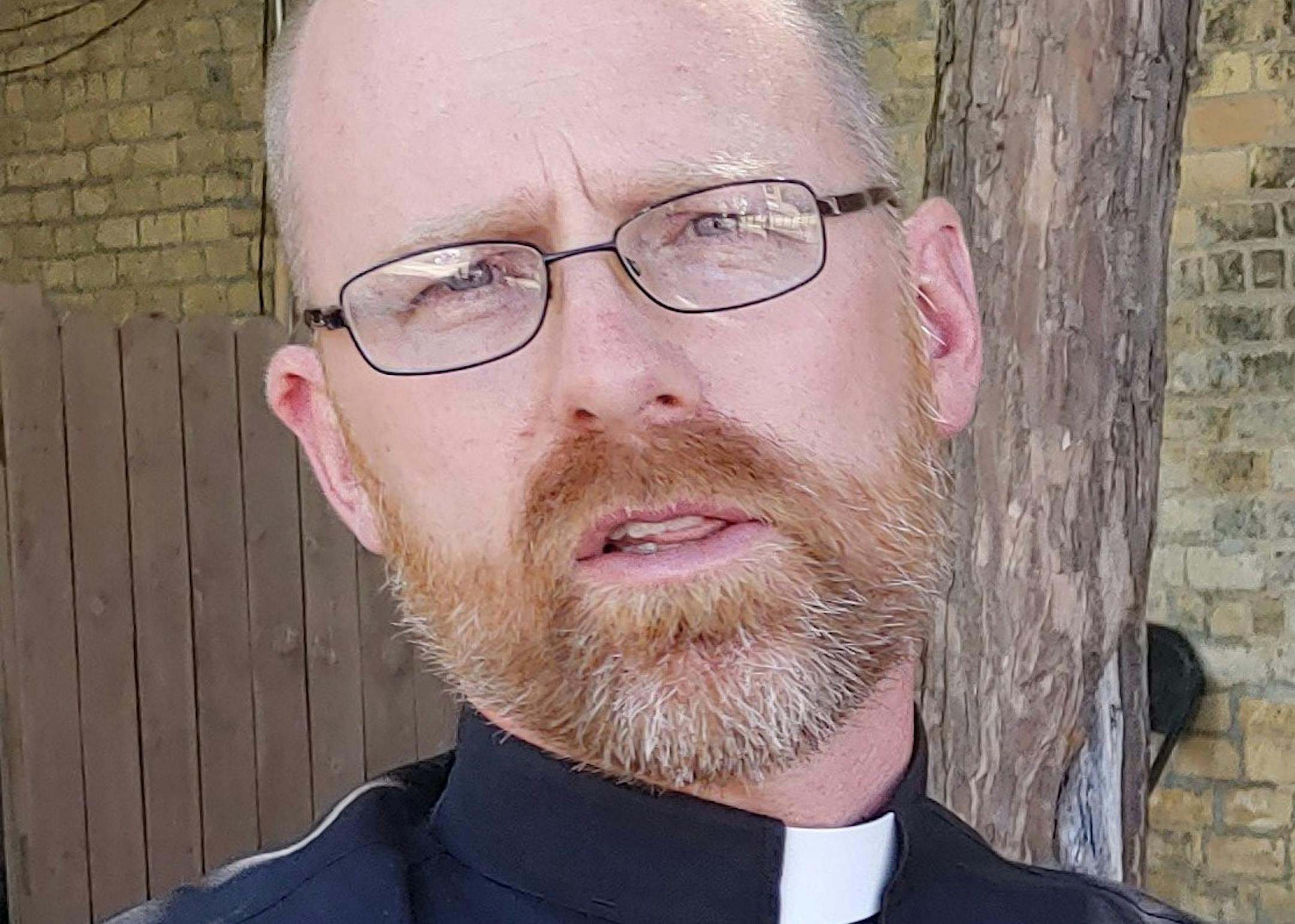
MONTEVIDEO, MINN. – When the Rev. Jeff Fitzkappes is preaching about social justice in this western Minnesota city, he knows when he's pushing the limits.
There's one church member who will start "sliding down in her pew" when things get uncomfortable, Fitzkappes said: "I've kind of used her as a barometer."
Fitzkappes may see more sliding parishioners in the days to come. As the state — indeed, the world — grapples with the issues raised by the death of George Floyd at the hands of Minneapolis police, this small-town Lutheran minister is challenging his largely white community to take responsibility for the ingrained societal racism that has left so many people of color in Minnesota worse off than white citizens.
It's a message that can be a tough sell in the state's rural areas, Fitzkappes and others said. While individual racism may be frowned upon, many people in the state's overwhelmingly white areas haven't really considered how they've benefited from generations of membership in the state's dominant culture.
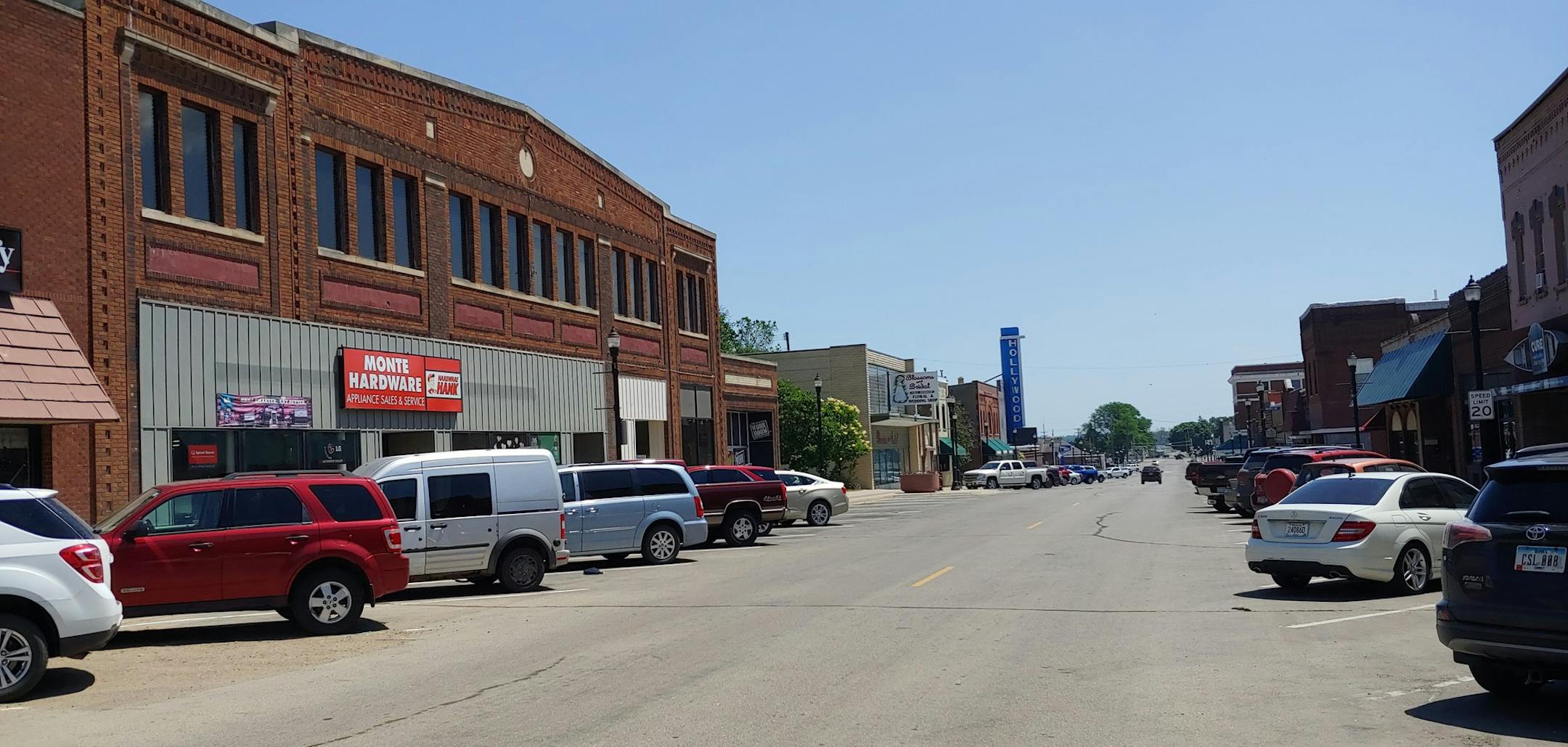
In this prairie town of 5,100 where the Chippewa River joins the Minnesota, some 130 miles west of the Twin Cities, 90% of the residents are white, and many families have lived here for generations. That can make racism a hard topic to tackle, Fitzkappes said, drinking coffee in an outdoor courtyard at the Java River Coffee Shop downtown, where the reviving main street is dotted with Mexican restaurants and ethnic grocery stores.
"If you jump out and shame people, it just shuts down conversation," he said. "It's a balance."
'I made my own way'
Rural Minnesotans pride themselves on hard work as the solution to all problems and sometimes can't understand why others struggle, said Reed Olson, a Beltrami County commissioner who was on the losing side of a vote earlier this year that banned refugee resettlement in the county.
"I think people are so set on the 'I made my own way' narrative," Olson said. "And never mind that I'm a third-generation business owner, and that my grandfather was able to get a loan at a time when a black man or a Native American wouldn't have been able to."