

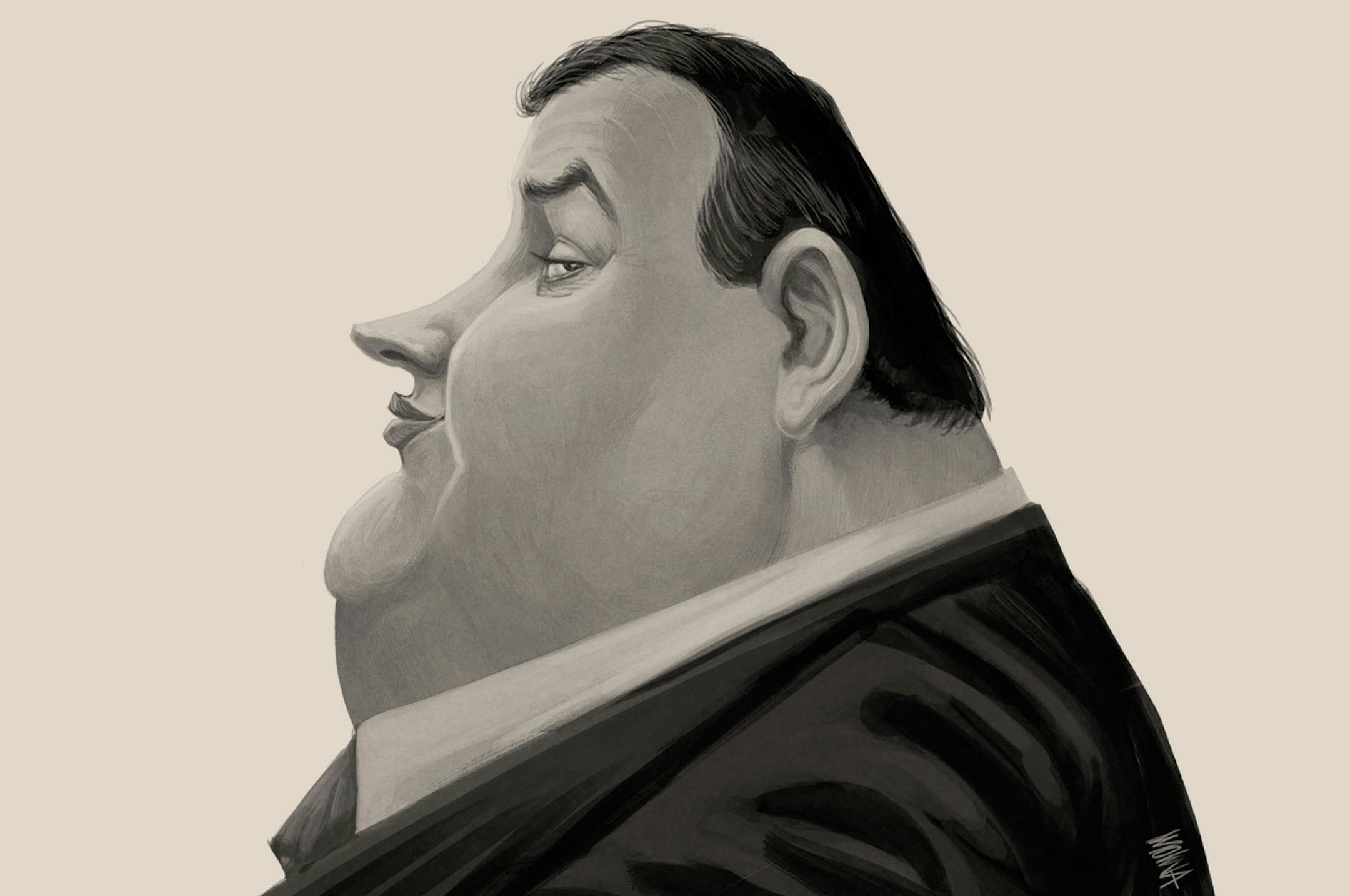
When one election booth closes, another opens. Now that New Jersey Gov. Chris Christie has been re-elected, he begins his race for the White House.
Wherever he falls in the ultimate order of GOP candidates trying to win their party's nomination, Christie will occupy a familiar historical spot: the untested juggernaut. His advantages for the 2016 presidential race are many: He's a media darling, can raise boatloads of cash, has a plausible nomination story, and he's an exciting and forceful personality.
But like other high-expectation candidates, he has also never been tested in the unique crucible of a presidential campaign. Christie is a volatile hothead about to enter a process that makes the most even-tempered fly off the handle. Primaries are irritating, petty and grueling, and 2016 could be particularly brutish if it turns out to be the grand reckoning in the GOP's civil war over the soul of the party. As the establishment's man, Christie will face tests a lot more challenging than the Garden State's Democratic Party.
The Christie bedtime story being sold by his staff is that he can do for Republicans nationally what he has done in New Jersey — govern as a conservative, even in a state with 700,000 more registered Democrats than Republicans, and win bipartisan love along the way. In a country thirsty for pragmatism and progress, he is the top dog among Republican governors selling themselves as the competent conservative cousins to the backward and grumpy relations in Congress.
After losing the popular vote in five of the last six elections, Republicans want a winner. "Sometimes, I feel like our party cares more about winning the argument than they care about winning elections. And if you don't win elections, you can't govern," Christie told CNN's Jake Tapper on Tuesday. If you need proof of what the alternative political strategy looks like, Gov. Christie would like to introduce you to the darling of the party's hard-core conservatives, Virginia's Ken Cuccinelli — the governor of nothing.
It's a compelling pitch, but it isn't going to spare Christie a fight that will test his temperament. He could very well survive the Republican primaries just fine — the GOP has tapped the establishment candidate more often than not — but does he have the skills to emerge from the warping primary process with his pleasing bedtime story intact? That challenge may be particularly acute in Christie's case: Grass-roots Republicans are trying to look into candidates' souls, and Christie's can be a volatile place. Bombast and periodic eruptions are part of Christie's act, but what is that going to look like when he pops off at some conservative activist?
What issue is likely to trip up Christie? He's prolife and against gay marriage, which would suggest he should fare well with cultural conservatives. His trouble will come from his request for relief money to fight the effects of Hurricane Sandy and accepting federal Medicaid money as a part of the Affordable Care Act. But to dissect the issues puts too much emphasis on them. The overarching worry among conservatives will be that no matter what the issue, a man who makes such a fetish of his ability to work with Democrats is going to sell out conservatives in the end.
This tension has been at the core of the fight between the Republican Party establishment and grass roots since the 1940s. Sometimes that fight is about policy, but often the candidates are so close in their positions that the fight is more about personality and tactics.


