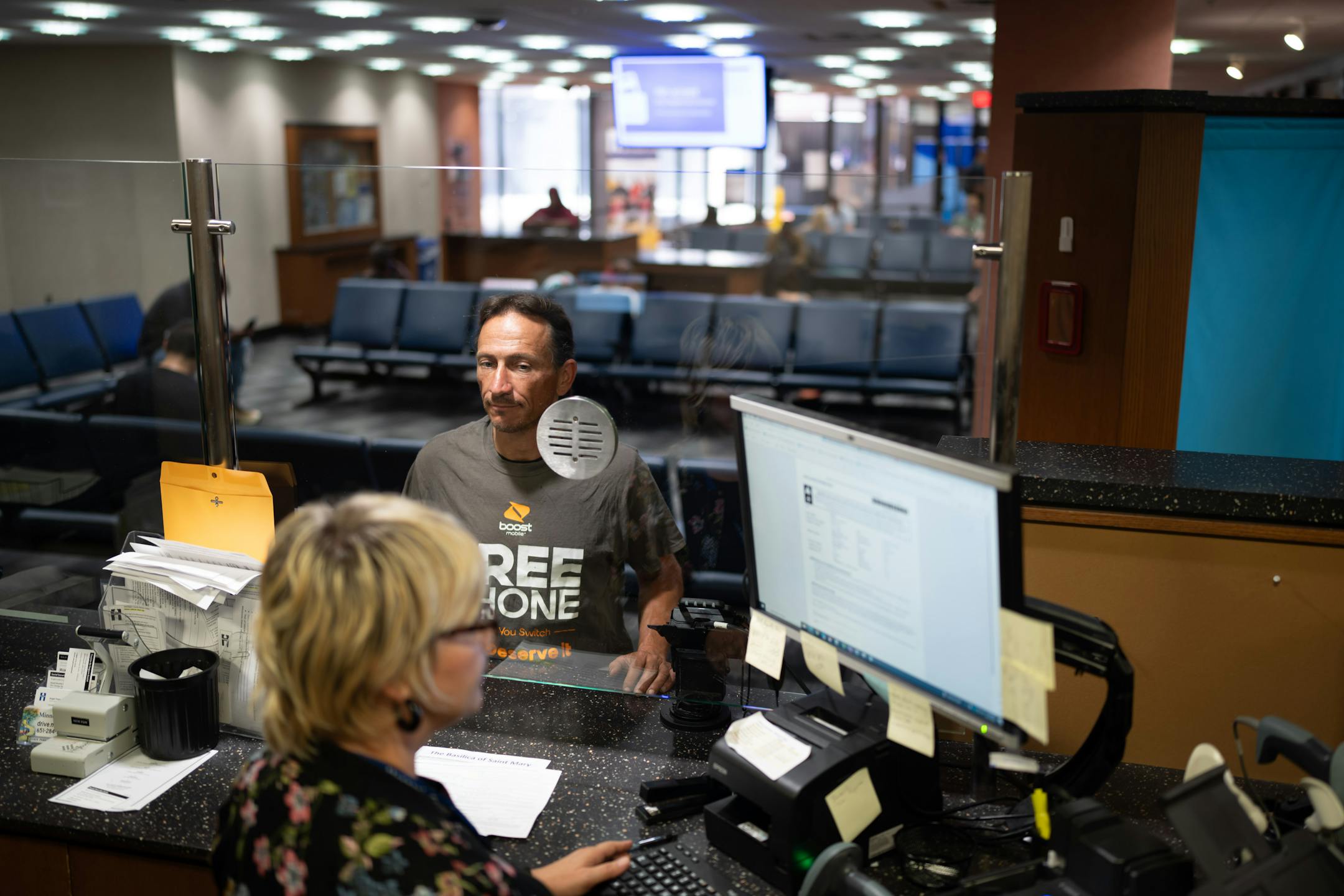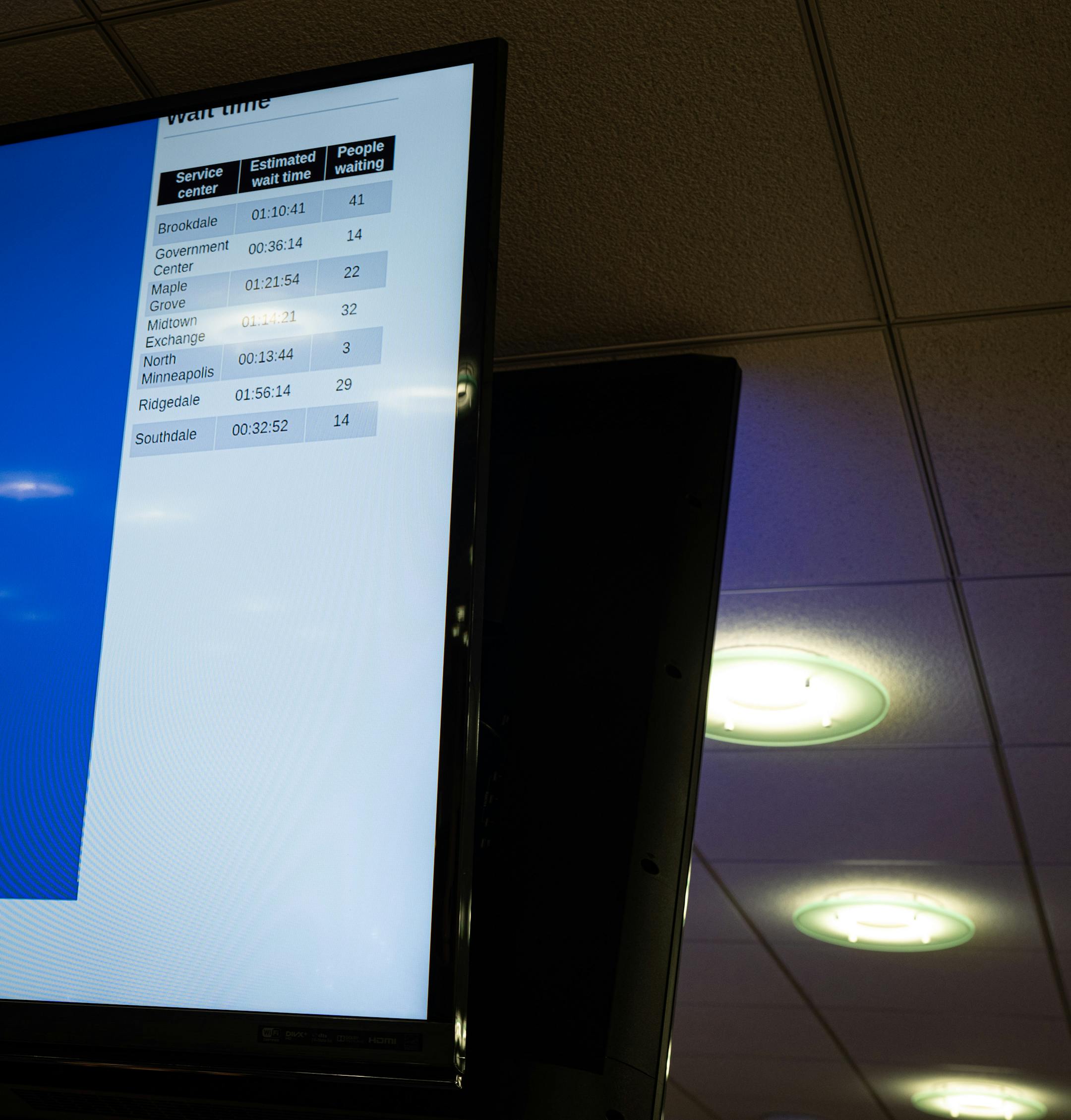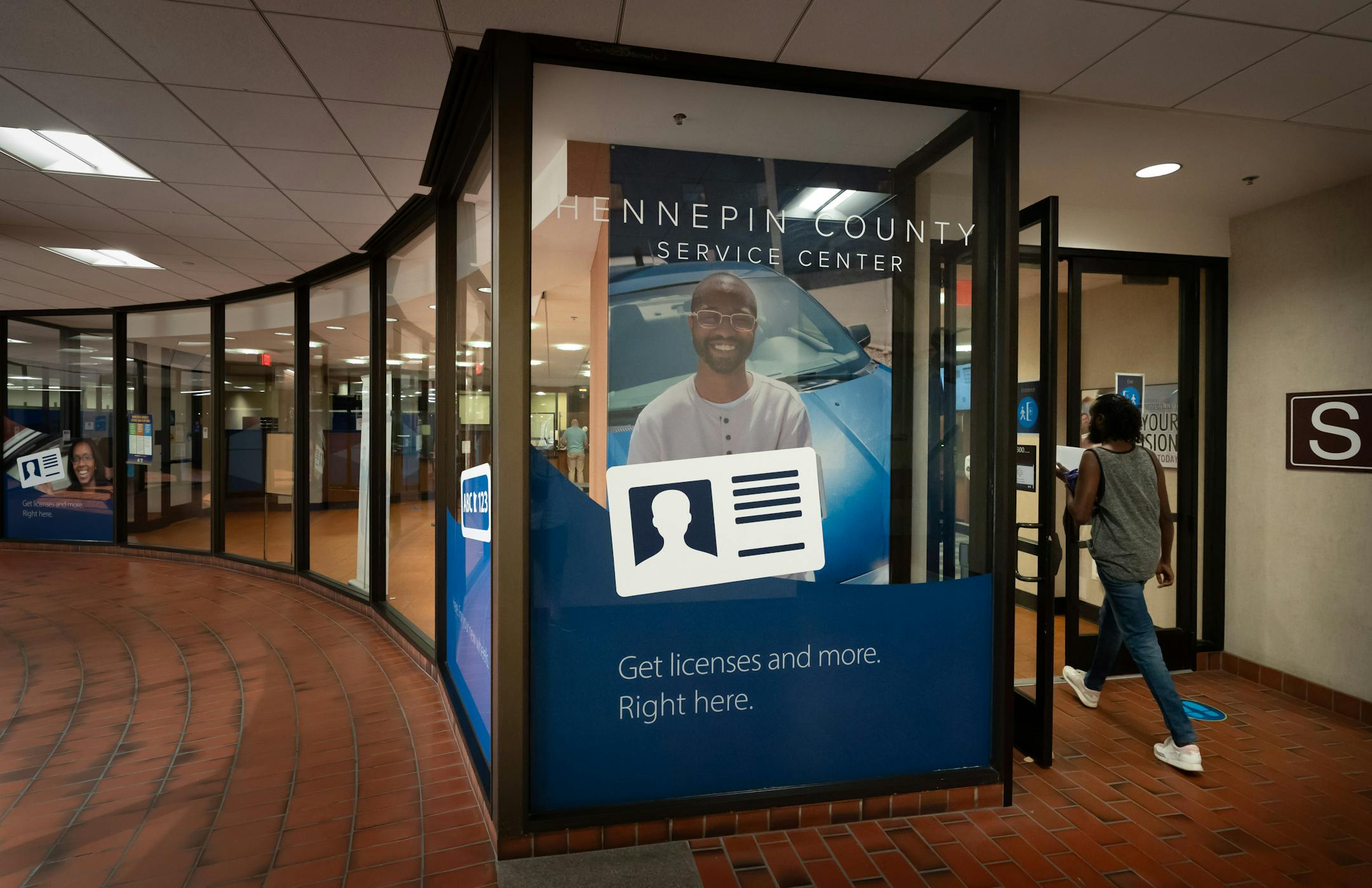
Hennepin County officials are finally deploying a data analytics system businesses have used for years to understand how customer behavior impacts the bottom line.
It's an approach typically seen in the health care industry, where providers track a patient's journey from check-in to discharge to determine how efficiently hospitals and clinics are functioning, which not only improves patient care but also reduces costly errors. Retailers use it, too. They analyze data on shopping habits to decide which promotions to run and when, which marketing campaigns are most effective and how to adjust return policies.
It wasn't until the county's top data scientist listened to a presentation from an executive at Optum — a health care services provider — a few years ago that the concept seemed applicable to the public sector as well.
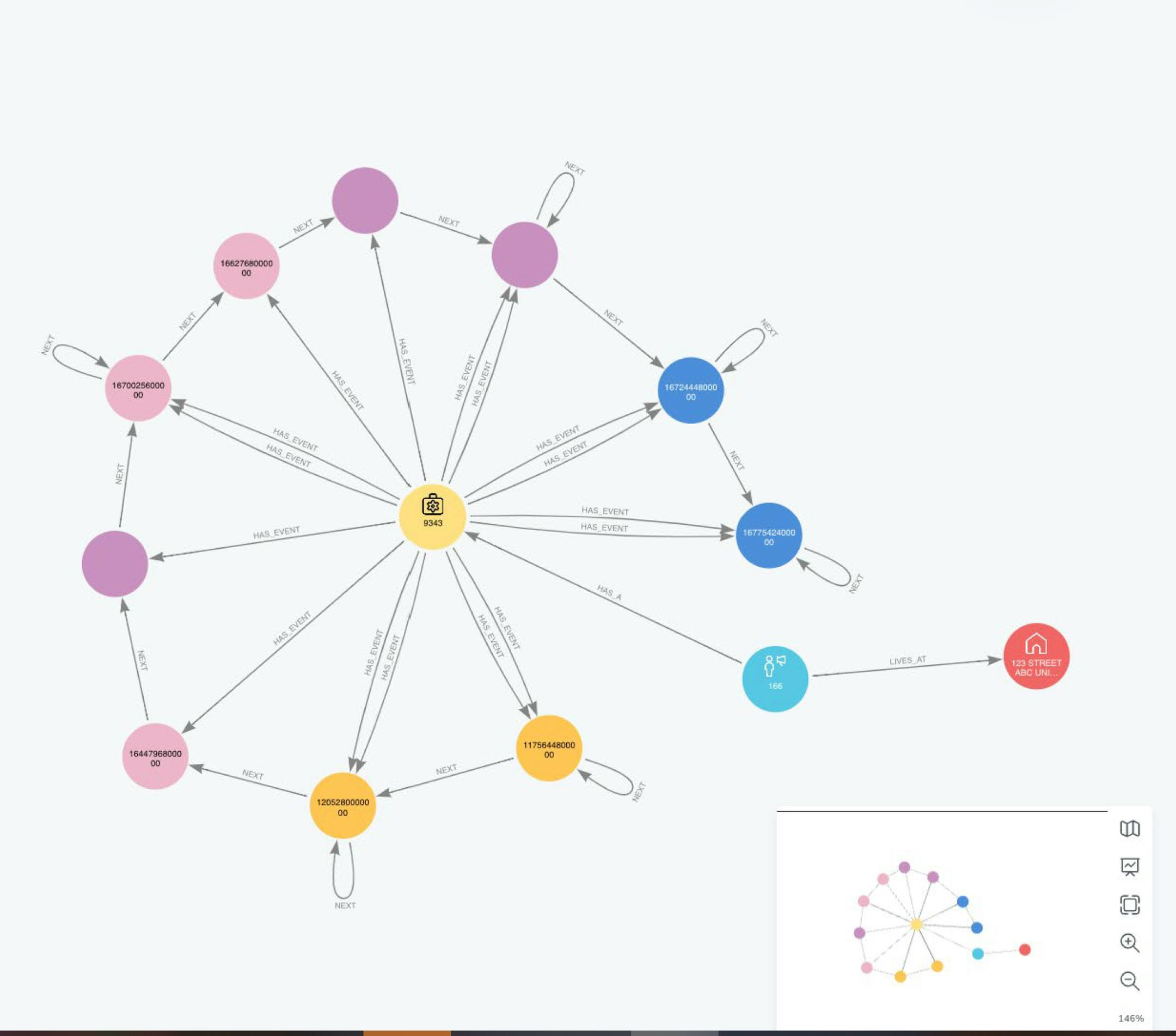
For the past few years, the county's data science team has been developing a customer journey mapping system that will summarize — in a secure and privacy-forward way — the movement of citizens through the county's seven lines of business: disparity reduction; health; human services; law, safety and justice; operations; public works; and resident services.
The county's mapping system will likely launch later this year.
In the long-term, county officials hope the ability to make data-driven decisions will greatly improve quality of life for residents. In the short-term, it will inform decisions behind budget adjustments to expand, or wind down, various programs, Hennepin County Administrator David Hough said.
"We collect money from our residents, and in order to justify the use of those dollars, a lot of people expect you're going to be able to present data and show why are you doing this," he said.
The old way
Annually, hundreds of millions of dollars funnel into programs — designed to provide transportation, housing and food assistance, health services and employment training, and more — for Hennepin County's 1.26 million residents.