

One of the core promises of a brand is that it will reduce uncertainty for consumers and eliminate some stress in their everyday decision making. When brands are distinctive and different, conventional wisdom holds, it's usually easier to make a choice: Do I shop at Target or Wal-Mart?
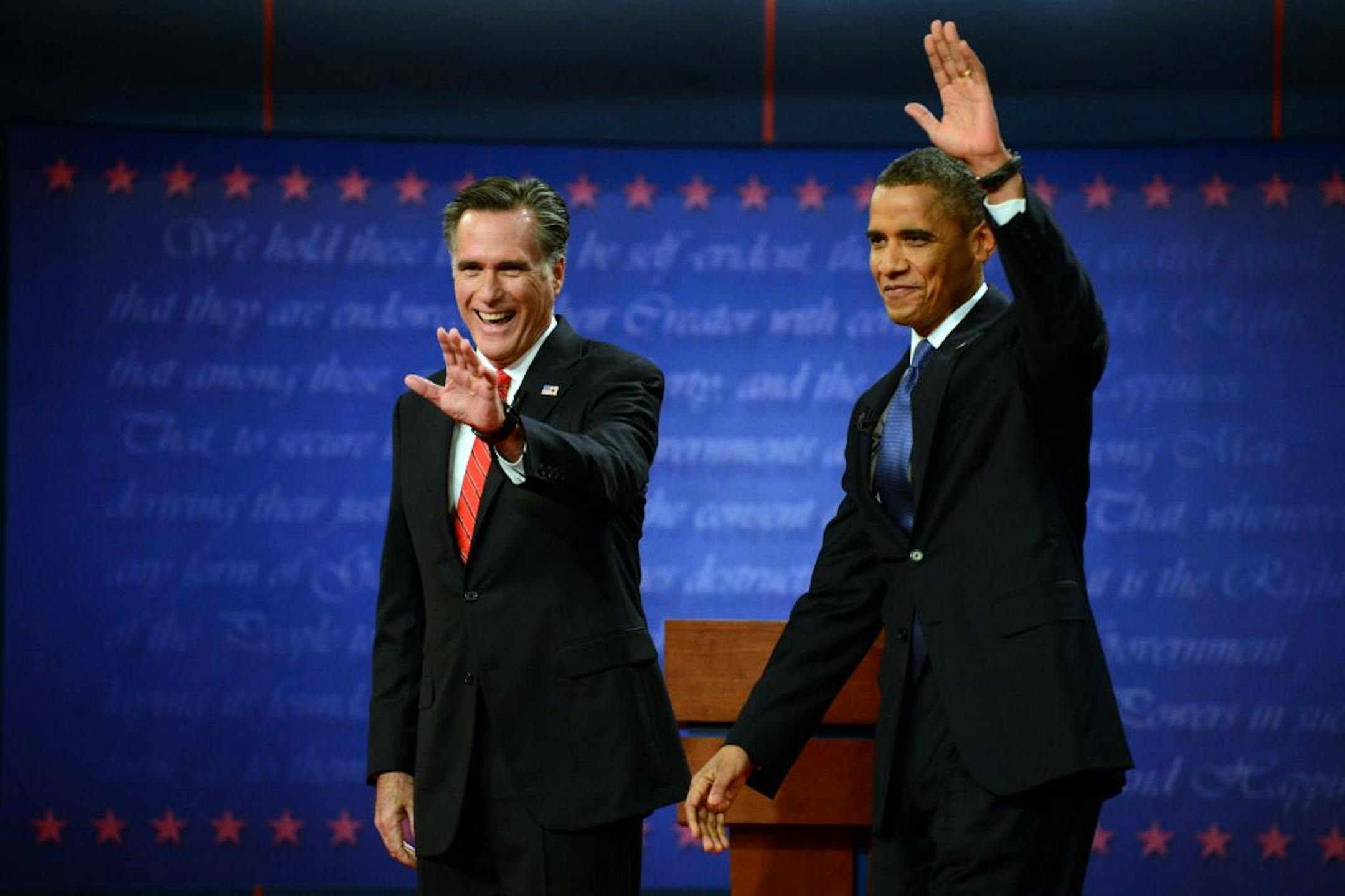
With 30 days until the presidential election, it's has become clear that while President Obama and GOP candidate Mitt Romney offer two distinctive "personal brands," neither candidate seems to be delivering on that universal promise of a brand.
Romney is the technocrat "fixer" whose clinical, efficient style detracts from his personal approachability. Voters may believe the Romney brand can solve the problem, but wonder whether the "solution" is designed to benefit a certain select group and leave most others behind.
Obama has high likability, but he is not perceived to have the technocratic skills to solve the most compelling problem facing the country -- the economy. Voters wonder whether his brand's egalitarian focus ultimately will produce a solution that's too little, too late for all.
Two distinctive brands, yes. But for many people there's no clear choice and no less stress. To accomplish that, the candidates must achieve three crucial brand qualities:
Being the brand of choice requires more than being distinctive. Being perceived to be different is not the same as being perceived as one who can make a difference. Making a difference has enduring value; merely being different loses appeal over time and, at some point, becomes annoying.
Becoming a strong, valuable brand requires a person or product to be perceived as distinctive, relevant and consistent.
Being the brand of choice requires making a difference on terms a consumer can relate to while also building the trust that the brand will deliver predictably and consistently.


