

Two decades ago, President Bill Clinton signed the federal Family & Medical Leave Act (FMLA), which allows employees in midsize and large workplaces to take time off for health-related reasons. It has been one of the most effective and efficient employment laws ever passed.
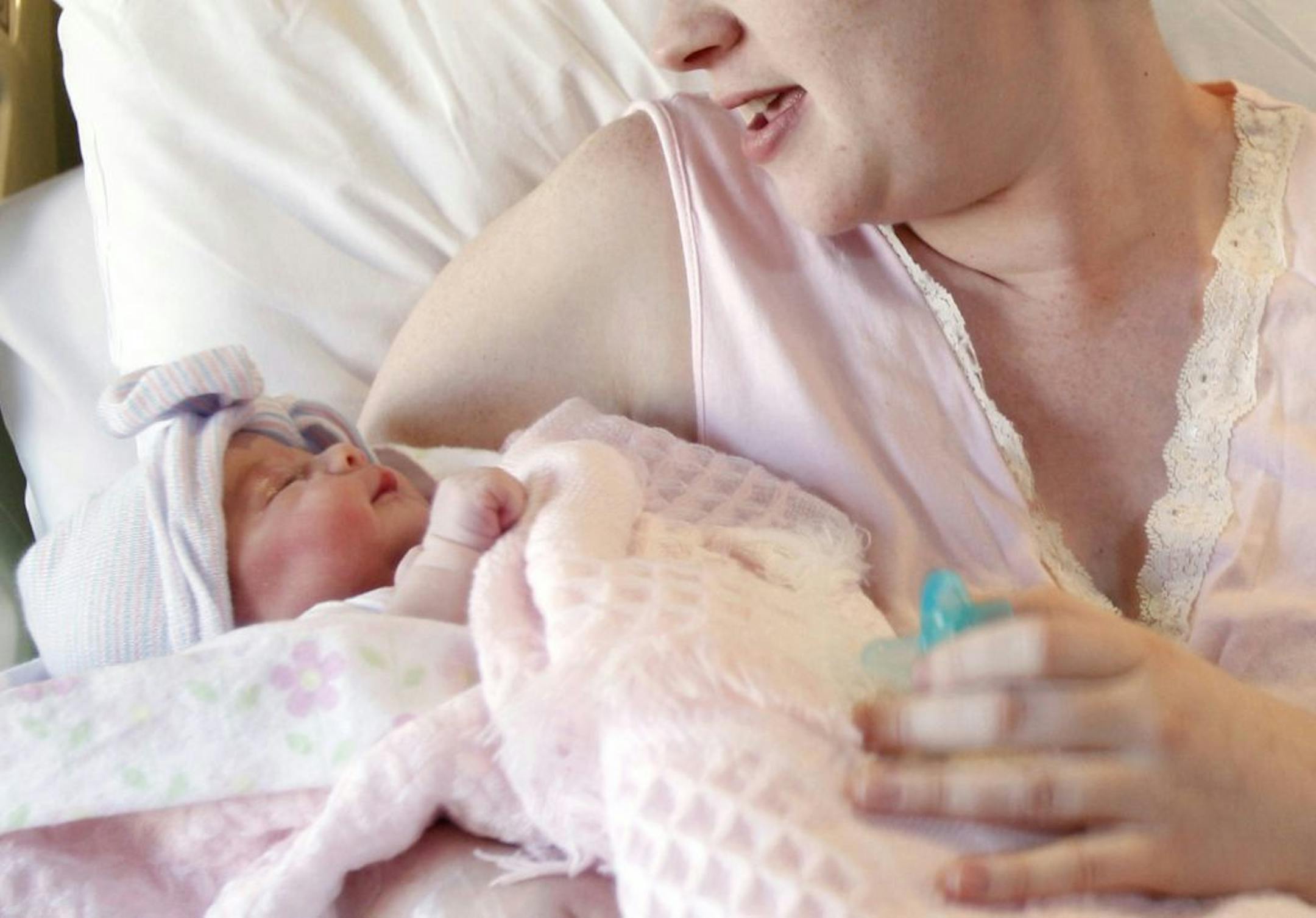
The law was conceived, no pun intended, during the 1980s to allow women time-off from work for childbirth and post-maternity. The original FMLA was passed by Congress in 1991, but the first President Bush vetoed it. Responding to concerns that almost reached hysterical levels from some business quarters, he deemed it too "burdensome."
The concept became an issue in the 1992 presidential campaign. After Clinton ousted Bush, Democratic majorities in the House and Senate passed the new FMLA within the first couple of weeks of his first term.
As it observes its platinum anniversary on Feb. 5, the law has been well-accepted. A survey taken by the Department of Labor, which oversees some aspects of the law, showed that it was used by about 23 million employees, nearly 17 percent of the eligible workforce, during the first decade of its existence and the number has no doubt risen since then.
The law has generated some political heat, including an effort by some Republicans to trim it. But the law has withstood those assaults and, during the waning days of the second term of the second President Bush, it was expanded to cover some military-related leaves of absence.
Unlike some other employment laws, such as the Americans with Disabilities Act (ADA), the FMLA has not been the subject of restrictive court rulings. The Supreme Court has addressed FMLA on three occasions over the past 20 years, dealing largely with technical issues and not impairing its basic characteristics.
The fundamental features of the law are well-established. Basically, it covers employees who have worked full time, or at least 1,250 hours per year for an employer with 50, or more, employees. It also covers most state and local government units, and a few federal employees. The military leave provisions, added in 2008, allow time off to handle health-related problems with members of the military or their family members.
Because it is confined to workplaces with 50 or more employees, it only covers about 25 percent of the workforce. Those who are covered may take an unpaid leave of absence for up to 12 weeks per year because of a "serious health condition," which usually means an affliction that necessitates consulting with a medical provider or having ongoing treatment, to take care of an immediate family member who is sick, or for maternity or paternity before or after childbirth; and adopting a child.



