

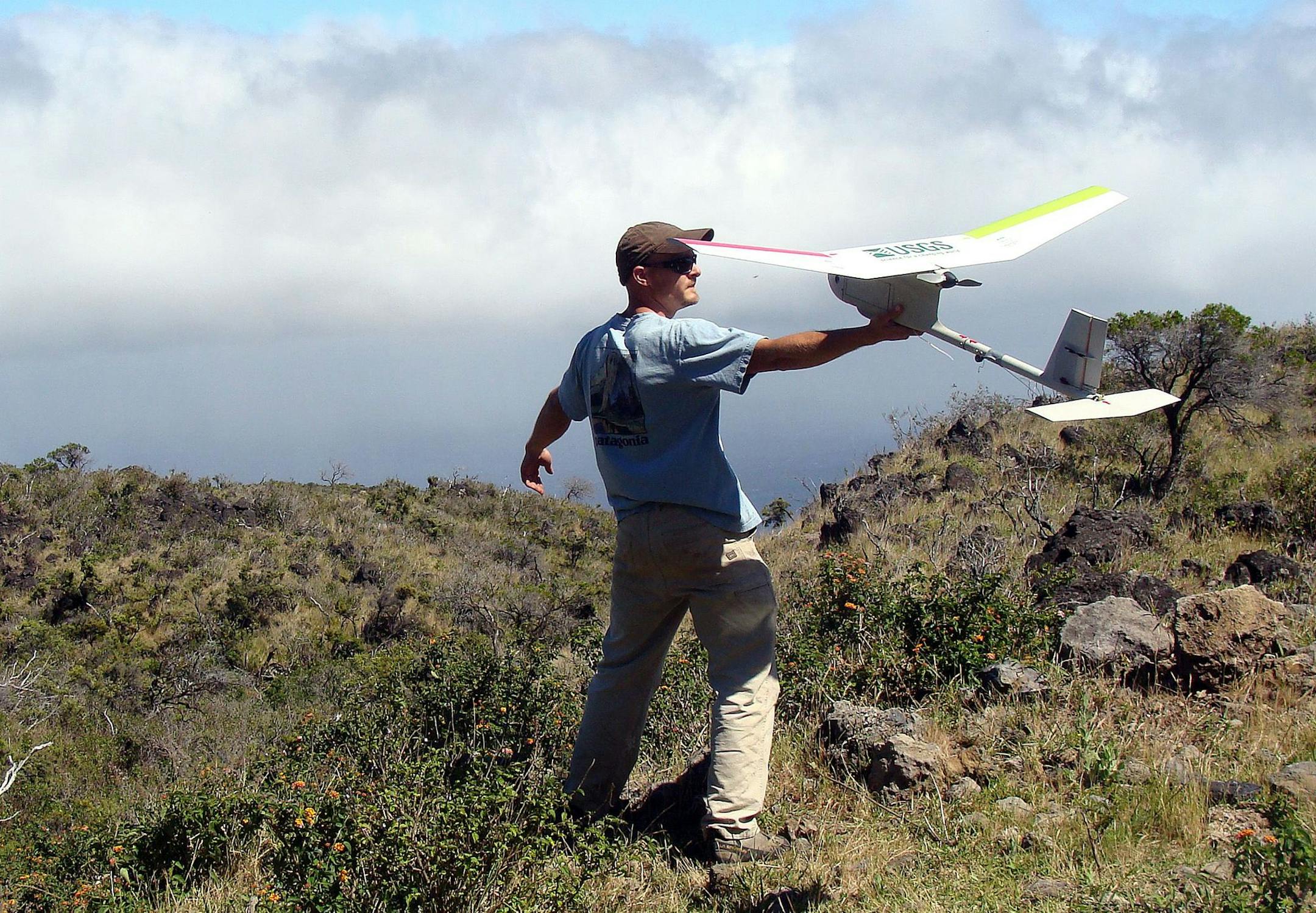
Much has been written about drones, the wartime reconnaissance vehicles and silent killers from above.
But how does the versatility of these high-tech machines translate into civilian use, and what are the potential dangers? Already, law enforcement and private enterprise have seen myriad uses for drones. They include searches for lost children, surveillance for criminal activity, monitoring of farm fields and crops, land surveying, evaluating flood conditions and seeking hot spots in forest fires, to name a few.
But where does the use of drones cross over from serving a civic or entrepreneurial purpose to one that intrudes on individual privacy and compromises basic civil rights? What guidance, if any, does federal, state or local law provide to the various users of this technology?
The federal government has recognized the emergence of civilian use of drones. In February 2012, Congress passed the FAA Modernization and Reform Act of 2012 (FMRA). Subtitle B of the act, unofficially referred to as the "Drone Act," charges the secretary of transportation, in consultation with representatives from the aviation industry, federal agencies, and the "unmanned aircraft systems industry," to "develop a comprehensive plan to safely accelerate the integration of civil unmanned aircraft systems into the national airspace systems."
The deadline for "safe integration of civil unmanned aircraft systems into the national airspace" is "as soon as practicable," but no later than Sept. 30, 2015.
Currently, there are no Federal Aviation Regulations (FARs) that govern or permit the commercial use of drones. In 2007, the FAA issued a policy notice that sought to clarify the "FAA's current policy concerning operations of unmanned aircraft in the National Airspace System."
In that notice, the FAA stated that, "no person may operate a [drone] in the National Airspace System without specific authority." Under this policy, a civil operator of a drone must obtain a special airworthiness certificate for an "experimental aircraft."
But the pertinent regulations for issuing an experimental aircraft certificate do not contemplate the commercial use of drones. In fact, in March 2013, the Minneapolis branch of the FAA shut down a Minnesota-based business that was operating drones for commercial purposes.


