In her thoughtful book, "The March of Folly," Pulitzer Prize-winning historian Barbara Tuchman skillfully describes the long-term catastrophic consequences for societies that follow irrational strategies and fail to take corrective action on problems when needed.
The bad part about folly is that it affects everyone: the teacher, the worker, the merchant, the churchgoer and CEO. Folly, like rain, falls on both the just and the unjust.
But, in an encouraging way, Tuchman points out that folly, or the perversity of reason, seldom occurs in the absence of thoughtful consideration. In all the cases she cites, caution was advised, reform was sought, remedial actions were proposed, but never implemented.
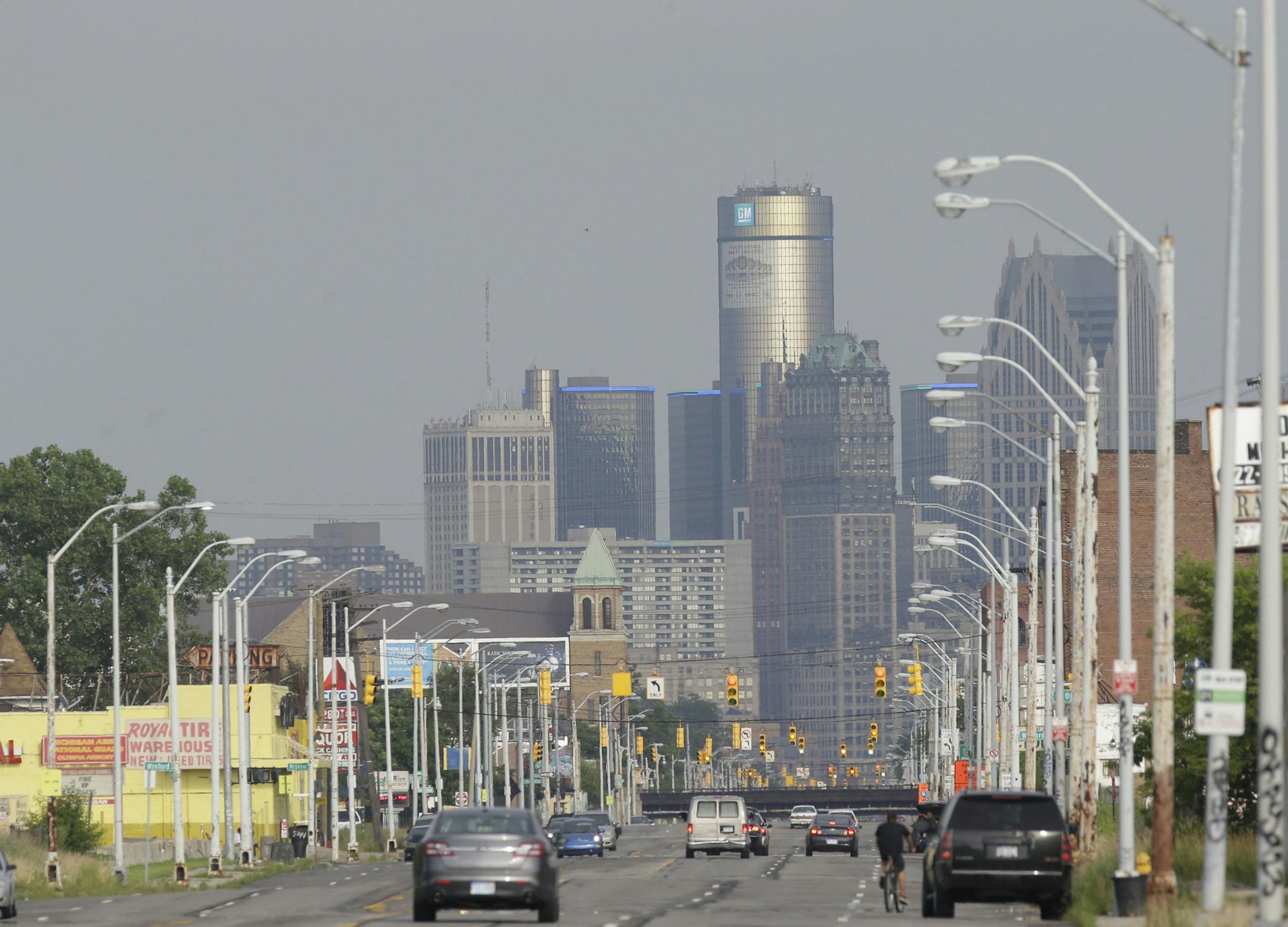
Within that framework, it is worthwhile to evaluate the recent financial problems of important public entities such as Harrisburg, the capital of Pennsylvania, the Chicago School District, and the city of Detroit — all within a two-hour flight from the Twin Cities. The question is: Could the foibles that led to the decline of these once-major entities be subtly beginning here?
Detroit manufacturing prowess was crucial to Allied success in World War II and the city emerged from the war with strong competitive industry. Nearly 350,000 manufacturing jobs existed within the city in 1947.
But competitive pressures and high costs took its toll on Detroit and by 2002, manufacturing employment was down to 38,000 — a decline of nearly 90 percent even before the most recent recession. Retail employment declined by 87 percent.
Declining industry always spills over to other industries. Tax receipts plummet, stores go out of business, buildings are abandoned, churches cease operating, city services worsen, hope disintegrates, crime increases and a difficult-to-reverse decline is set in motion.
Meanwhile, city debts accumulate and underfunded pension benefits consume much of the available money. With so much money owed, schools, social programs, all major city functions and public pension funds are jeopardized. Everyone is affected.