

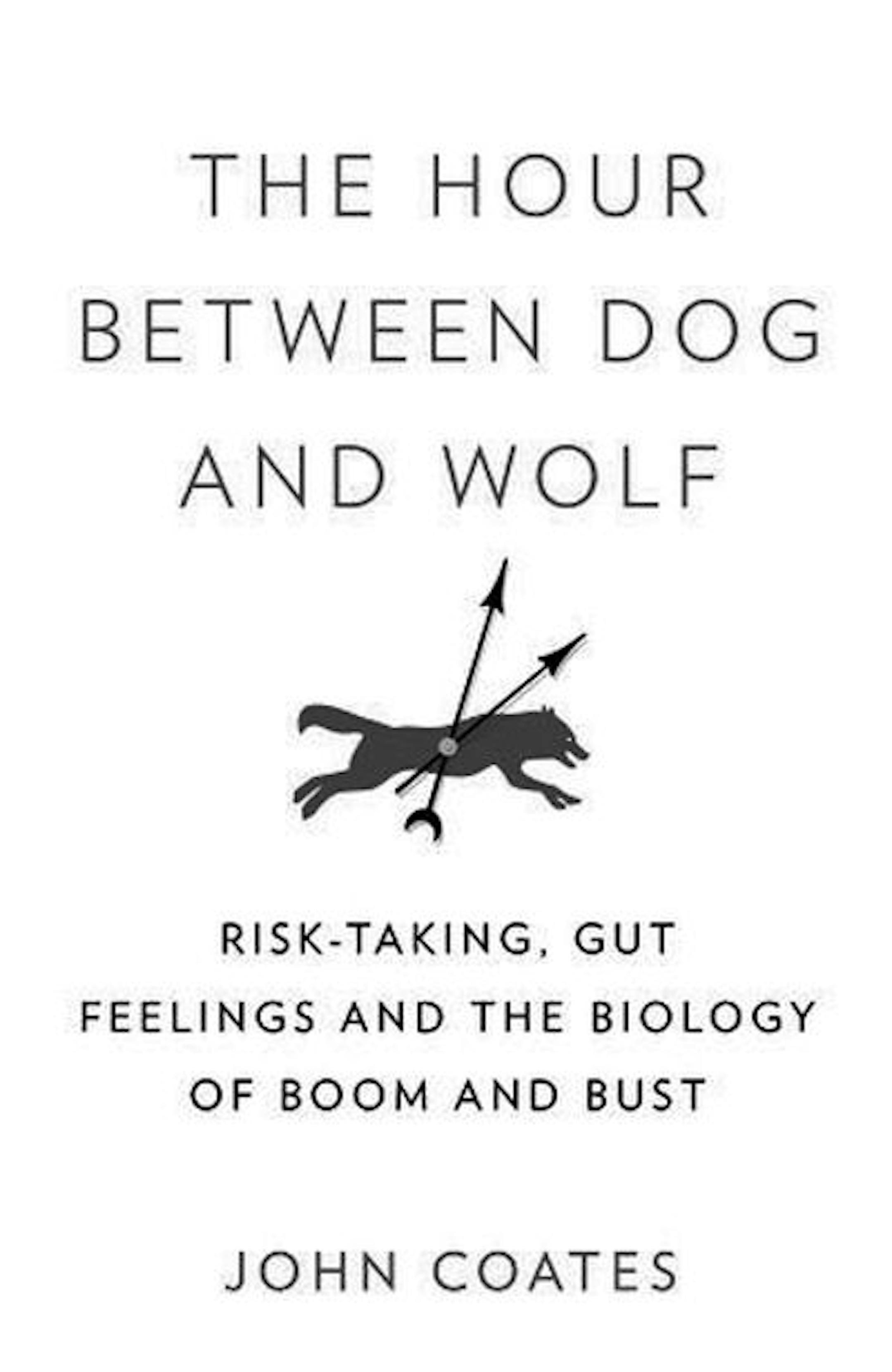
John Coates, Penguin, 310 pages, $27.95
The financial crisis was caused by many things: greedy bankers, shoddy regulation, an obsession with homeownership -- take your pick.
John Coates, once a trader on Wall Street and now a neuroscientist at Cambridge University, presents yet another culprit: biology, or more precisely, the physiology of risk-taking. Traders, he says, are influenced by what is going on in their bodies as well as in the markets.
Testosterone, "the molecule of irrational exuberance," is released into the body during moments of competition, risk-taking and triumph. Coates thinks the exuberance that turns a market rally into a bubble may be fueled by the same chemical. In one experiment he sampled testosterone levels in traders in London and found that higher levels of the hormone in the morning correlated with beefier profits in the afternoon. Such profits came from taking higher risks, not greater skill.
Biology may also be responsible for worsening market sentiment in bad times. The body's response to prolonged periods of stress is to secrete increasing amounts of cortisol, a hormone that marshals resources to cope with crises. The trouble comes when cortisol remains in the body. Rational analysis becomes harder, allowing emotion to gain the upper hand.
One answer, Coates argues, is to change the chemical makeup of trading floors by hiring more older men and, especially, women. Their bodies release far less testosterone. Women have the same levels of cortisol as men, but their stress response is triggered less by competitive failures and more by problems in their personal lives. That may make them more resilient when the markets turn against them.
Coates's thesis is not entirely convincing. The experimental data are too scarce, and he skips over the fact that many supposedly cautious, long-term investors made poor bets in the boom. But it makes intuitive sense that biological responses inform the mood of the markets. This book puts flesh on that idea.
THE ECONOMIST



