

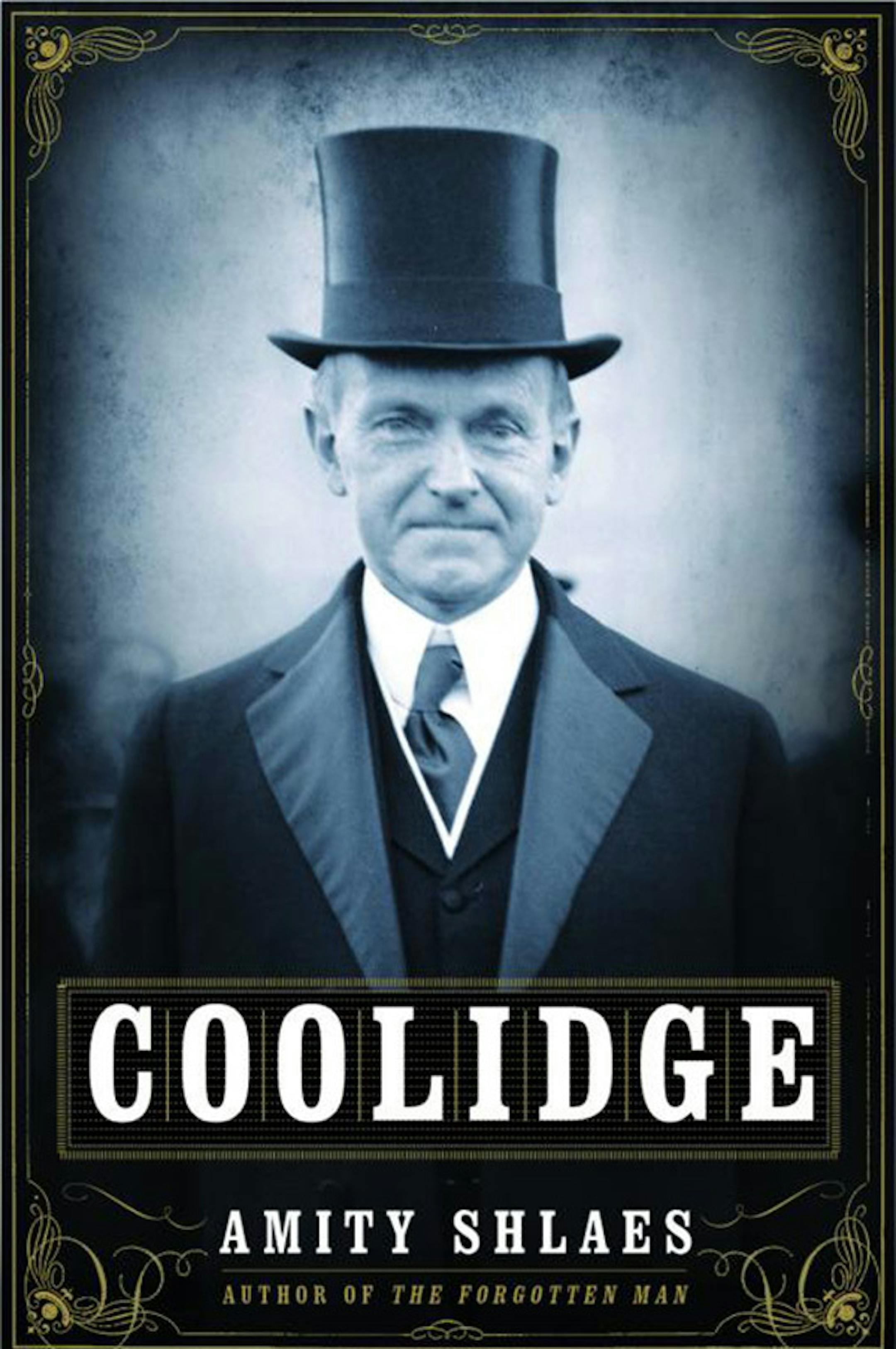
Amity Shlaes, Harper, 560 pages, $35
Many popular historians have blamed Calvin Coolidge's laissez-faire approach for prompting the Wall Street crash of 1929.
Implicit in this view is the presumption that only interventionist central government can help America recover from economic shocks. Coolidge's hallmark was distrust of government. He saw it as an entity that uses "despotic exactions" (taxes) that sap individual initiative and prosperity across the board.
American readers who believe intervention to be a good thing are likely to blanch at a controversial new biography of Coolidge by Amity Shlaes. However, if they read on, they also will discover a presidency of remarkable achievement that has received too little attention. During Coolidge's tenure American debt fell by one-third, the tax rate by half and unemployment collapsed.
Coolidge felt that his duty did not include protecting Washington's influence, and he set to shrinking it. Government departments that reduced expenditures were rewarded with special citations. Coolidge was, Shlaes writes, "the great refrainer." He wanted government to support innovation by using it — he made the first presidential radio broadcast — but not get involved otherwise. He objected to farm subsidies, public ownership of the Post Office and tax exemptions for municipal debt, all of which have produced costs that still hang over America.
The person who says no is rarely loved. But Coolidge survived because his faith in America proved justified. The crash and the economic slump that greeted the Harding-Coolidge administration that arrived in 1921 were forgotten as the stock market and economy recovered. After winning a new election in his own right in 1924, Coolidge declined to run in 1928 despite substantial popularity, believing that the presidency was a transitional position, not a monarchical one.
Herbert Hoover, the next president, was a successful businessman, a proven mobilizer of people and resources who was eager to push a more expansive agenda. Seven months into his administration, the stock market fell again. The economic malaise that followed was so long and deep it became known as the Great Depression. It took until 1942, after America's entry into World War II, for unemployment to shrink back.
Shlaes' biography provides a window onto an unfairly tarnished period. It deserves to be widely read.
THE ECONOMIST



