

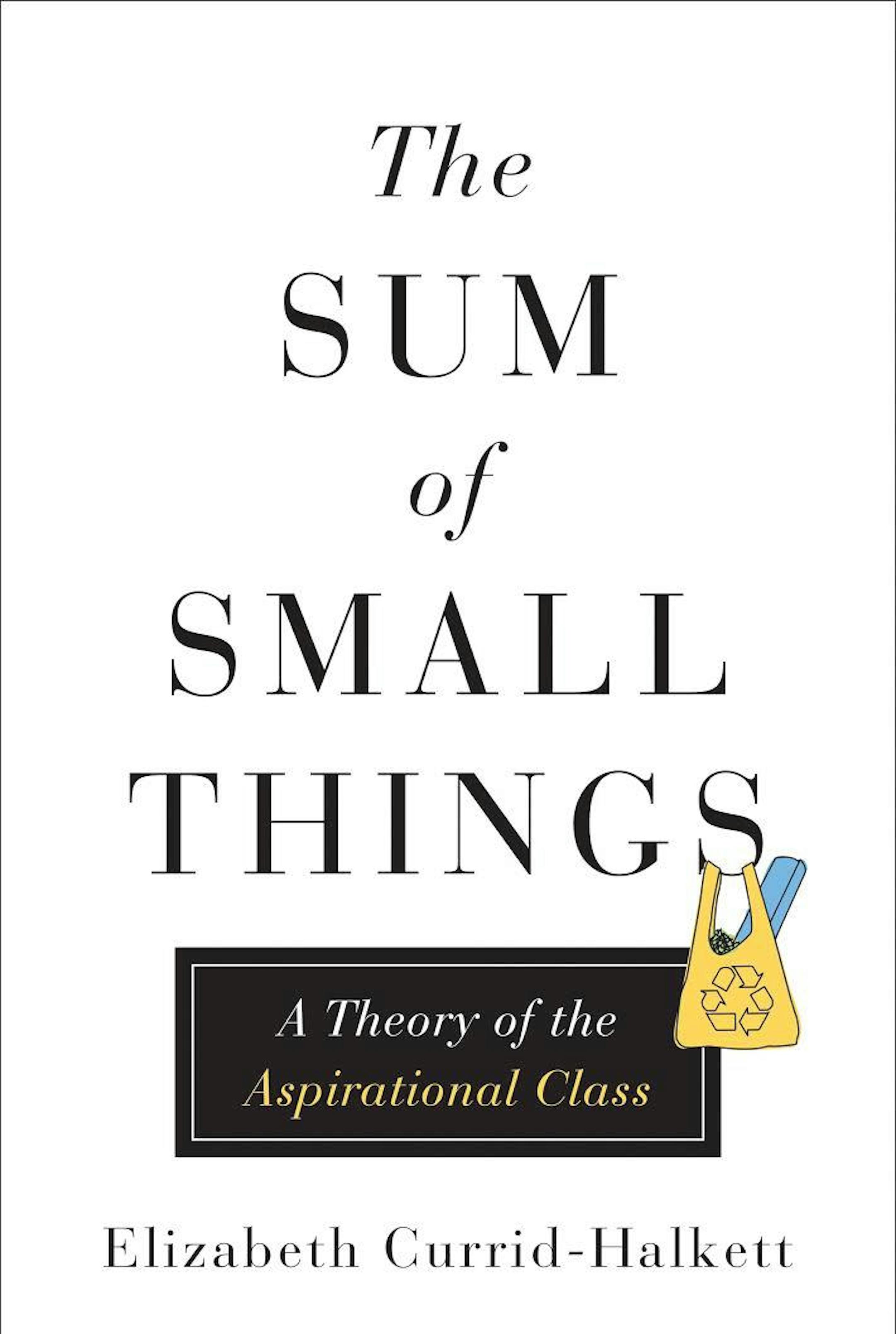
'The Sum of Small Things: A Theory of the Aspirational Class'
Elizabeth Currid-Halkett, Princeton University Press, 254 pages, $29.95.
Status symbols are as old as humanity itself. It was only once ancient Rome became rich enough for plebeians to decorate their homes that elites sought to do one better by installing mosaics in their villas. Pegged "conspicuous consumption" in the late 19th century, the idea of the working classes seeking to imitate the wealthy's access to luxury goods persists today. But just as the patricians of classical times changed their habits once the masses gained the ability to copy them, so too have modern American elites recoiled from accumulating mere goods now that globalization has made them affordable to the middle class. Instead, argues Elizabeth Currid-Halkett, a professor at the University of Southern California, in "The Sum of Small Things," they have begun consuming the fruits of "conspicuous production" instead. This ranges from socially worthy things like fair-trade coffee to "inconspicuous consumption" of services like education. Far from making the world more egalitarian, this shift, in particular, threatens to entrench modern elites' privileged position more effectively than the habits of their predecessors ever did. The book makes clear that the "aspirational class" Currid-Halkett profiles is almost exclusively coastal and urban. However, that may yield a lopsided portrait of the top-of-the-income pile: Largely absent from her tale are the business-minded rich in politically conservative states.
ECONOMIST


