

BUSH'S ENERGY PLAN
He takes a pass on climate change
Jeb Bush laid out an energy plan last week that hardly addresses climate change. Given what passes for climate debate in the Republican Party, maybe we should be grateful that Bush didn't use the rollout to indulge in climate know-nothingism. By any reasonable measure, however, it's breathtakingly irresponsible: Bush's plan is silent on one of the country's greatest challenges.
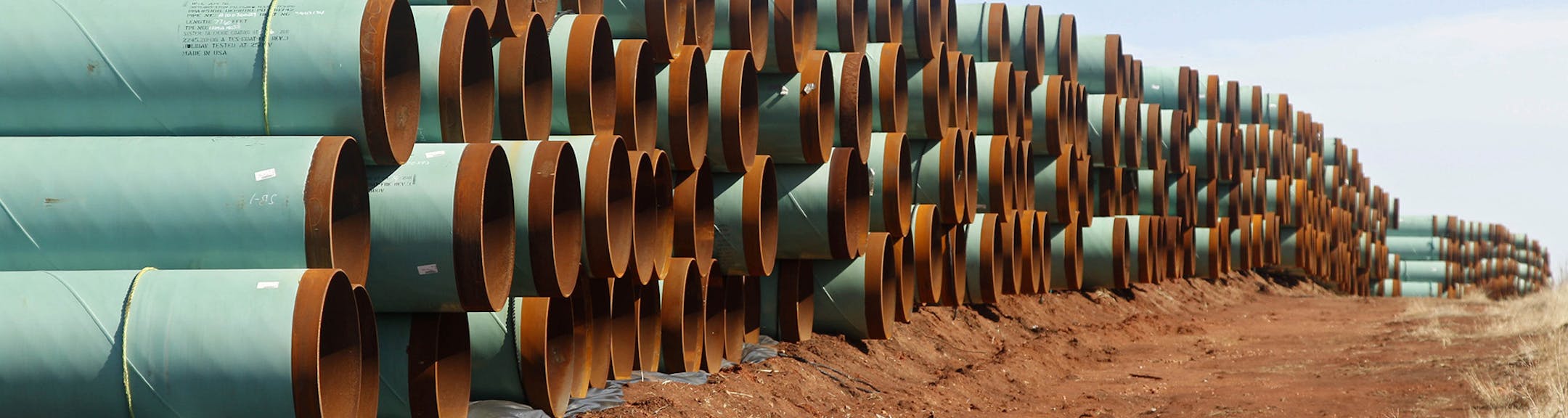
Bush's plan starts sensibly. Pushing back against the excesses of environmental activists, he proposes lifting irrational restrictions on crude oil and natural gas exports, restrictions that aren't useful for energy security or for controlling greenhouse emissions but that limit U.S. companies from benefiting from the global energy trade. He would also approve the Keystone XL oil pipeline, ending an unnecessary national psychodrama in which a low-stakes infrastructure decision has been transformed into an embarrassing ideological war. The pipeline should have been approved years ago, and everyone's time should have been devoted to issues that really matter.
Bush's pro-industry inclinations then take him too far. He would tear up Obama administration drilling regulations that carefully balance the economic benefits of producing domestic energy with the environmental risks such industrial activity poses. His plan would instead defer to states. Some would do a good job; others wouldn't.
Bush also pledged to "repeal" the Environmental Protection Agency's landmark greenhouse gas regulations — the climate policy that will lower U.S. emissions and that has helped galvanize unprecedented worldwide movement toward significant global carbon-dioxide reductions. The EPA rules aren't perfect, but, barring a better emissions plan, they are a good first step.
If Bush has such an improved plan, he's not sharing it. Last week, he proposed investment in energy research with the goal of discovering "game-changing technologies" that would presumably be cleaner than current energy sources. That's a fine idea. If the world had decades to transition off fossil fuels, it might even be sufficient. But the world doesn't have decades, and the transition must begin in earnest. A commitment to energy research isn't a replacement for climate policy that reduces emissions now.
A true conservative would heed expert warnings against altering the atmosphere's chemistry, head off the risk of dangerous climate change early and do so using market-based policies that keep as much control in the hands of consumers and companies as possible. A true conservative would do what Reagan Secretary of State George Shultz advocates: Put a simple fee on carbon dioxide emissions and allow the market to adjust. So far, there doesn't seem to be a true conservative in the GOP field.
FROM AN EDITORIAL IN THE WASHINGTON POST


