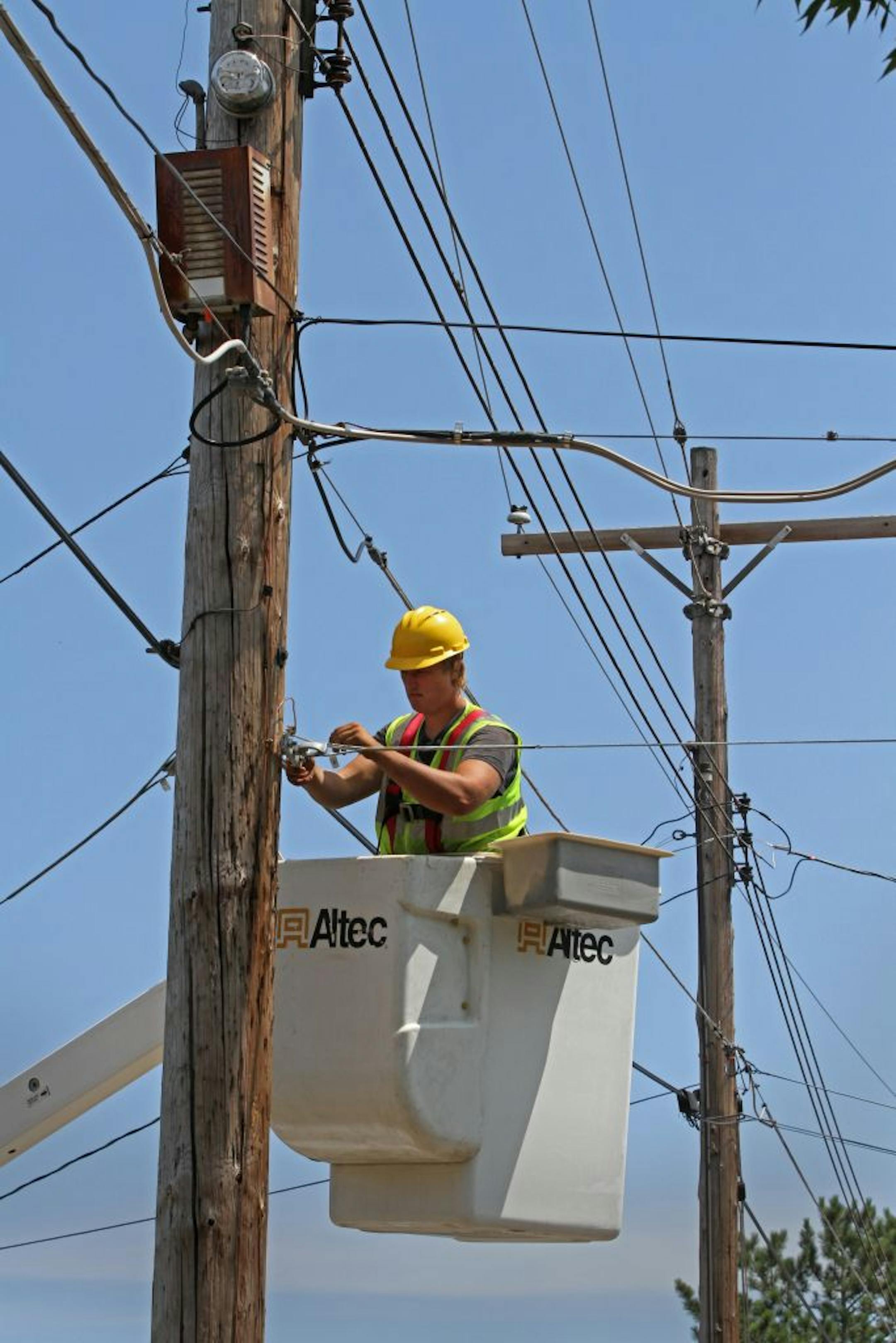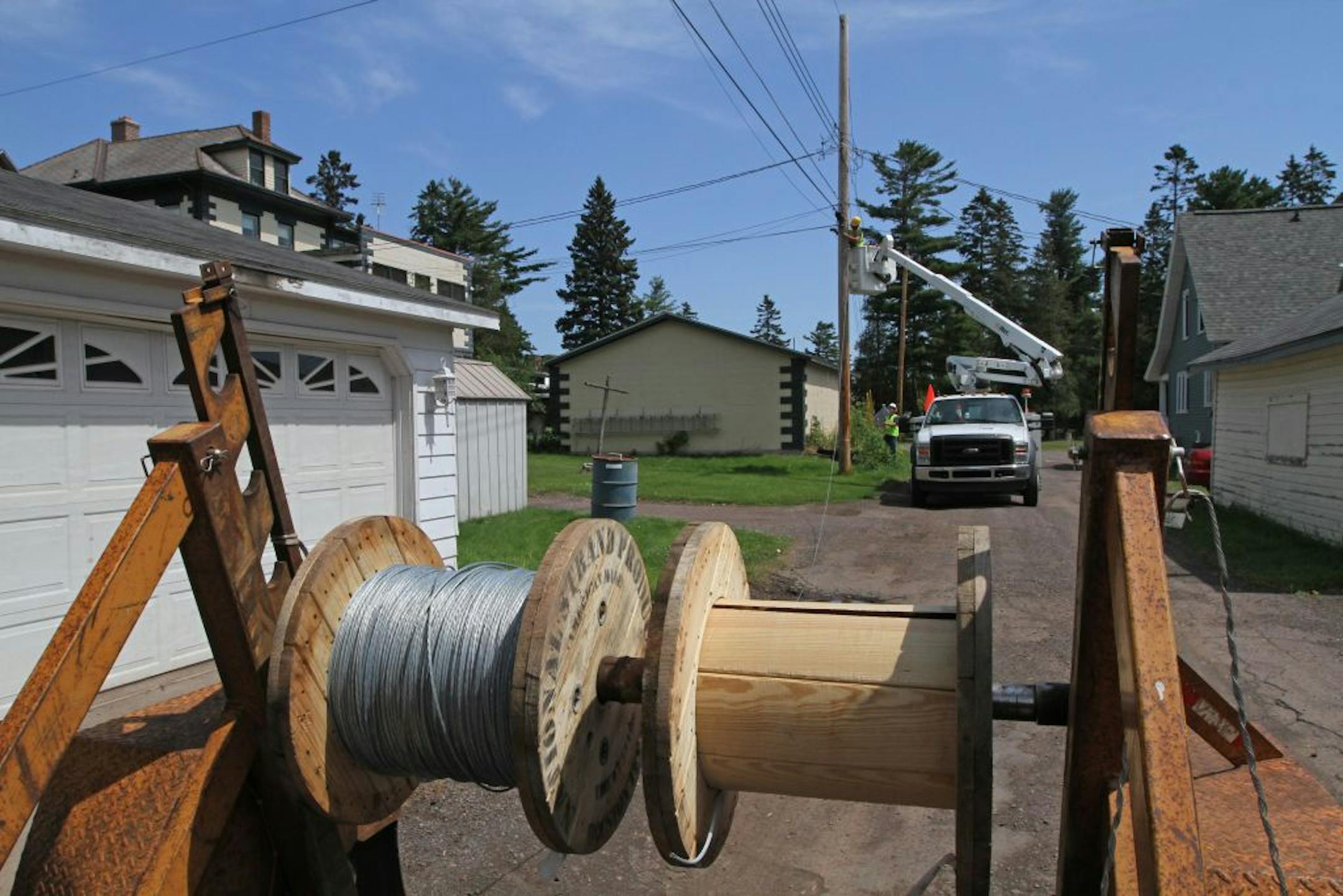
TWO HARBORS, Minn. - Cable companies weren't interested when the federal government dangled millions of dollars to expand broadband Internet service in Lake County.
But they didn't want anyone else to build a system, either.
That would mean competition in small parts of the county they already serve, even if it would leave thousands of northeastern Minnesota residents and businesses without broadband.
So in 2010, when Lake County applied for federal stimulus funds to build a countywide network, it ran straight into a challenge from industry giant Mediacom and the Minnesota Cable Communications Association.
The conflict that ensued is part of a national struggle. Public officials and some of their constituents argue that rural broadband is like rural electrification: It's a lifeline for small-town America that the free market will not extend.
"We've been ridiculously underserved in this area for years," said Andy Fisher, who owns a Lake County bed-and-breakfast and a rural cross-country skiing lodge. The cable companies "are working in the interest of their profits. But if they're not going to serve this area, what are we going to do?"
Cable and Internet providers argue that government-backed programs should run broadband only into unserved areas, not locations where private providers already operate. They have lobbied extensively to cut broadband initiatives from the federal budget.
"Lake County wants to make this into a David and Goliath story, where Mediacom is Goliath and poor little Lake County is David," said Tom Larsen, Mediacom's group vice president of legal and public affairs. "The truth is we're David because we're fighting [the government]. It's just the same story repeated all over the country."