

At some point in the past 30 years, the concept of the "free world" fell out of favor.
Maybe it seemed dated once the Cold War ended. Or an afterthought in an era in which economic development, not political freedom, became the primary measure of human progress. Or too smug in an American culture increasingly obsessed with its own sins, current and original. Or no longer befitting countries where democratic norms and liberal principles were being eroded from within — from Hungary to India to the United States.
But we urgently need to restore the concept to its former place, both for its clarifying power and its moral force.
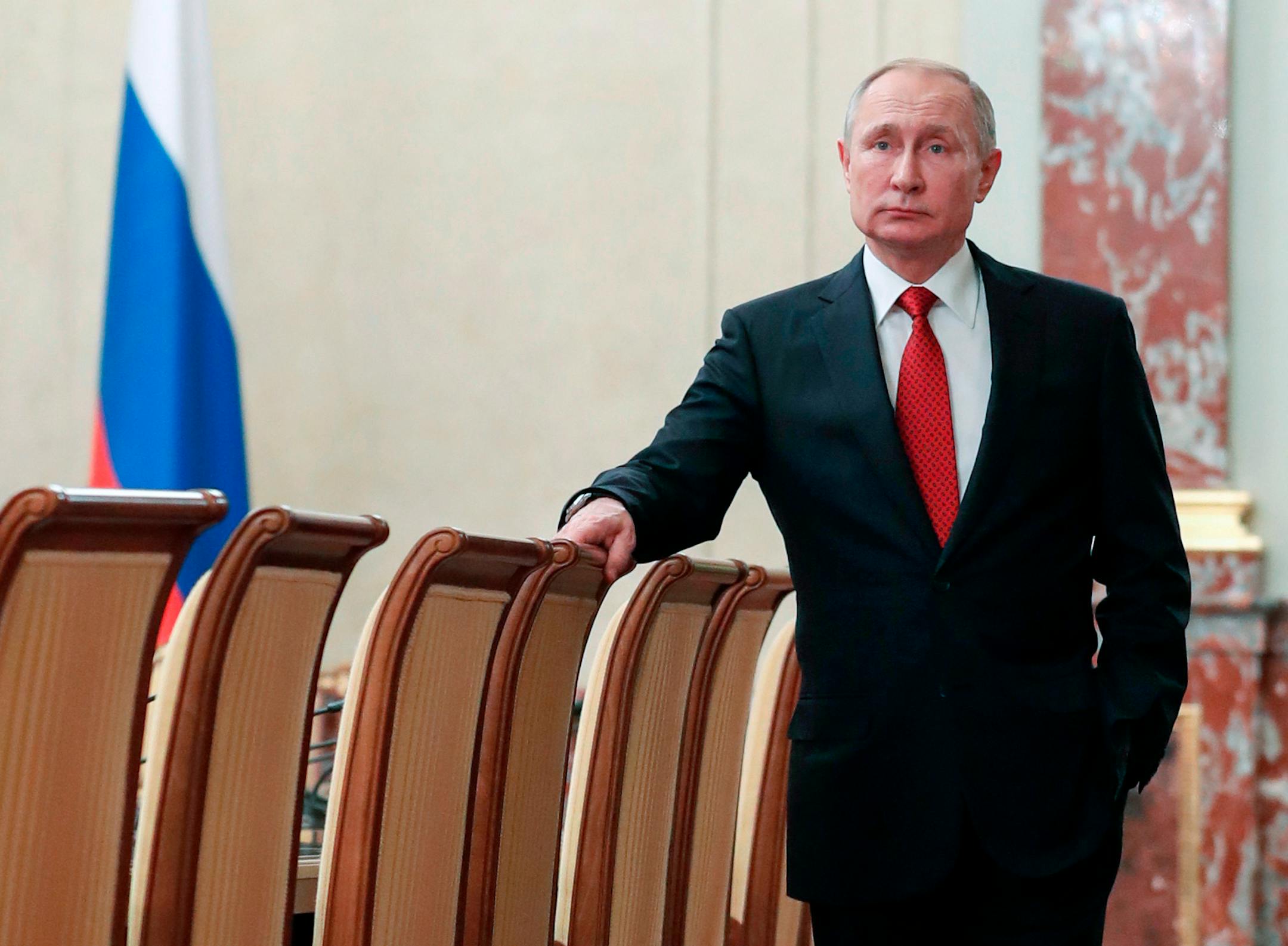
The prospect of a Russian invasion of Ukraine is being treated by Vladimir Putin's many apologists as a case of reasserting Russia's historic sphere of influence, or as predictable pushback against NATO's eastward expansion — that is, as another episode in the game of great-power politics.
By this logic, the Kremlin's aims are limited, its demands negotiable. It's a tempting logic that implies diplomacy can work: Give Putin something he wants — say Ukraine won't join NATO, or remove NATO forces from former Warsaw Pact states — and he'll be satisfied.
But the logic ignores two factors: Putin's personal political needs and his far-reaching ideological aims. Putin is neither a czar nor a real president, in the sense that he governs according to fixed rules that both legitimize and limit him. He's a dictator, liable to charges of corrupt and criminal behavior, who has no guarantee of a safe exit from power and must contrive ways to extend his rule for life.
Whipping up periodic foreign crises to mobilize domestic support and capture global attention is a time-tested way in which dictators do this. So however the Ukrainian drama is resolved, there will be other Putin-generated crises. Appeasing him now emboldens him for later.
The second factor follows from the first. The ultimate way to consolidate dictatorship is to discredit democracy, to make it seem divided, tired and corrupt. There are many ways to do this and Putin practices plenty of them, from supporting extremist parties and politicians to sponsoring the Russian bots and trolls peddling conspiracy theories on social media.


