![Anna Schu, displays an image on an iPad that was made while she was undergoing a procedure to implant an artificial aortic valve in here heart. ] Tom Sweeney, March 12, 2015, Minneapolis, MN.](https://arc.stimg.co/startribunemedia/C3OS2EGNF2ZBFYAOPAL3U7EENM.jpg?&w=1080)
An 85-year-old Minneapolis woman lies on the operating room table at Abbott Northwestern Hospital and waits for the future of heart valve medicine.
The diseased aortic valve in Anna Schu's chest is threatening her health, but she's not a good candidate for open-heart surgery. So she's decided to have an experimental procedure and become the first person in Minnesota to get a new device from Boston Scientific Corp. that is implanted through an incision in her leg to make it easier on her body.
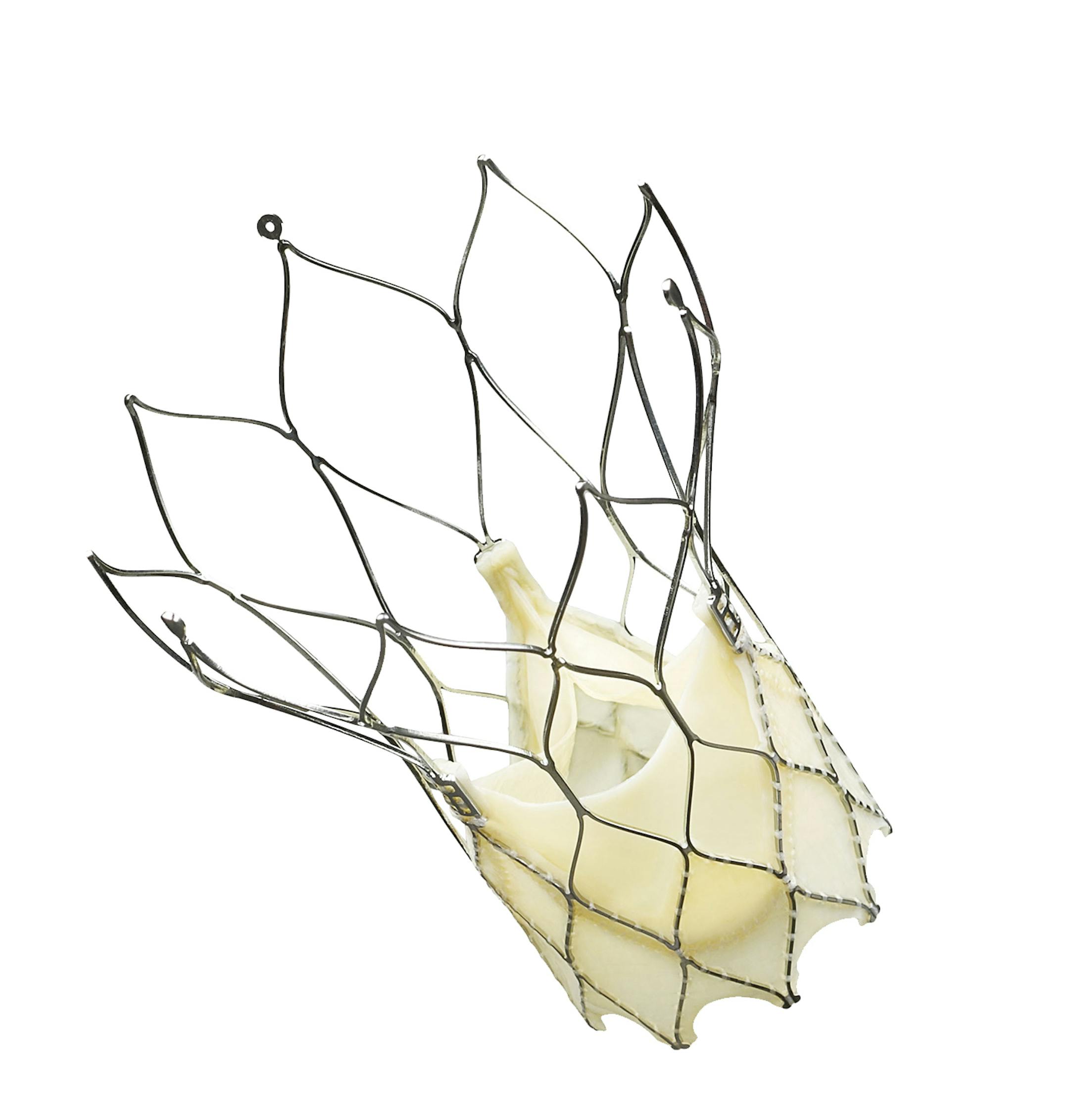
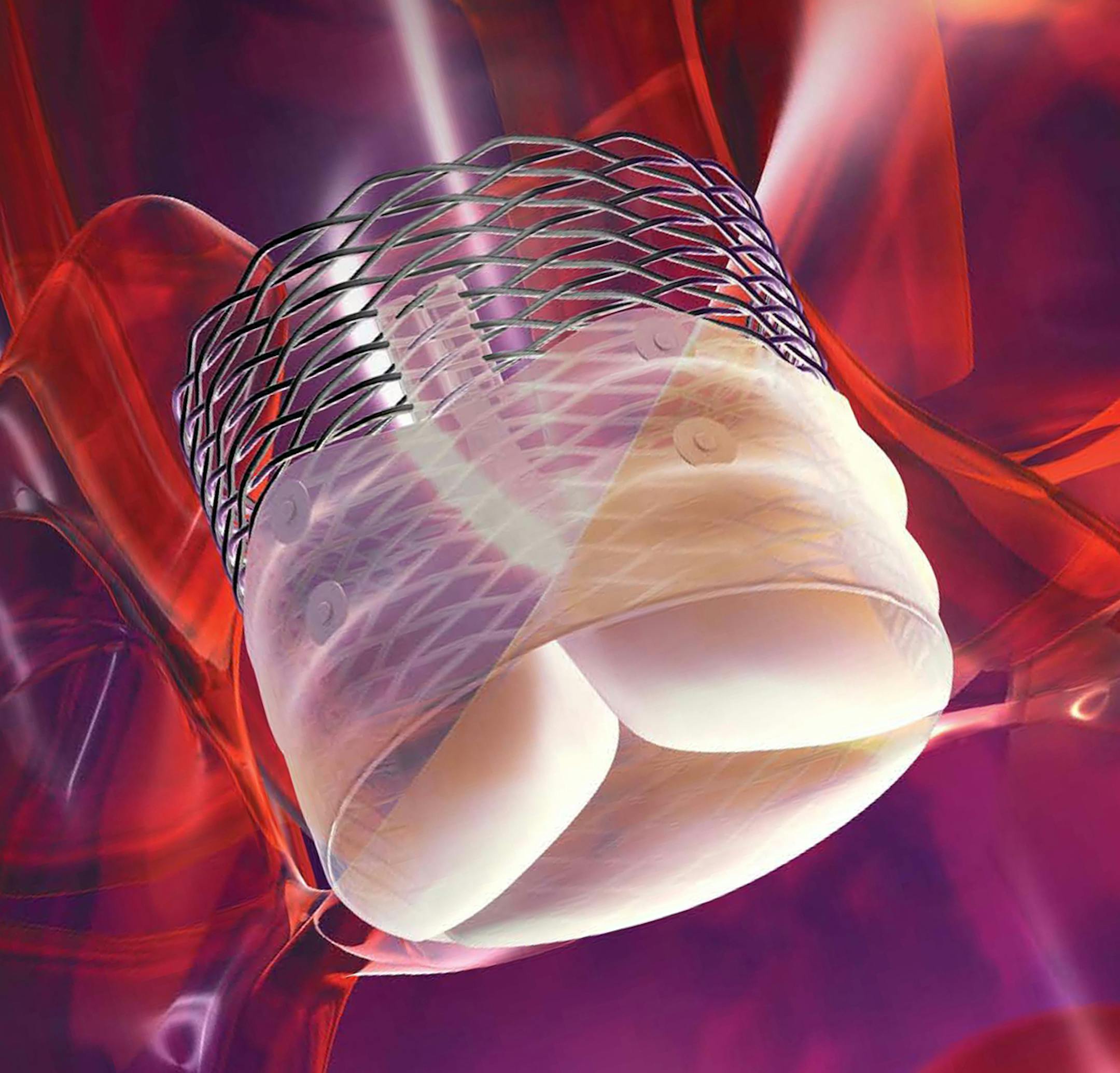
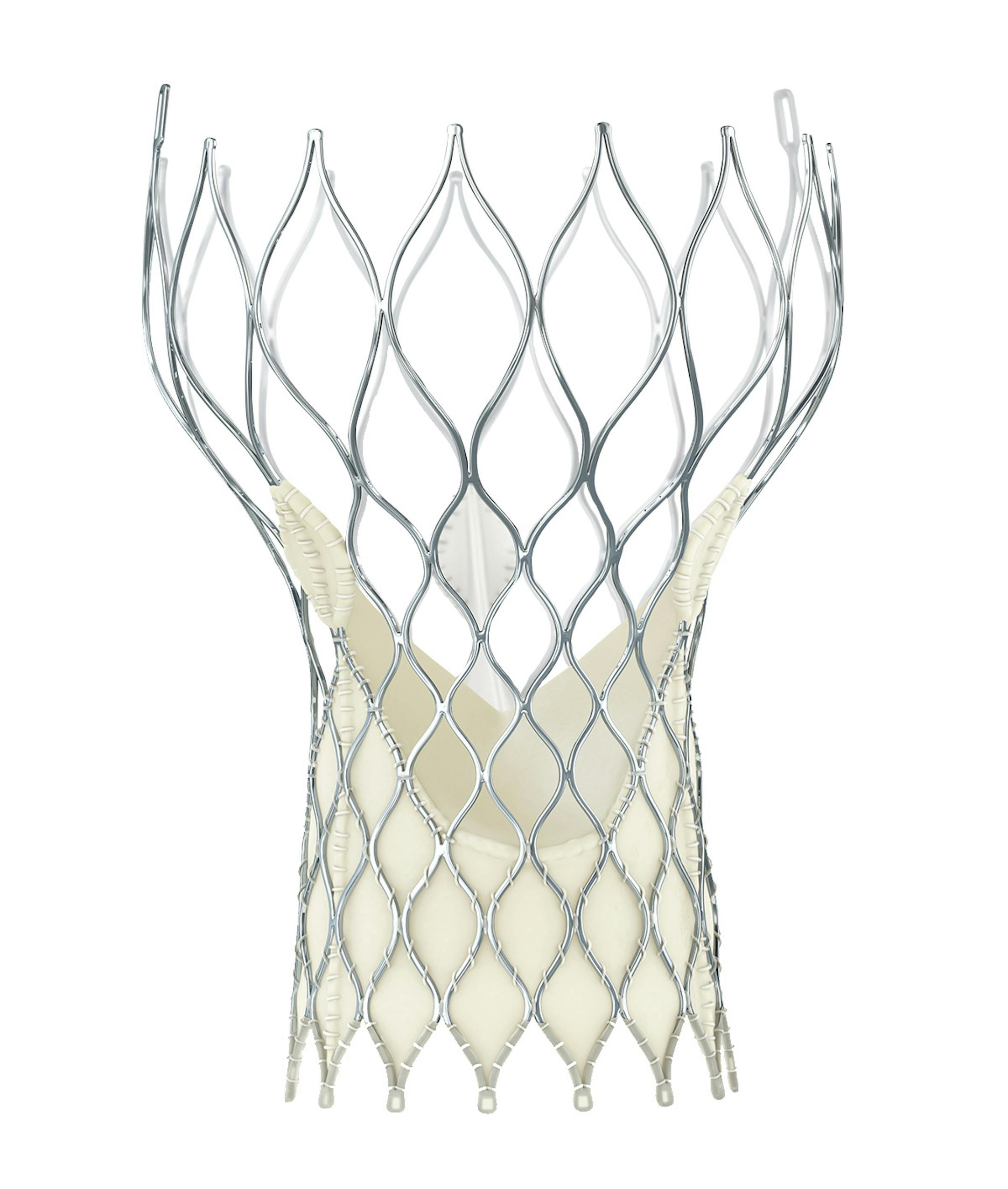
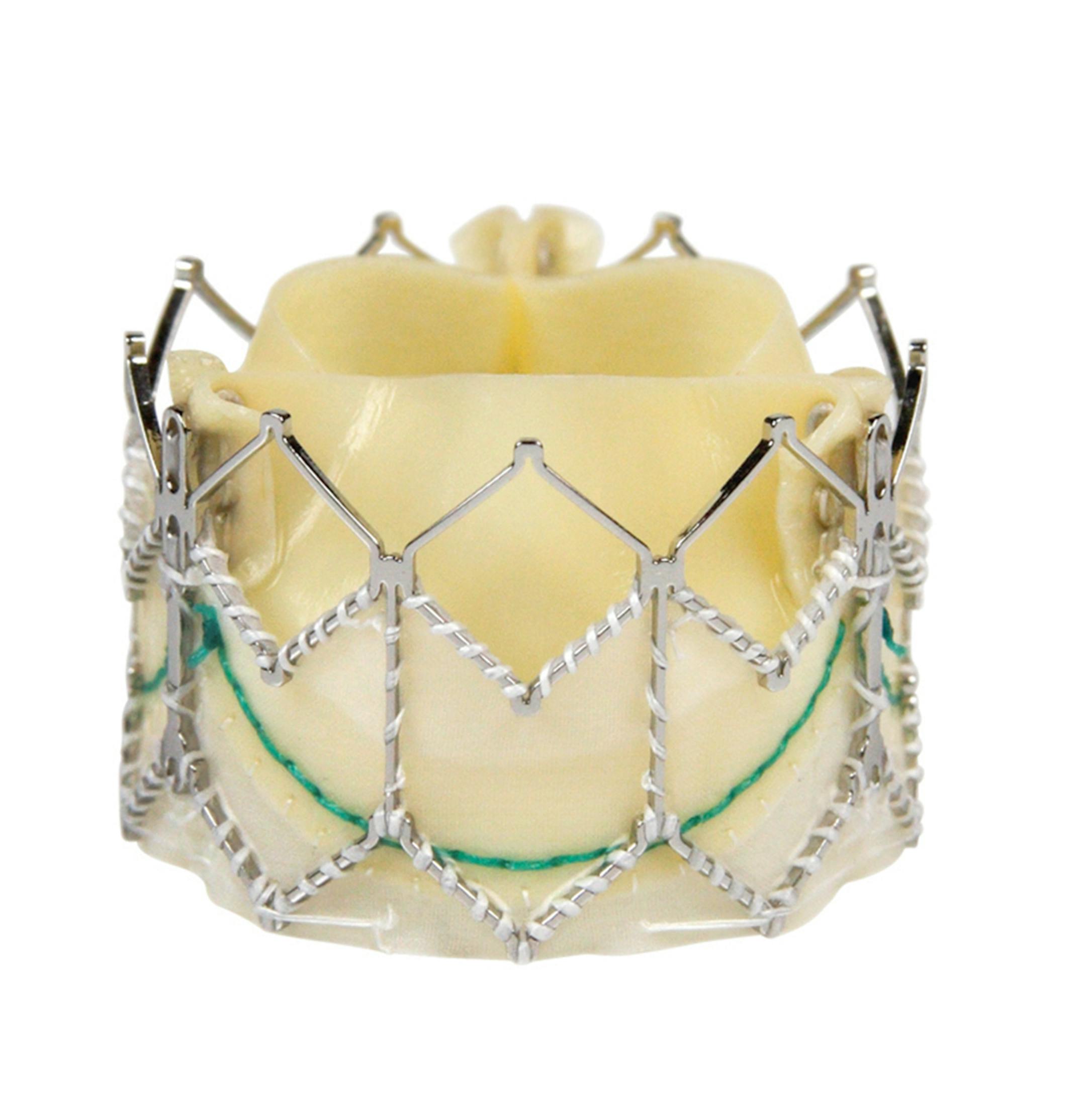
The heart valve, in its compressed metal scaffold, represents the vanguard of a medical technology niche that experts say is poised to balloon to $4 billion in global sales five years from now. All of Minnesota's major heart-device makers are developing or already selling such devices, and more than 150,000 have been implanted worldwide. And federal regulators are keeping close watch.
"There's very high interest in this procedure," said Tom Fleming, general manager for the structural heart business at Boston Scientific. "This technology is providing a good alternative to surgery."
While Schu is under anesthesia, her surgeon dips the device in a surgical basin for a pre-implant soaking. Out of its sterile packing material, the gizmo looks like a short fishing rod with a small silver Slinky on the end.
It's a catheter-delivered heart valve, requiring only a small incision in the leg to reach her heart. The doctor will snake the device in a hollow tube in the incision, through her femoral artery, through her circulatory system and over the great aortic arch, to within millimeters of her heart.
The procedure works. In a 30-minute operation, the doctor uses imaging that looks like an animated X-ray to guide the device over Schu's existing aortic tissue and release it. A short burst of dye in her blood confirms the fit is tight and the valve doesn't need to be repositioned.
Later that day, Schu says she's feeling better than she expected, and hospital staff are telling Schu she looks good. Boston Scientific's inaugural Minnesota patient is released from the hospital and goes on to become a positive mark in the device's 30-day survival statistics.