

Opinion editor's note: Star Tribune Opinion publishes a mix of national and local commentaries online and in print each day. To contribute, click here.
•••
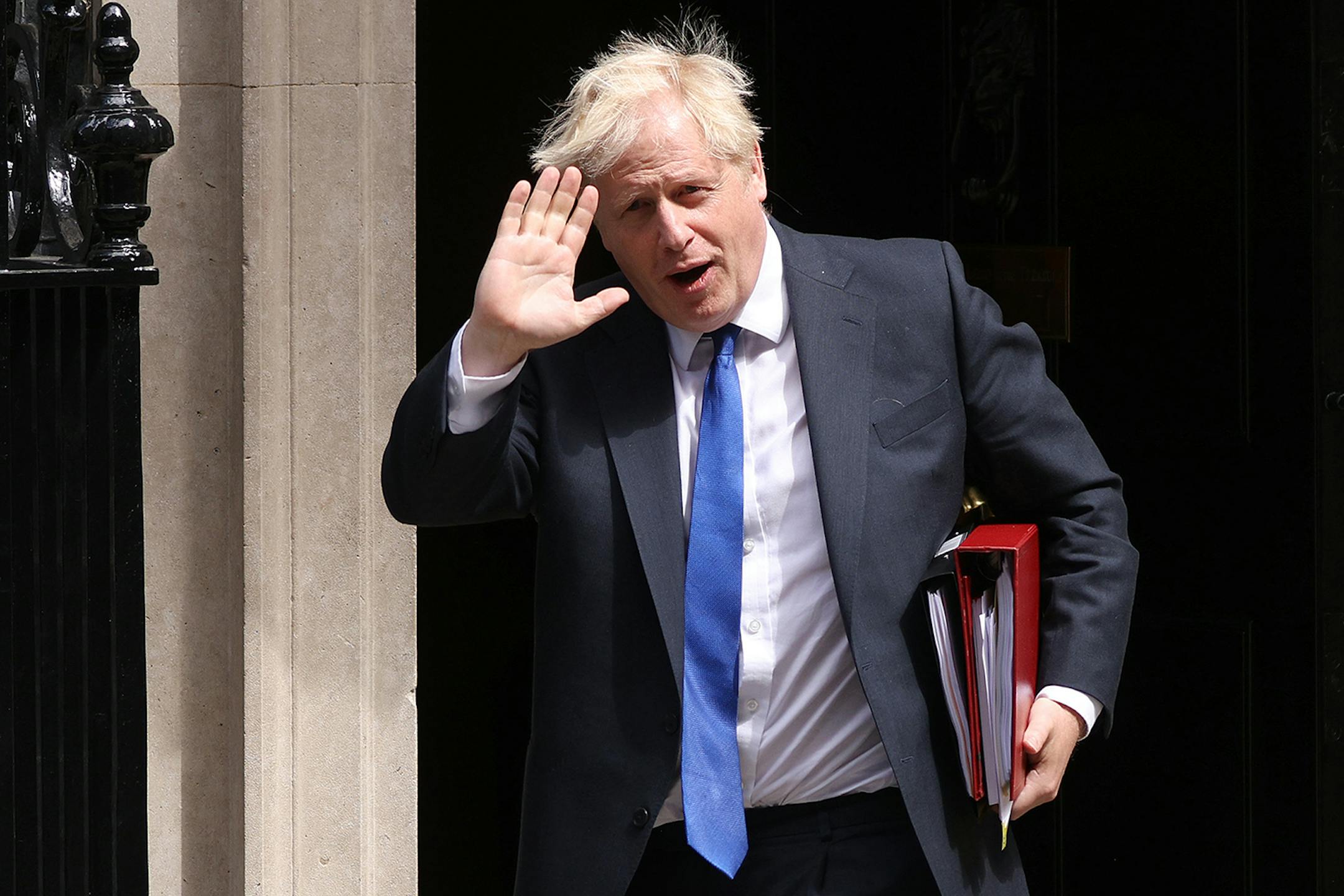
Boris Johnson is the condemned man who refuses to die. For seven months, hardly without a week's intermission, he has blustered his way through a series of scandals and pratfalls that would have toppled most titans of post-war British politics. To the intense irritation of his foes and rivals, he refused to accept the political death sentence.
By tea time on Tuesday, the almost simultaneous resignation of Chancellor of the Exchequer Rishi Sunak and Health Secretary Sajid Javid, however, looked like the end at last for the U.K.'s mercurial prime minister. A slew of junior ministers followed in their wake. At furious speed, No. 10 cobbled together untested replacements. The sound of barrels being scraped resounded around Westminster.
This time, his premiership seems fatally wounded. How long the demise takes will determine the possible outcome of the U.K.'s next election and the future of his party.
Sunak and Johnson were supposed to make a joint statement on the economy next week. But the chancellor was frustrated by the air of permanent crisis hanging over government and contradictory policy-making: his resignation letter declared he had been prepared to compromise and accept collective responsibility for decisions he didn't agree with, but his differences with the prime minister were now too great to continue in office. In other words, the prime minister wants to buy off voters' enraged by tax rises and inflation while the chancellor has nightmares about the mounting deficit. Sunak's fiscal orthodoxy could no longer be reconciled with Johnson's free-spending ways.
Another sucker punch came from Javid, the health secretary, who told Johnson in his farewell missive that "you have lost my confidence too" and boldly questioned the prime minister's integrity. Javid has resigned from this government before, after serving as a short-lived chancellor. This time he declared "that the public are ready to hear the truth." In which case, he implied, they haven't been hearing it from No. 10.
Yet Johnson's political assassination has been as slow and incompetent as that of Rasputin: Disgruntled aristocrats tried arsenic, bullets from a revolver and drowning in the frozen river Neva before they finally dispatched "the mad monk" who was the favorite of the czar. Johnson, too, somehow manages to keep his head up above water.


