

The U.S. now is several months into the housing market recovery and we have early data about where the hot spots are. It's hardly a surprise that home prices are up 25% from a year ago in the Hamptons, given its proximity to the enormous New York job market and its knowledge workers.
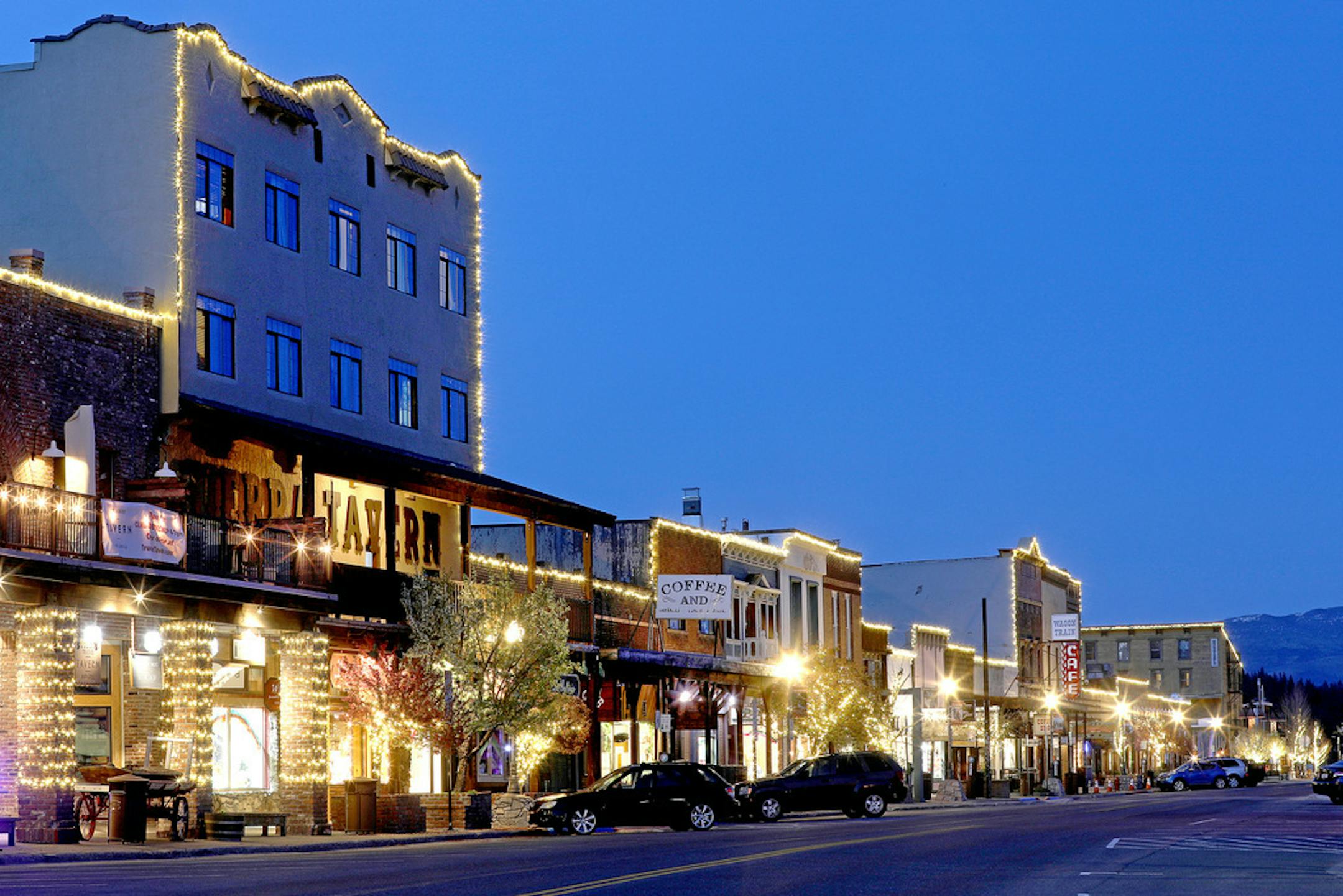
Out west, mountain towns are seeing their real estate gobbled up, too. Truckee, Calif., near Lake Tahoe, is seeing a boom; Missoula, Mont., which gets 4 million visitors annually, is booming as well.
The appeal of beach or mountain towns with built-in cultural amenities is obvious, which is why they've historically drawn tourists and college students. But a limiting factor for economic development and home prices has always been that there weren't many high paying jobs available. Virtual work changes that by allowing people to bring their jobs with them, creating the potential to reshape these communities, making them less reliant on transients.
But if virtual work holds the promise of a new wave of migration the way air conditioning allowed the Sun Belt to boom, a significant constraint is going to be how much these communities are willing or able to grow. Cities such as Atlanta, Dallas and Houston in a matter of a few decades grew to metro areas with more than 5 million residents each. Truckee, Missoula and Bend have populations of 100,000 or less, and lack the infrastructure and perhaps the desire to grow to be major metro areas.
The way this probably will play out is home prices in these communities soar during the next 12 or 24 months as pandemic buyers bid for whatever dwindling housing inventory remains. It's likely that the reopening of offices in traditional job hubs will lead to a more subdued vision for the future of virtual work.
Still, at the margin, this shift in housing demand to vacation communities should be welcome news for those who remain in large, high-cost cities. Already, rents are plunging in cities such as San Francisco, Seattle and New York. Combine that with modest increases in the supply of single-family homes and home prices in those communities could decline, making them more affordable to buyers priced out of many urban markets in recent years.
These trends probably will become clearer in the next year or two. We've already seen cities such as Portland, Ore., Denver, Austin, Texas, and Nashville benefit from knowledge jobs being pushed out of coastal hubs. It now seems likely that there will be a new group of winners.
James Greiff is an editor and Conor Sen is a columnist for Bloomberg Opinion.


