

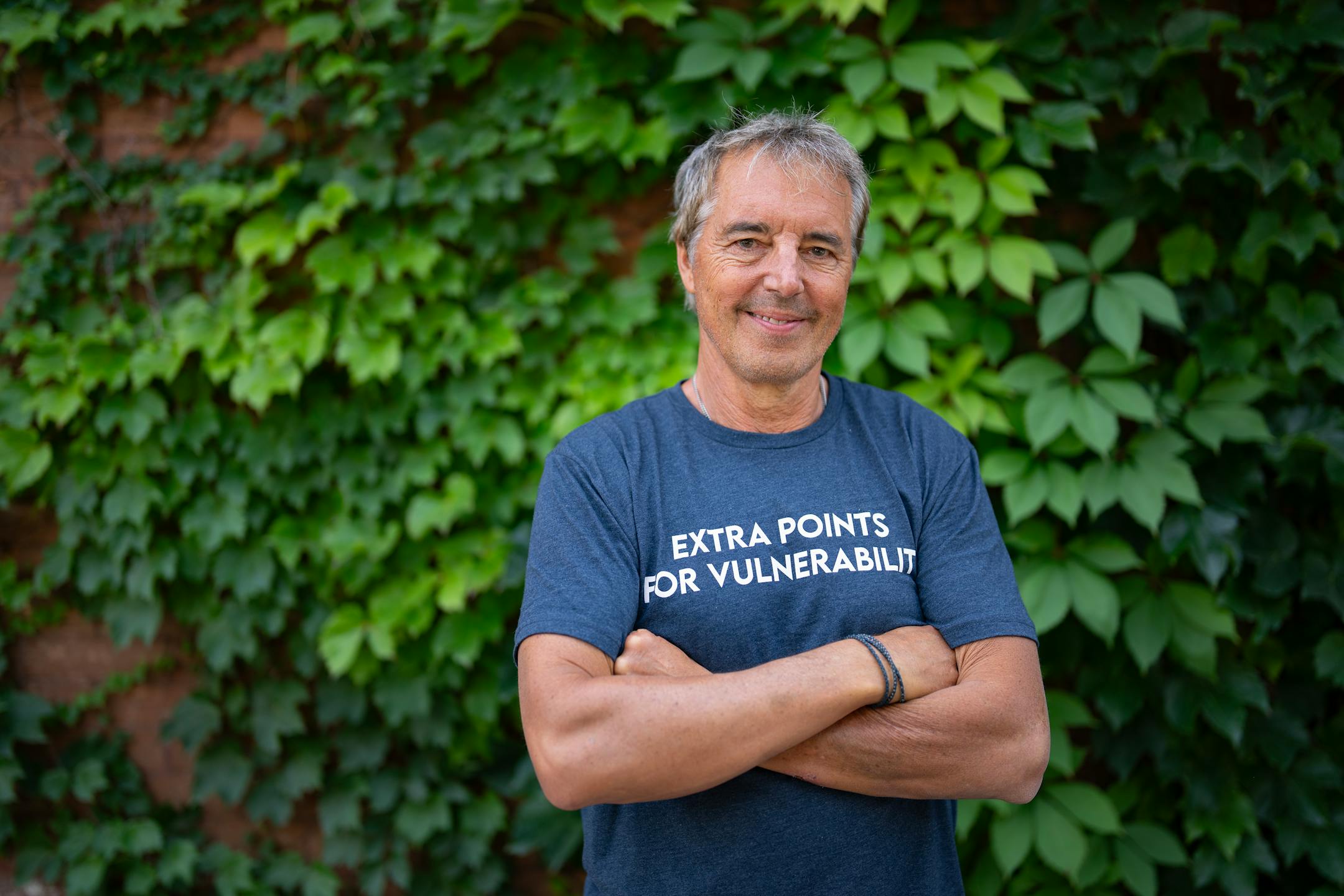
Tao Organic Cafe has been holding court on Hennepin Avenue in Minneapolis for more than a half-century, but it never gets old for Dan Buettner.
“You’re in for a real treat,” he said while ordering two Tao bowls, each rich with beans, rice, ginger-kissed vegetables, sesame seeds and a heaping side of enthusiasm. “This is the consummate Blue Zone bowl.”
Buettner, a Minnesota native, has made a career out of spreading the Blue Zone gospel, a term he coined for areas around the world where a high percentage of the population live exceptionally long lives. The researcher, science writer and bestselling author just released his third cookbook, “The Blue Zones Kitchen: One Pot Meals.” It’s part of his quest to put into action what he’s learned from more than two decades studying Blue Zone communities.
“I fancy myself a science journalist, and I never set out to be a cookbook writer,” Buettner said. Yet of his nine Blue Zone books, the cookbooks sell the best.
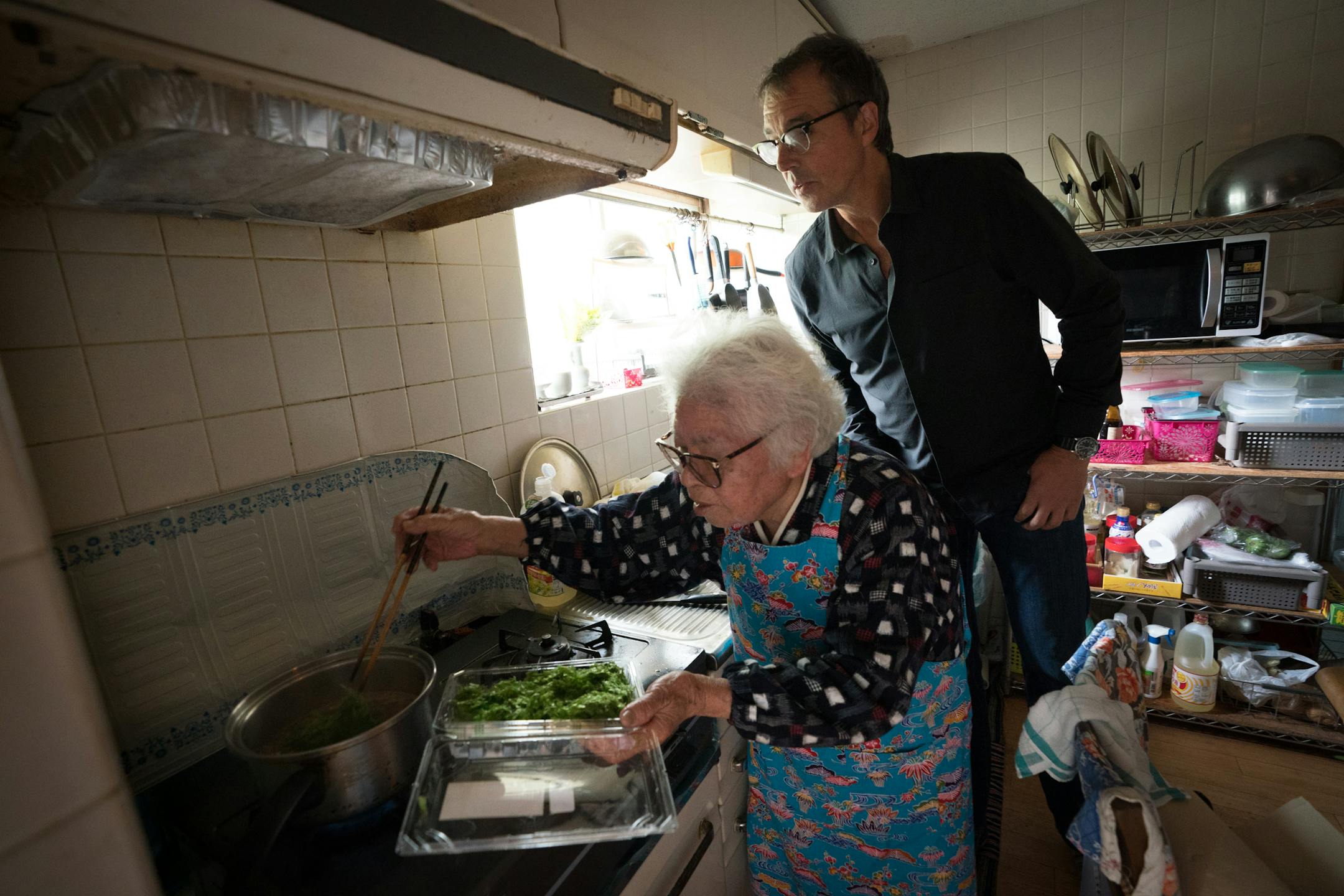
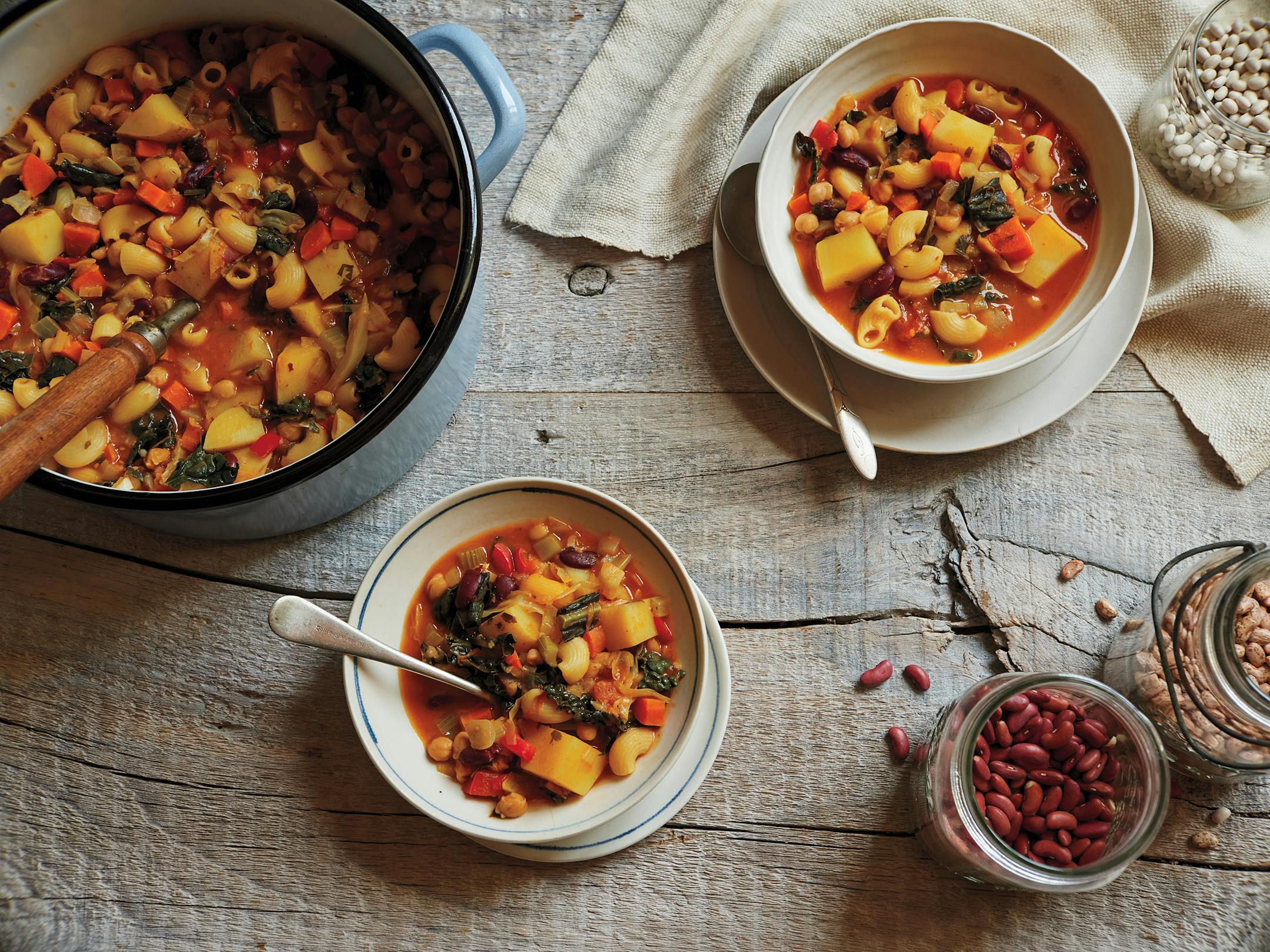
First was “The Blue Zone Kitchens,” followed by “The Blue Zone American Kitchen,” which featured some of the country’s top chefs who happened to cook the Blue Zone way. He wrote his current book with a twist: using artificial intelligence along with science to make eating healthy “irresistible.”
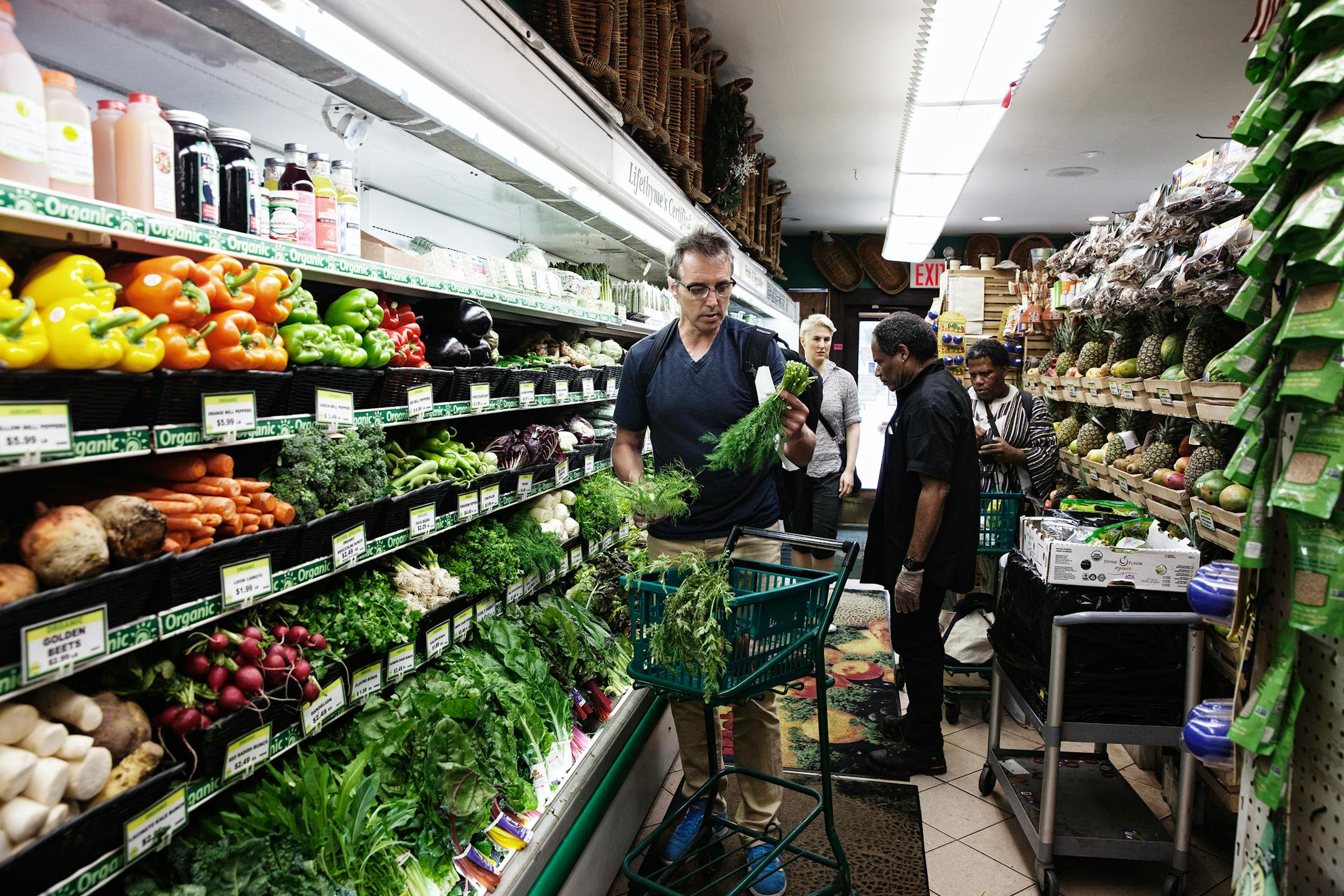
A taste of science
“I’ve made my career in reverse engineering,” Buettner said of his work on studying the world’s longest-living cultures. “So with no judgment at all, I simply wanted to reverse engineer taste.”
He sought help from a friend, Johannes Eichstaedt, who ran an AI lab at Stanford University. They scraped 650,000 recipes from top cooking websites, isolated ones that earned more than 100 five-star reviews and then boiled down the flavor profiles. That information, along with the Blue Zone guidelines, went to a recipe developer.
“A very clear pattern emerged,” he said, which included traditional Italian and Tex-Mex flavors, stir-fries and curries. “And broccoli and mushrooms — that shocked me — and lemon and herbs, which is very Mediterranean.”




![Brandi Carlile performed "You And Me On The Rock" in concert Saturday, July 30, 2022 at Xcel Energy Center in St. Paul, Minn. ]](https://arc.stimg.co/startribunemedia/P4TW2YOFYDOM6HK7YPPI7CCG2U.jpg?&w=436&ar=3:2&fit=crop)

