No one is more American than I am. Our country's history is inscribed on my genes.
Some of my ancestors came here on slave ships. One arrived on the Mayflower. Others fought in the Revolution and the great Civil War.
But because I am 67 — old enough to have personally experienced legally segregated public schools, water fountains and restrooms and white-only public accommodations; old enough to have been shocked into terrified silence by photos of Emmett Till's brutalized body after it was dragged from a muddy river in Mississippi; old enough to have written more stories than I can remember about black men and women who seemed to have lost their lives for no reason other than being black — I have deeply ambivalent feelings about this nation.
W.E.B. Du Bois called those warring emotions "twoness" and "double consciousness." I call them not feeling at home.
There was a time, in the heady wake of Barack Obama's first successful run for the presidency, when I let myself hope that America would finally let that happen. I thought America might finally stop asking the question it has posed to black people since the days of the slave-hunting "paddy rollers": "What are you doing here?" I thought it might finally say we belong.
I was so wrong. "What are you doing here?" is still the question America asks black people like me, all these years after the emancipation, all these years after Brown vs. Board, all these years after the passage of civil-rights laws, whenever one of us shows up in a place that some white person regards as inappropriate. It's the question that underlies so much of the opposition to Obama's presidency — not merely his policies, but the man himself — and the vile comments about his wife and their children.
It's the question that manifested itself when a white cop arrested Henry Louis Gates Jr., the editor-in-chief of The Root, for being black in his own house in Cambridge, Mass. It's the question implicit in New York City Mayor Michael Bloomberg's recent plaint that his city's notorious stop-and-frisk policy disproportionately targets too many white people and not enough blacks and Latinos.
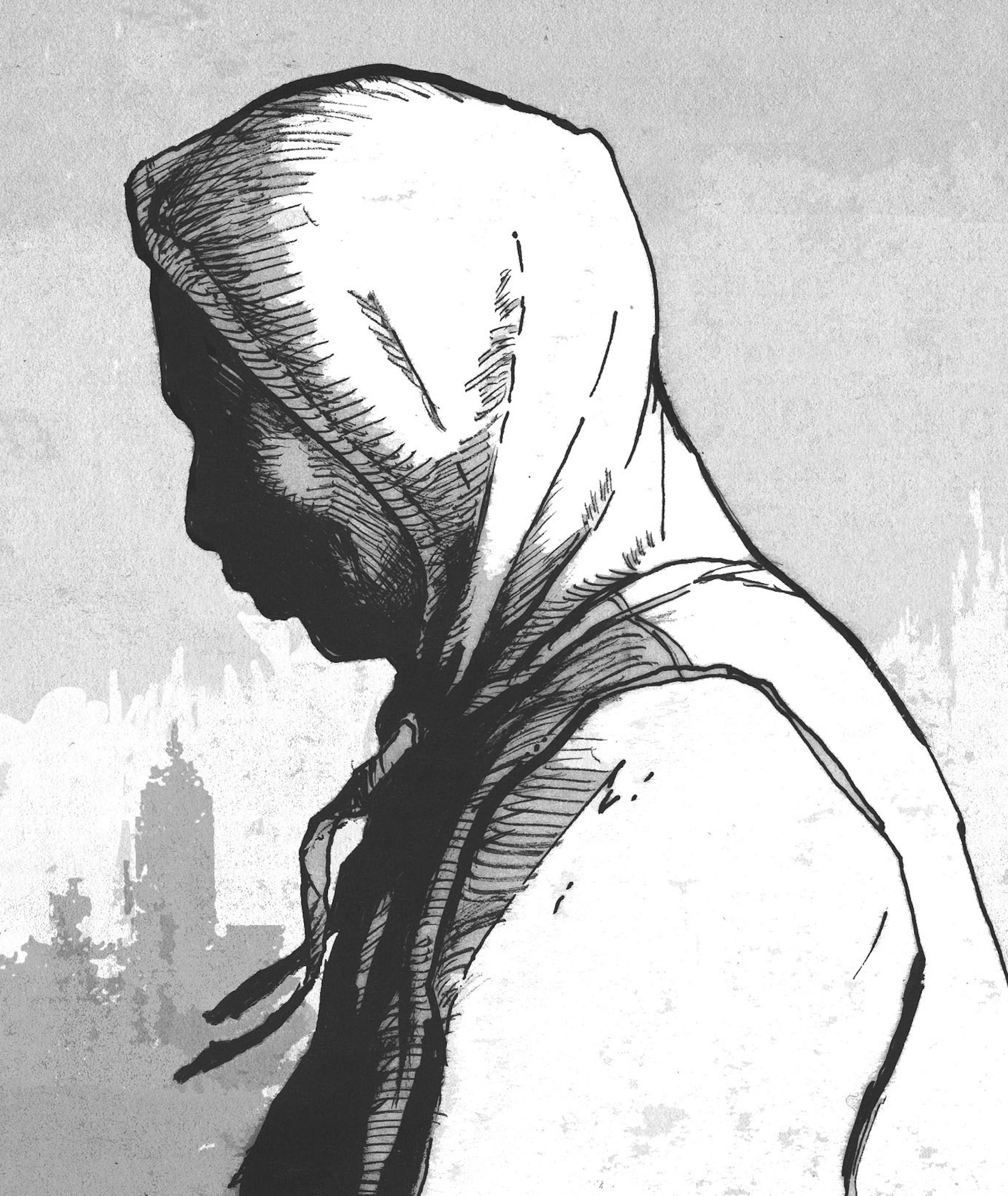
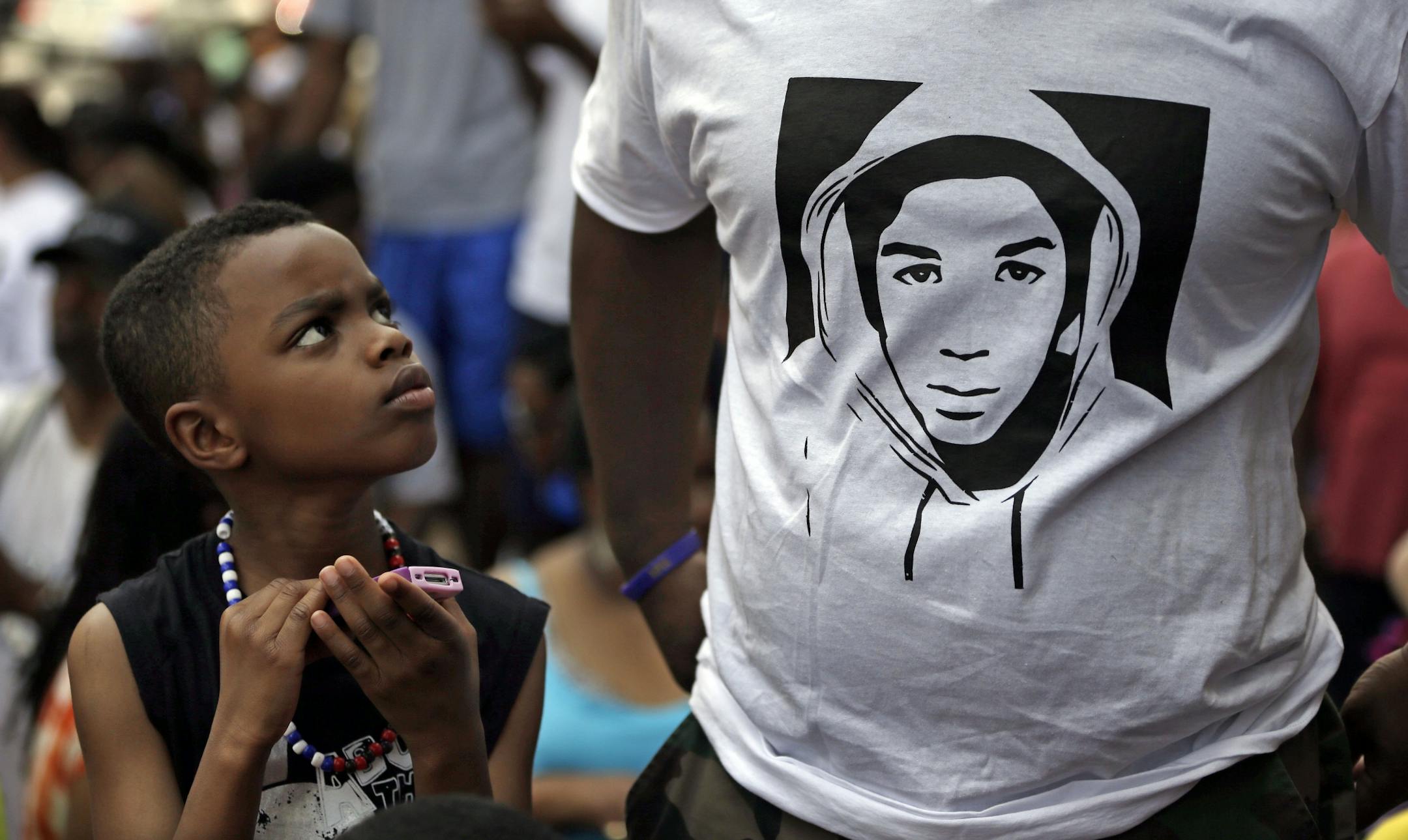
"What are you doing here" was the question with which a gun-toting vigilante named George Zimmerman justified his surveillance of a 17-year-old boy in a hooded sweatshirt whose only crime was arousing Zimmerman's suspicions. Strip away all the nuances of Florida's deeply flawed self-defense laws and the forever-unknowable details about the confrontation that developed that night, and it comes down to this: A self-appointed security man with no more legal authority to stop and question a fellow citizen than the man in the moon felt powerful enough to put that question to Trayvon Martin. Whether Zimmerman knew it or not, he had 350 years of history backing him up,