

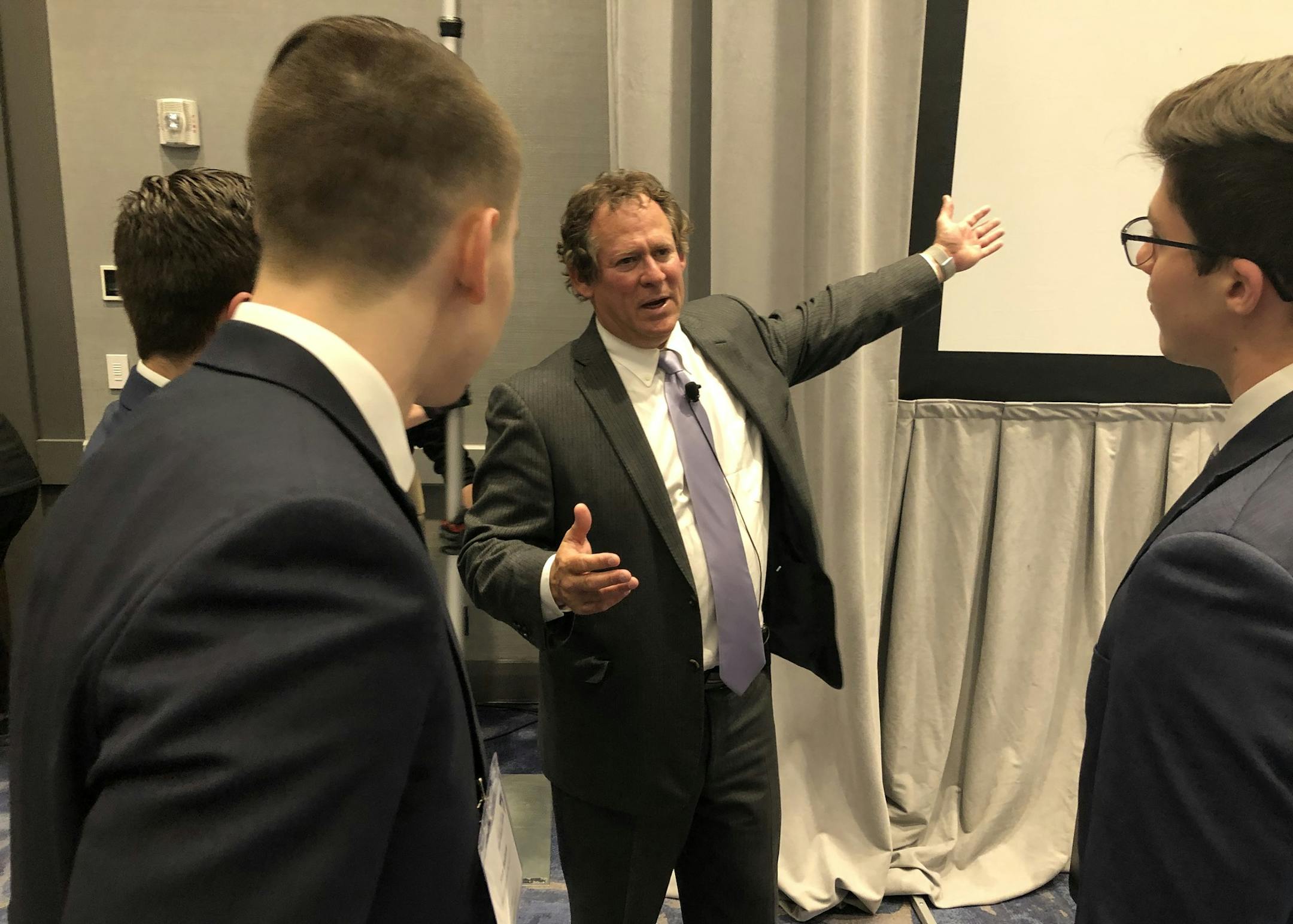
Executives at the nation's largest asset-management firm hold a more cautious outlook for 2020 after 2019 turned out to be a rare year when bonds provided big returns at the same time stocks did, one of its leaders said while on a visit to Minnesota.
The liquidity that resulted when central banks, including the Federal Reserve, lowered rates created an "extraordinary return paradigm" last year, Rick Rieder, chief investment officer for fixed income at BlackRock Inc., said in a speech last week to the CFA Society of Minnesota, a group of hundreds of financial analysts.
"There's no way we can repeat that this year," he said.
Investors have been on a roller coaster for the past two years. Nothing went right in 2018, when stocks fell 7% and U.S. Treasuries 2%, and then everything went right last year. Stocks rose around 25%, corporate bonds were up in the midteens and U.S. Treasuries, which tend to fall when stocks rise, instead returned 14.9%.
The difference, Rieder said, came when the Fed ended a four-year period of slowly tightening monetary policy. Fed policymakers cut interest rates three times in 2019 and in October began to buy short-term Treasuries again for the first time since 2014.
The central bank from 2014 to 2019 shed bonds and shrank its balance sheet, which it built to record levels to provide stimulus in the aftermath of the 2008 credit crisis and recession.
Other central banks, including those in Europe and Japan, also opened the spigots on liquidity last year. And now, with the coronavirus slowing China's economy, the central bank in Beijing is also infusing money into that economy.
Rieder said interest rates are likely to remain low for years to come. A member of an industry advisory panel to the Federal Reserve Bank of New York, Rieder said rates are being held down by more forces than the desire of central banks to keep economies healthy.


